
Figure maker
Frank Marshall
born Frank Marzalkiewicz · 1900 – 1969
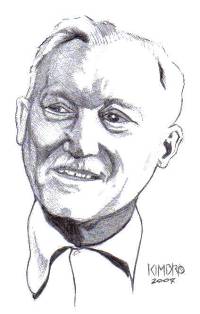
The most important figure maker of the twentieth century in America, and the one every later maker is measured against. He came into the trade at thirteen as a polio convalescent given a job to rehabilitate his hands.

Every family has that one relative everybody's stories run through. In our family, that relative is Frank Marshall. And if you love this art, you're family. That's how this works around here. If you've ever laughed at Jerry Mahoney, Danny O'Day, or Farfel the dog, you've laughed at Frank's handiwork, whether you knew it or not. The performers got the applause. Frank got the sawdust. He never seemed to mind the arrangement, and folks, that quiet trade-off built the golden age of our art.[1] So pull up a chair. Let me tell you about Frank.
A kid, a woodshop, and a lucky door
He wasn't born Frank Marshall. He was born Frank Marzalkiewicz, in Poland, on March 9, 1900.[2] Around 1913, a Chicago teenager of thirteen, maybe fourteen, he walked through the door of Theodore Mack & Son, ornamental wood carvers.[1] The Macks carved furniture. Fancy stuff. But they had a sideline making ventriloquist figures, and as young Frank's apprenticeship went on, the Macks handed nearly all the puppet work to the kid while they kept the ornamental jobs for themselves.[2]
Think about that. The side hustle nobody wanted became the apprentice's whole world. And that apprentice became, by the count of surviving figures alone, the most prolific American figure maker of his era. There's a lesson in there about the work everyone else overlooks. But I promised you a story, not a sermon.
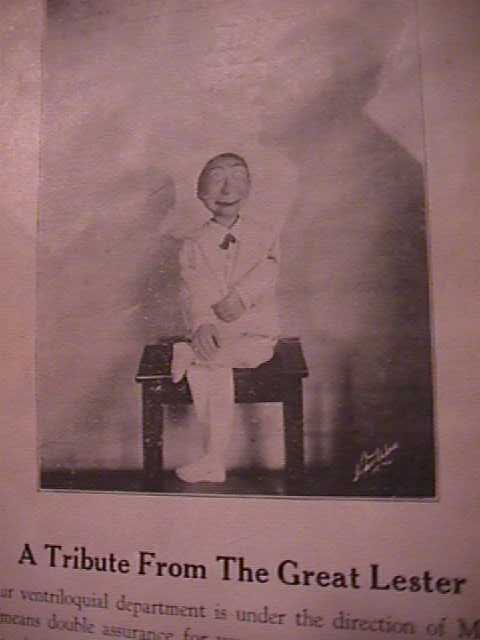
Here's a fact that wins bar bets: Charlie McCarthy, Edgar Bergen's wisecracking partner, wasn't born in Hollywood. He was born in that Chicago shop, carved at the Mack shop in 1922 for a teenage Bergen.[1] Frank was right there, Mack's man on the puppet bench, when the most famous block of wood in show business got its face. And here's my own little connection to the story: Frank later made duplicarver copies of Frank Byron Jr., the Great Lester's famous figure, and I own one.[3] Trust me when I tell you the man's copies are better than most makers' originals.
The shop on Clark Street
By 1931 Frank had his own catalog, and it is a beautiful thing. A complete figure, carved, mechanized, dressed, and ready for the stage, averaged $38.[4] The price list ran from $22.50 to $50 depending on the face.[5] He sold heads and hands separately on page 12. He even ran a full marionette line, importing the heads from Germany.[6]
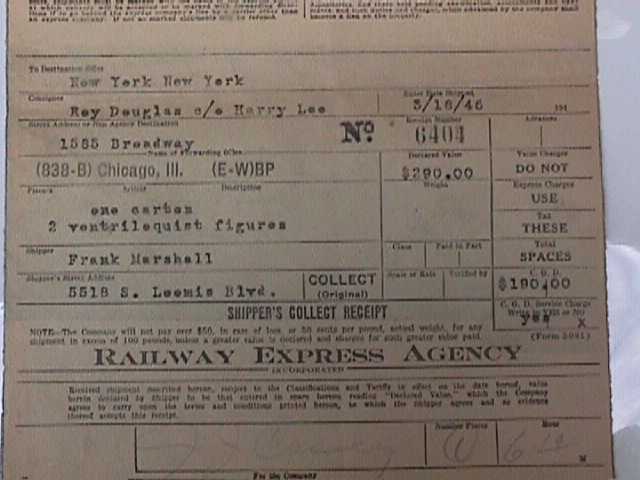
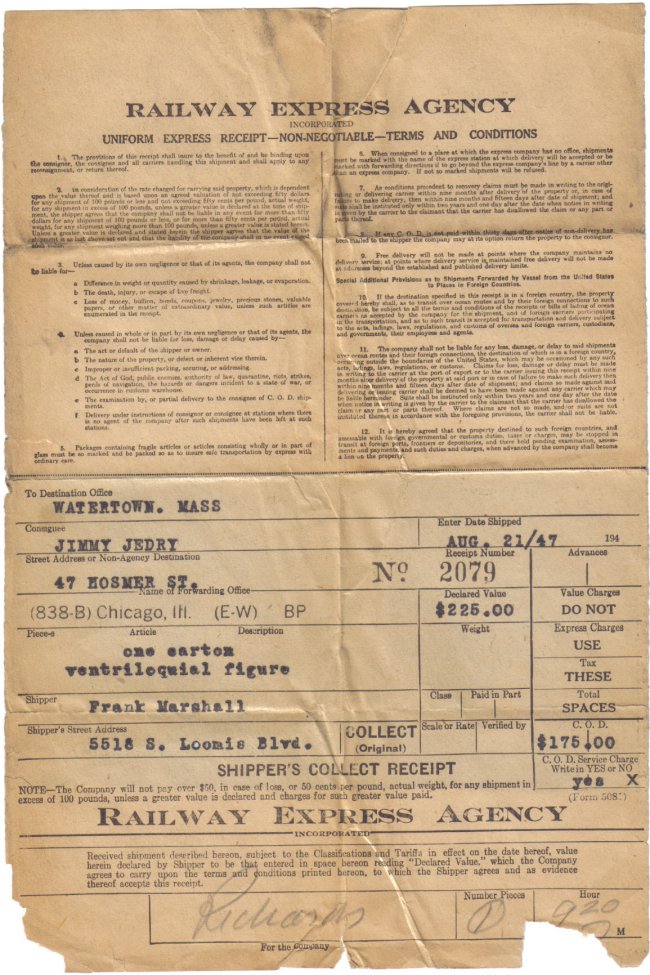
Then 1937 happened. Bergen and Charlie hit radio, the whole country went ventriloquist-crazy, and a reporter from the Washington Evening Star walked into Frank's Chicago workshop to see where the magic came from.[7] The next August, Popular Mechanics gave him a two-page pictorial spread of his own.[23] Business boomed with the art. By 1947 a top Marshall figure ran $225. We know because his actual Railway Express shipping invoice survives, made out to a customer named Jimmy Jedry, C.O.D. balance $175 on delivery.[8] From 1950 to 1954 the shop sat at 192 N. Clark Street, and the Chicago vent club met right upstairs. Frank came to the meetings.[9] Picture that for a second: the man who built half the figures in the room, sitting among the people who performed with them. Not a supplier and his customers. A family, gathered over the shop. That's who we are at our best. Frank carried card number 337 in the International Brotherhood of Ventriloquists, turned up backstage with the IBV's founder W.S. Berger at holiday shows, and in 1956 spent thirteen weeks on Chicago's Channel 11 carving on live television.[24] The man could not stay away from the work, and the work could not stay out of the spotlight.
And his 1953 advertisement? A named client list of twenty-two ventriloquists: Edgar Bergen, Jimmy Nelson, Paul Winchell, Clifford Guest, on and on.[10] The ad also claimed the business went back to 1880, which tells you Frank inherited more than a craft from the Macks. He inherited the lineage, and he wasn't shy about advertising it. The brand was older than the man. I respect that.
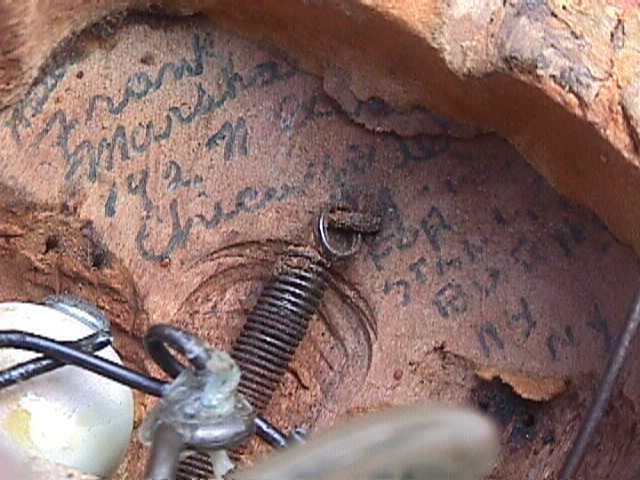
The Marshall touch
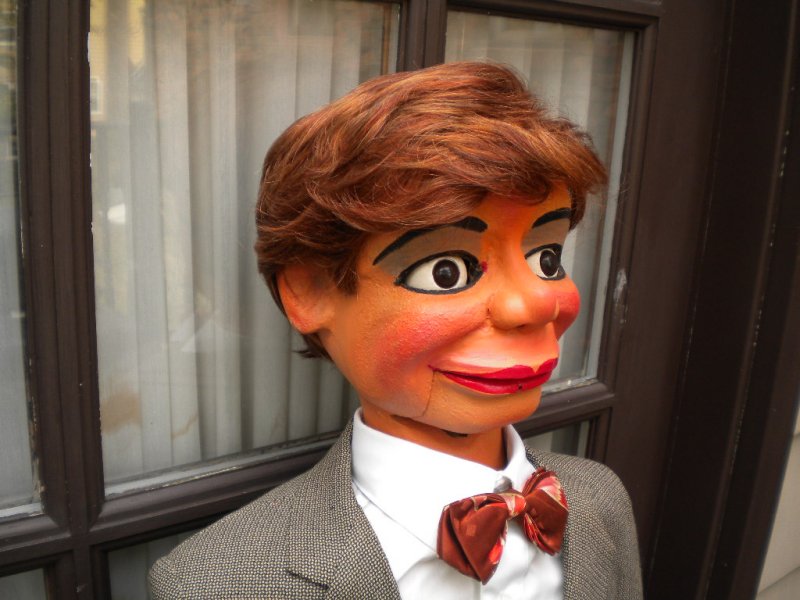
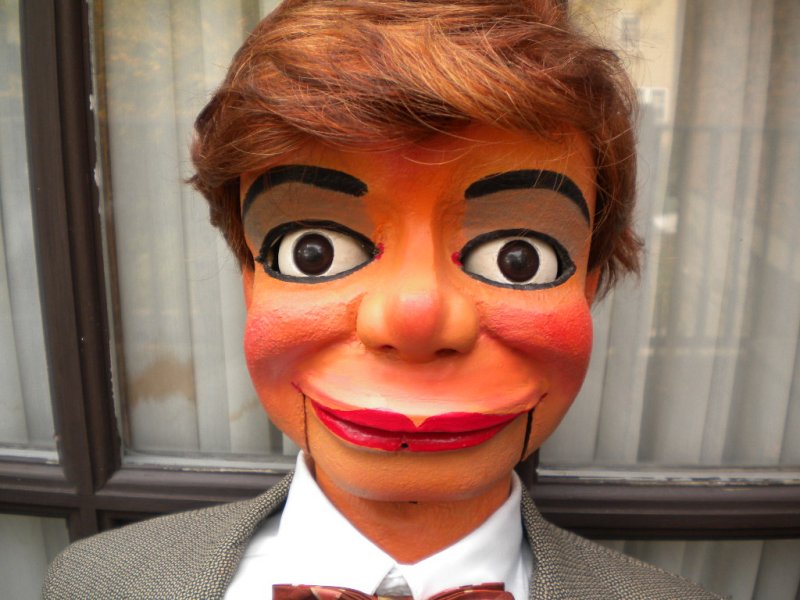
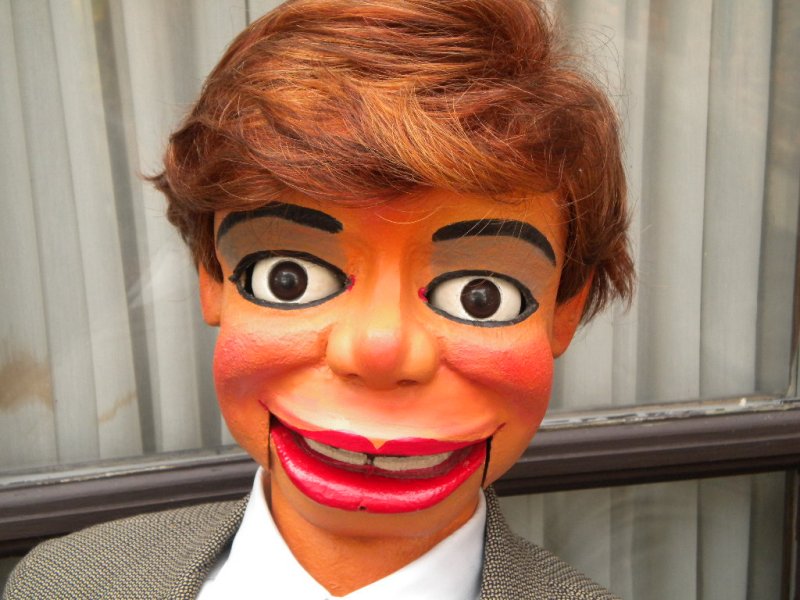
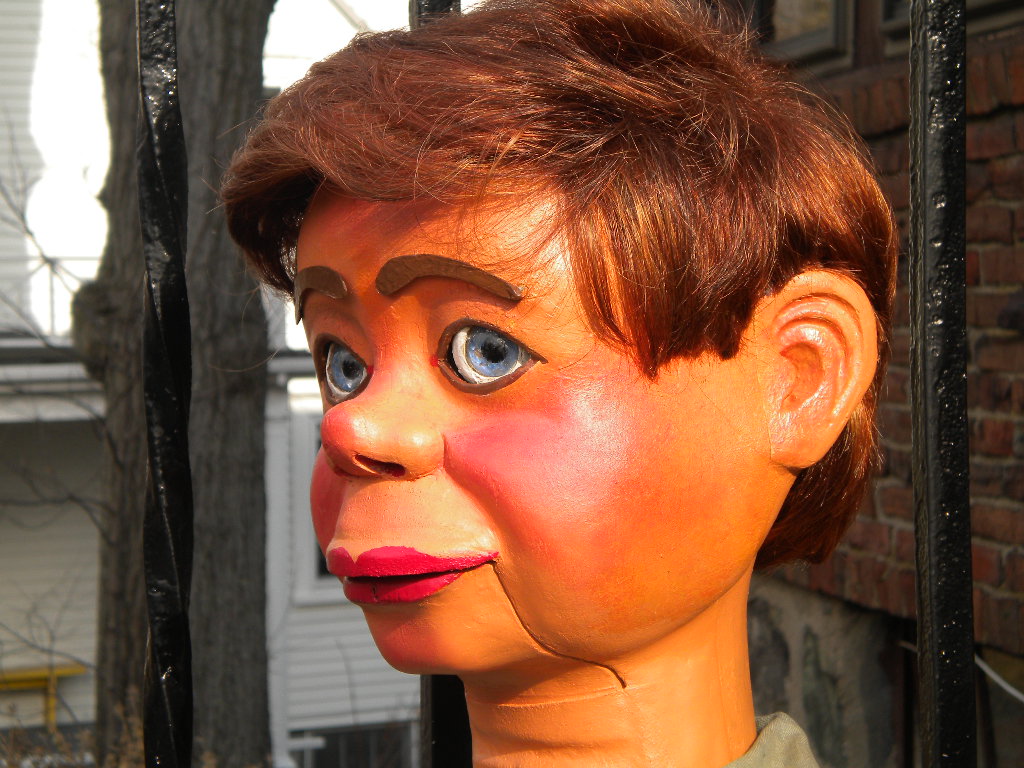
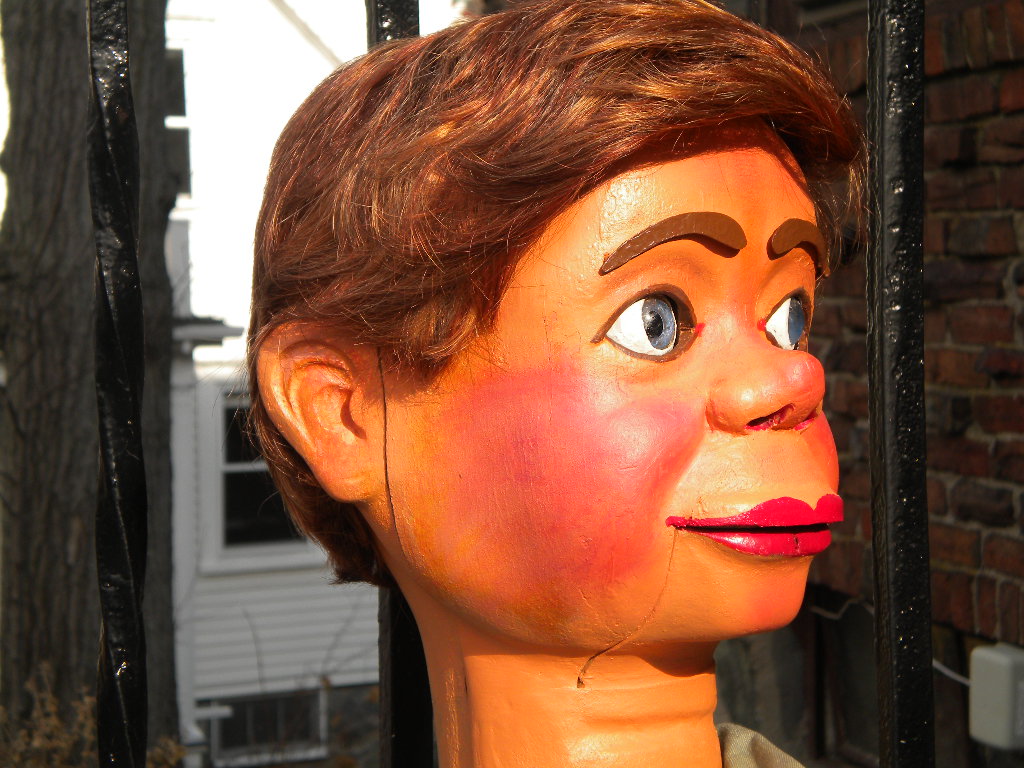
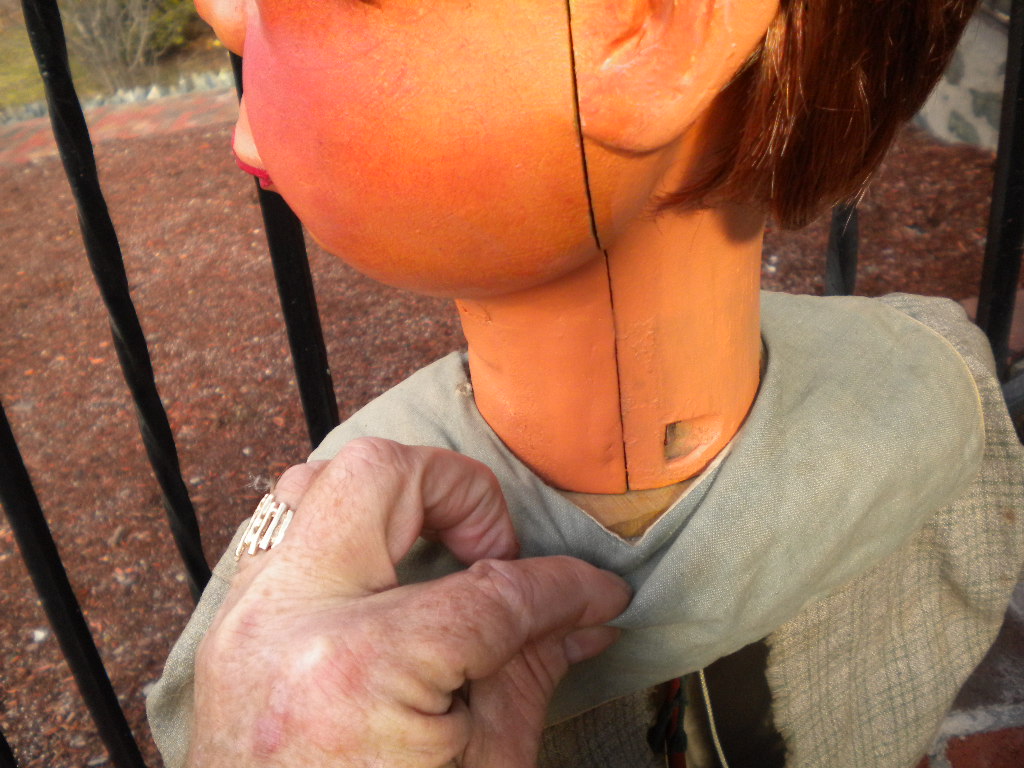
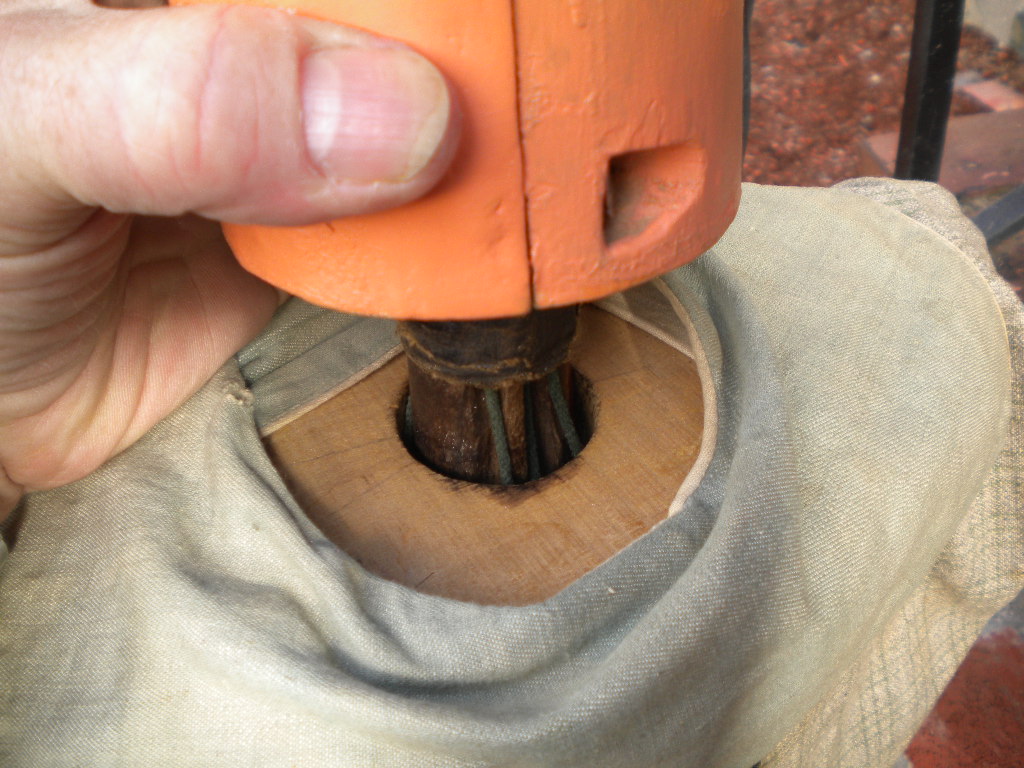
Here's where it gets fun, because the man left fingerprints everywhere. Literally inside the heads.
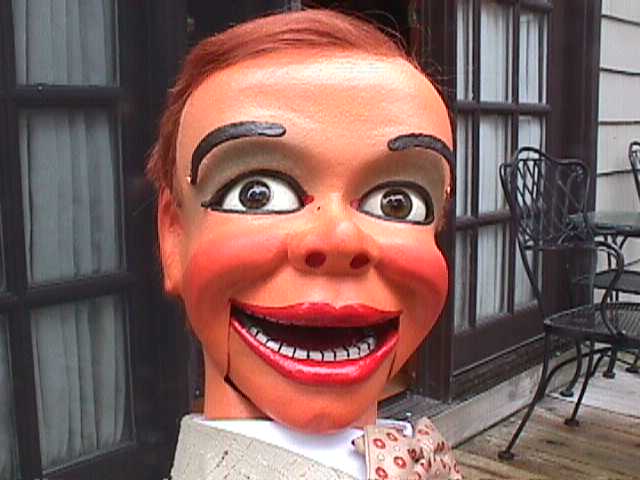
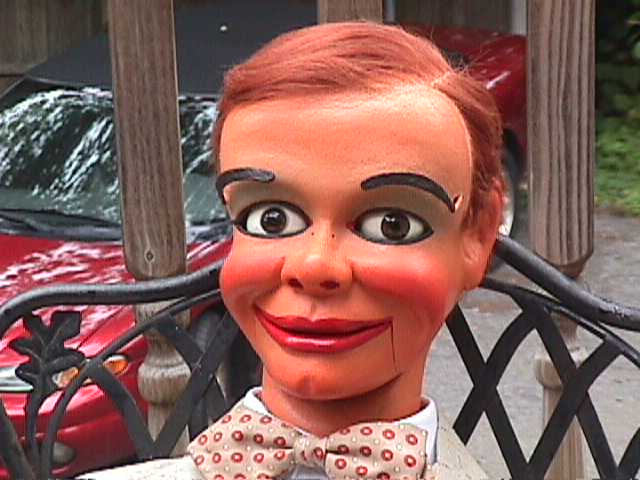
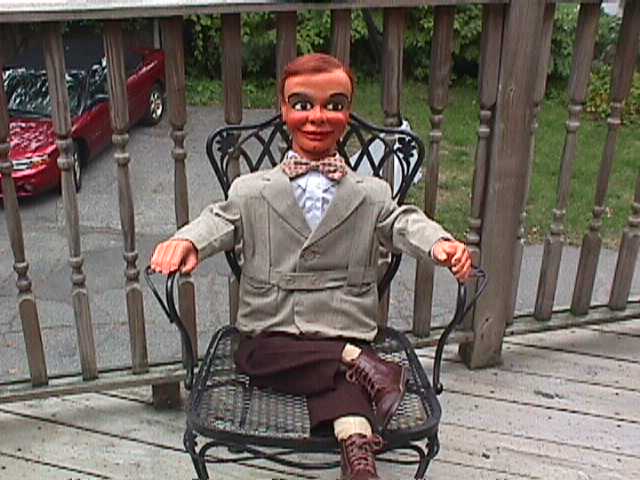
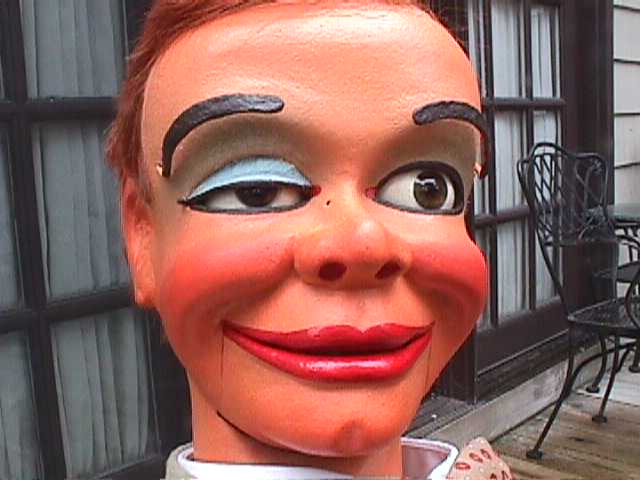
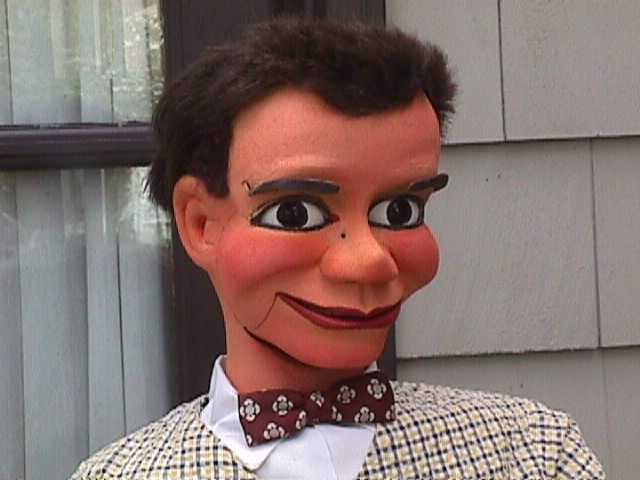
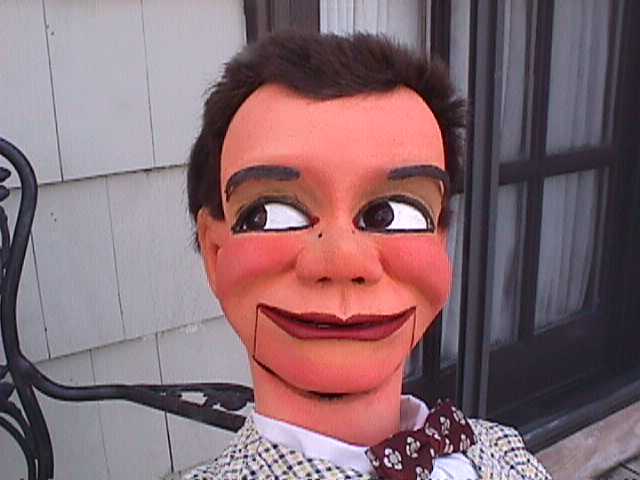
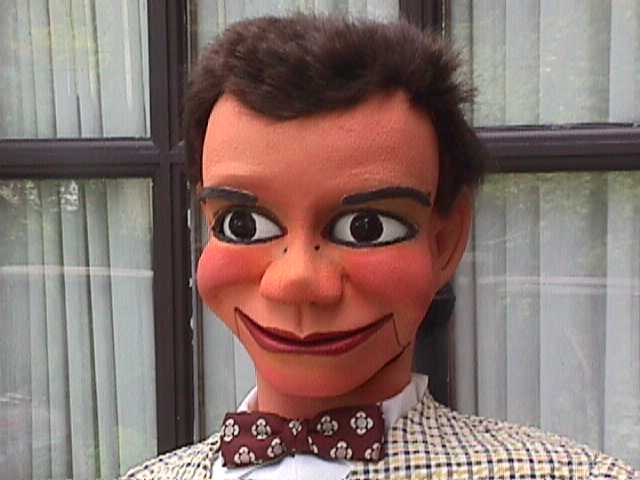
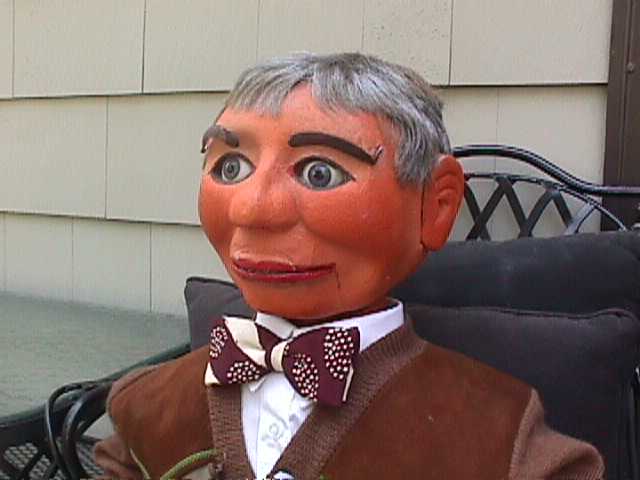
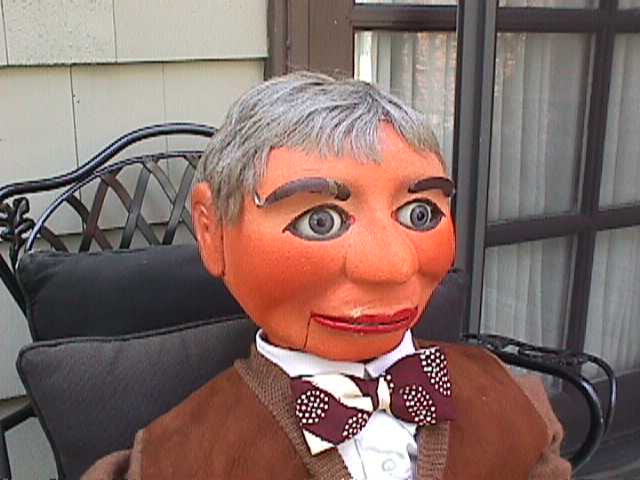
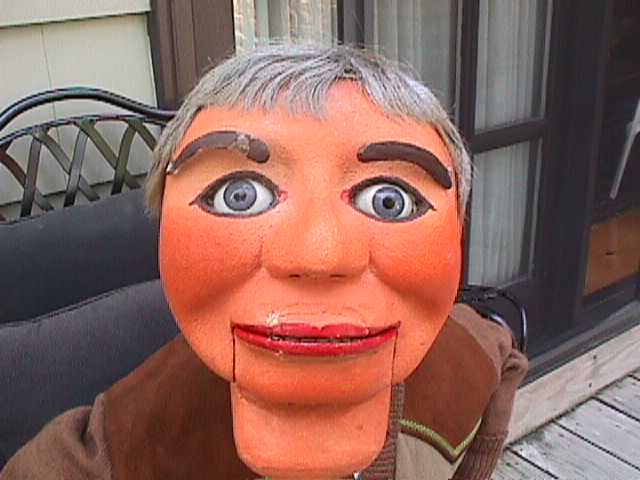
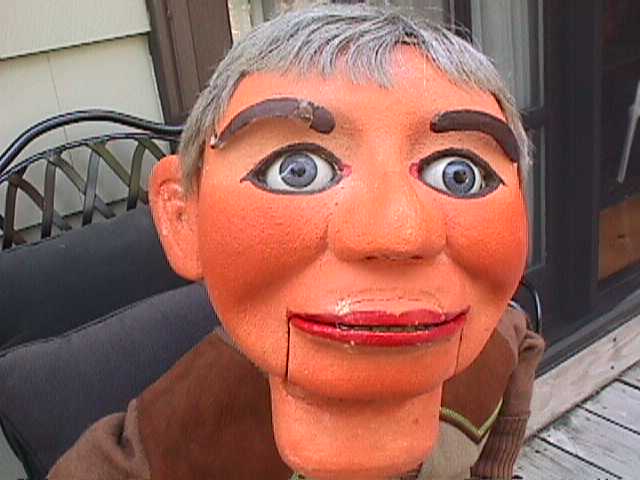
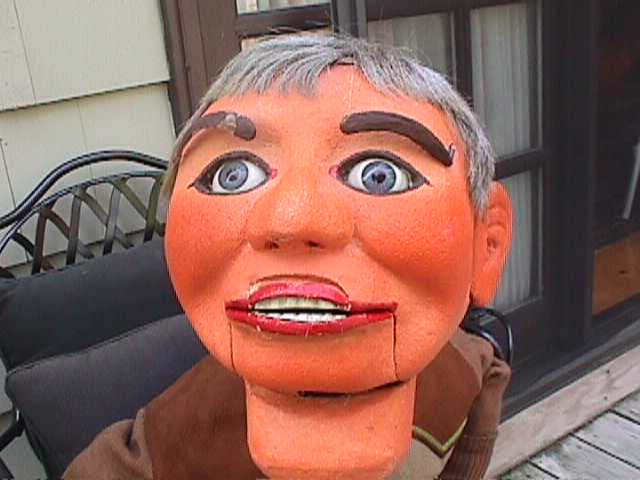
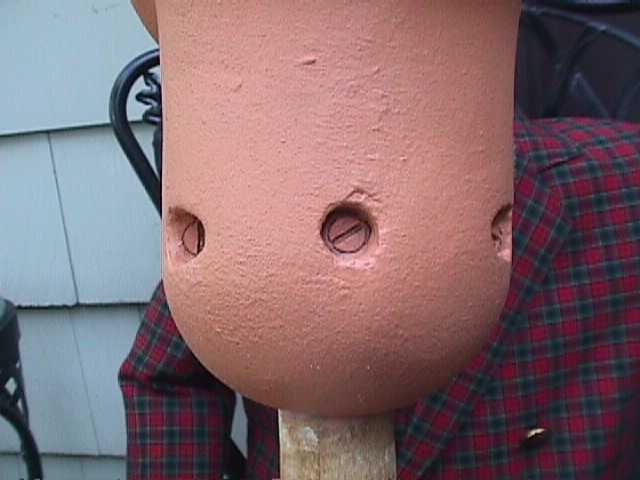
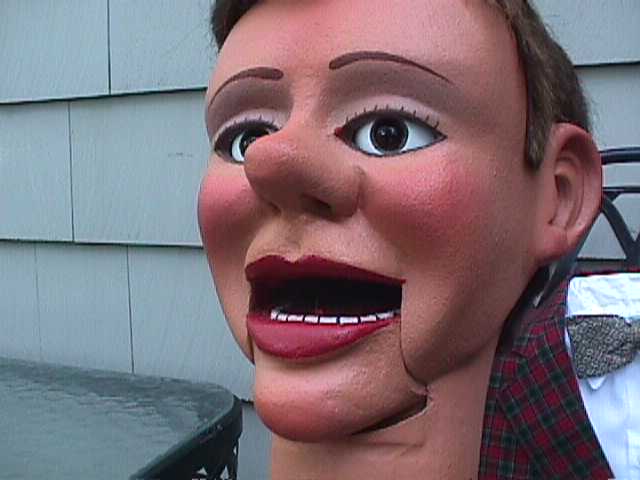
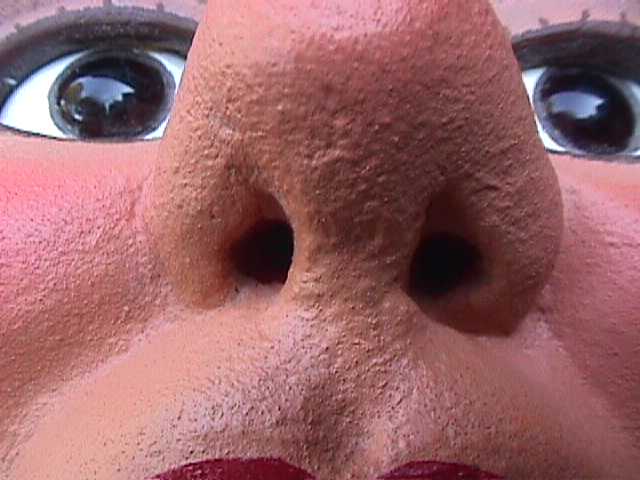
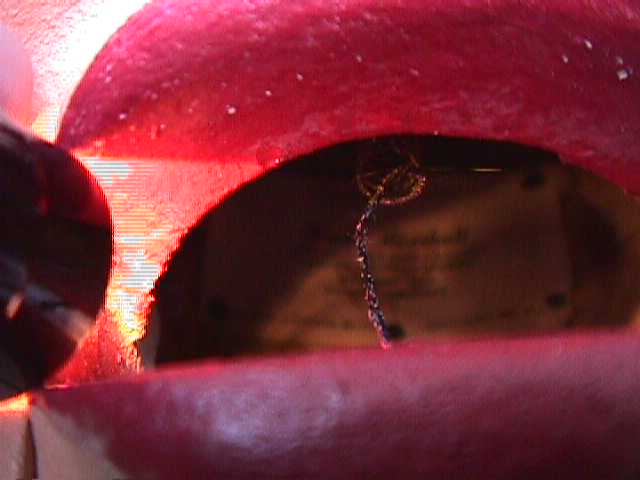
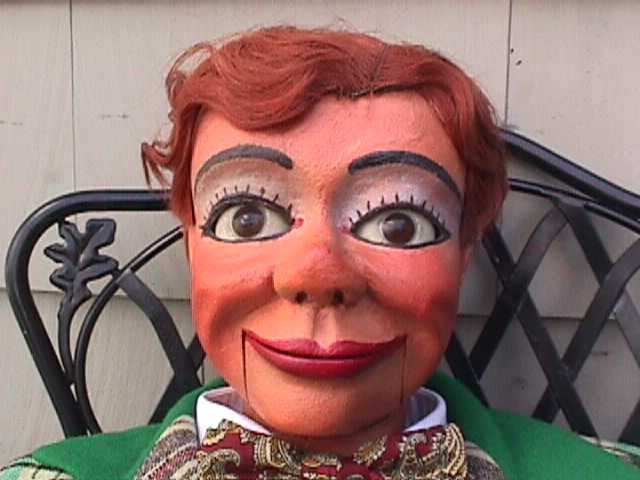
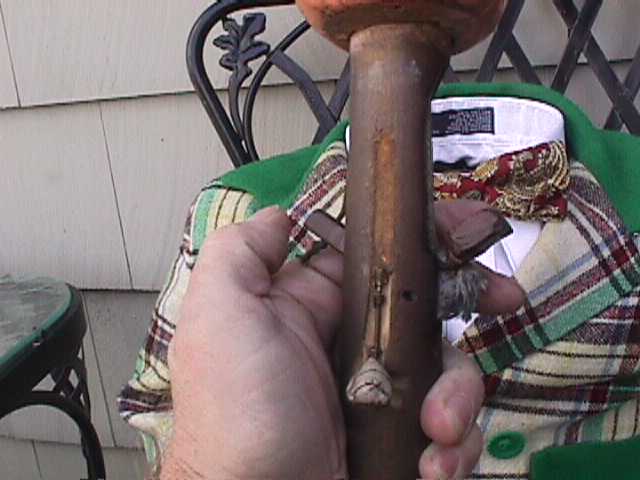
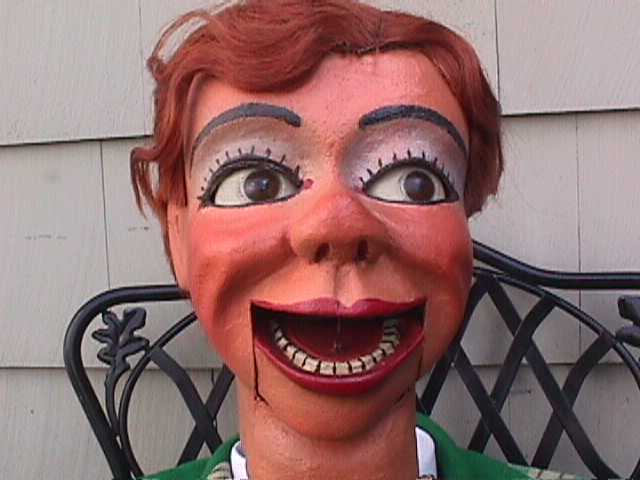
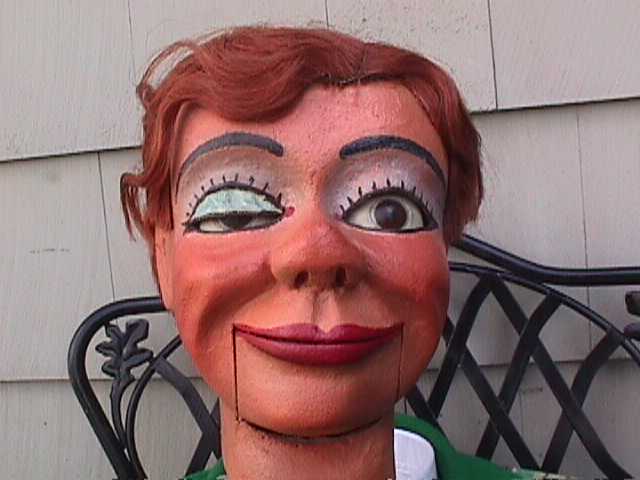
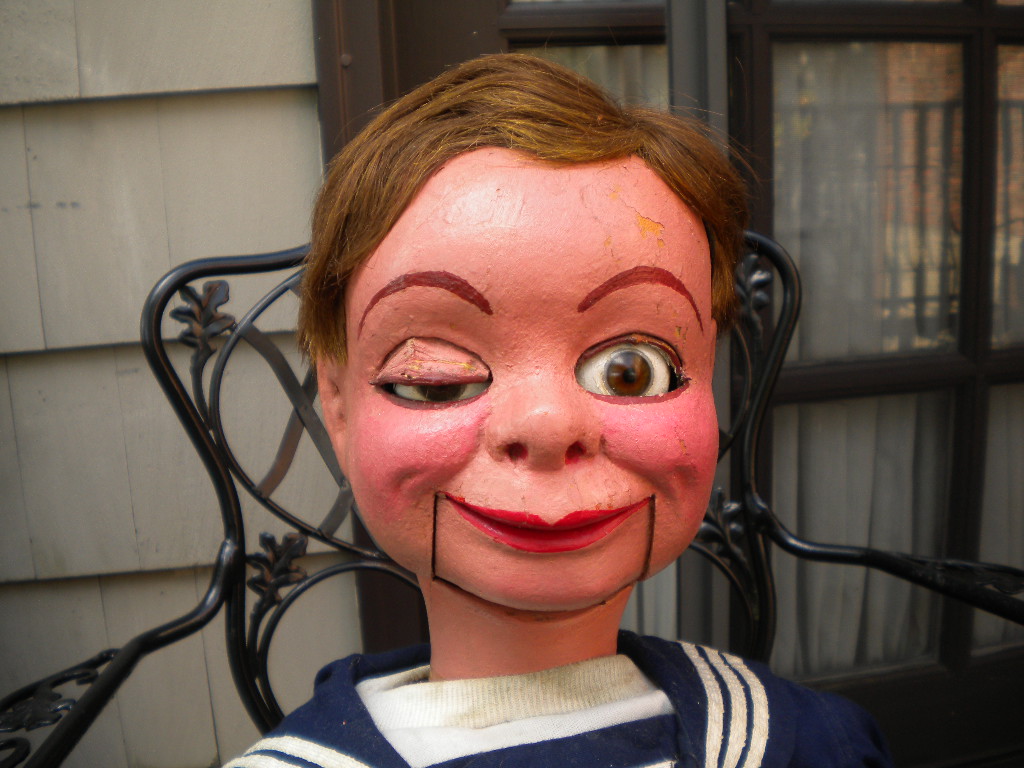
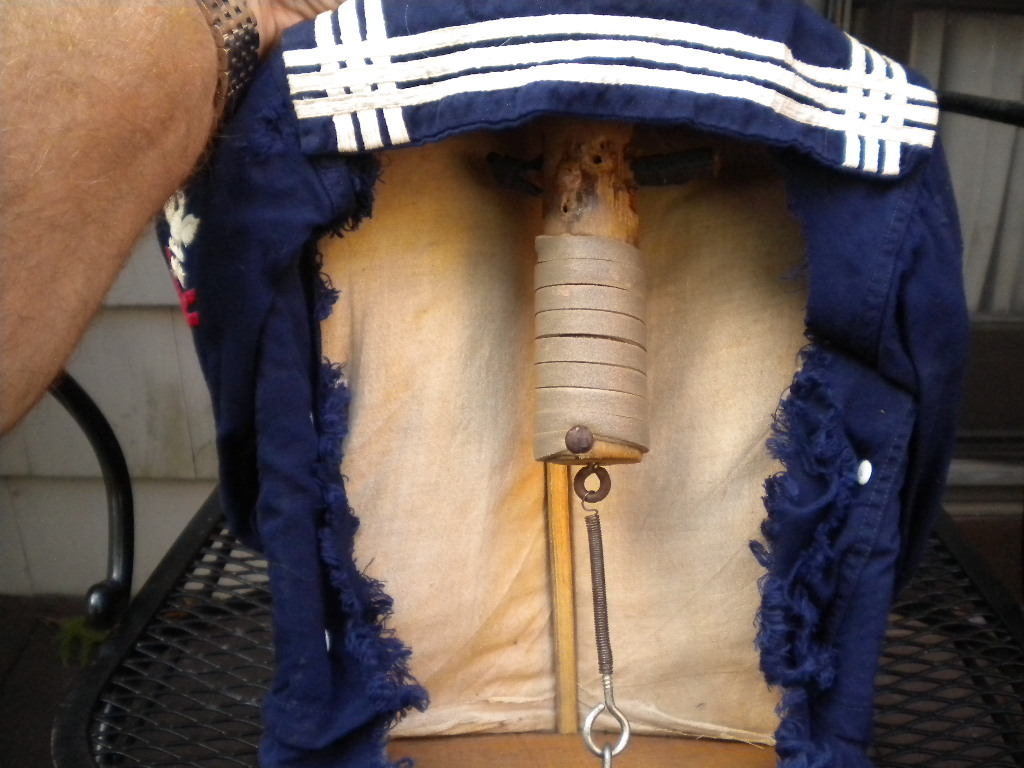
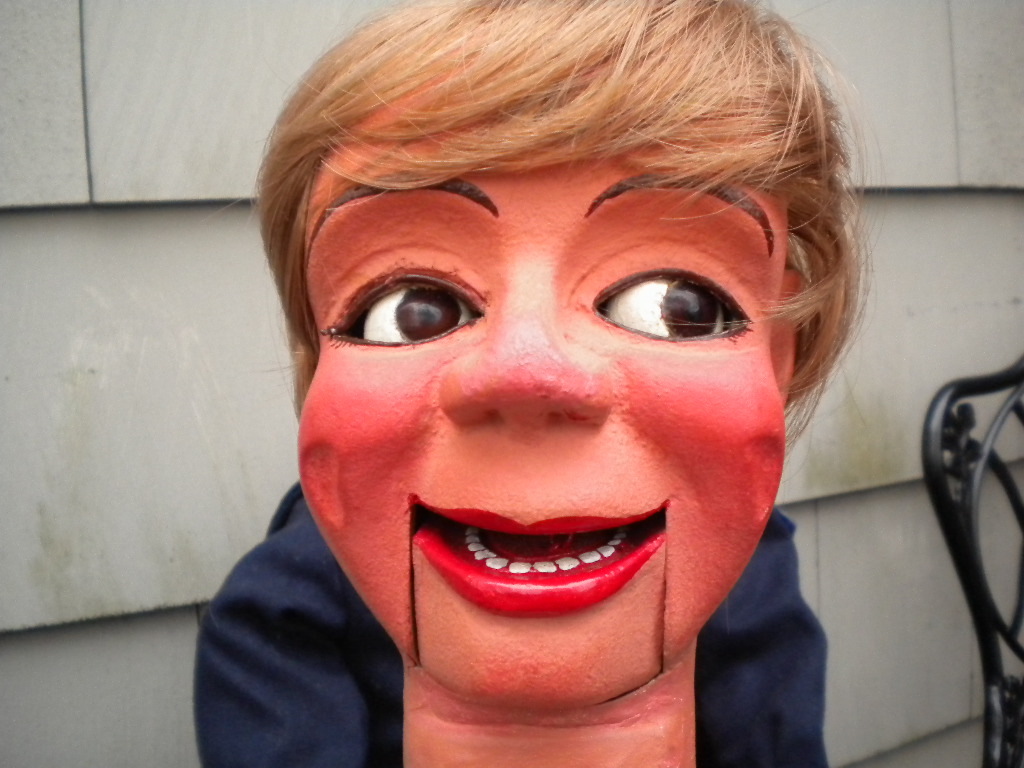
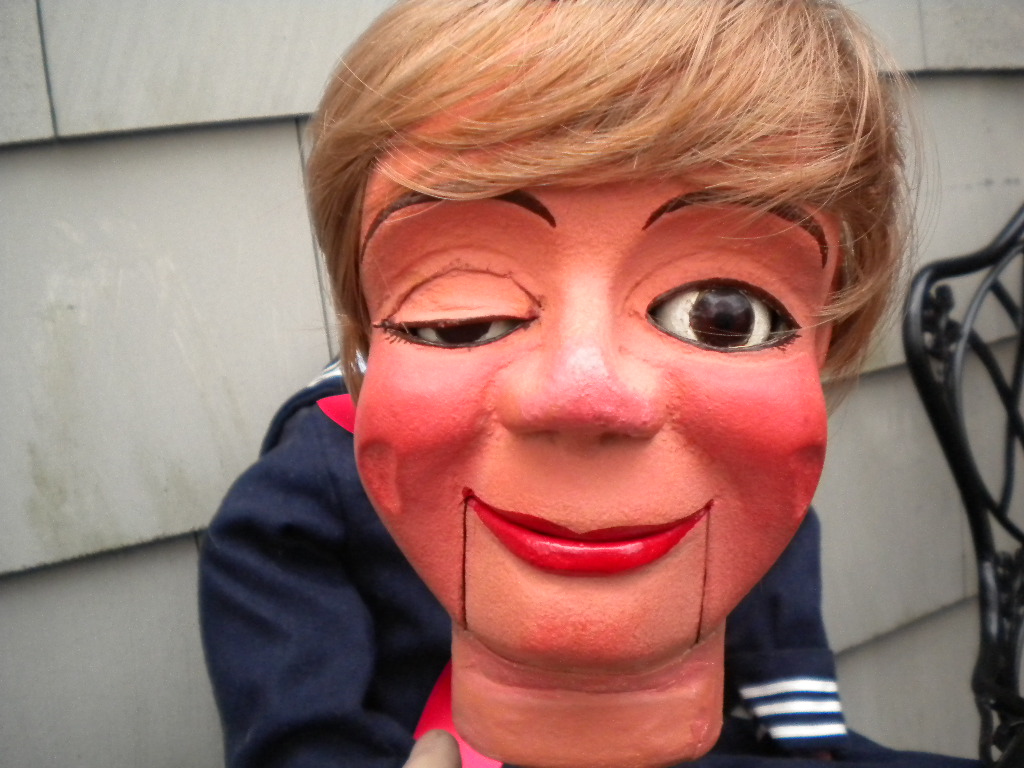
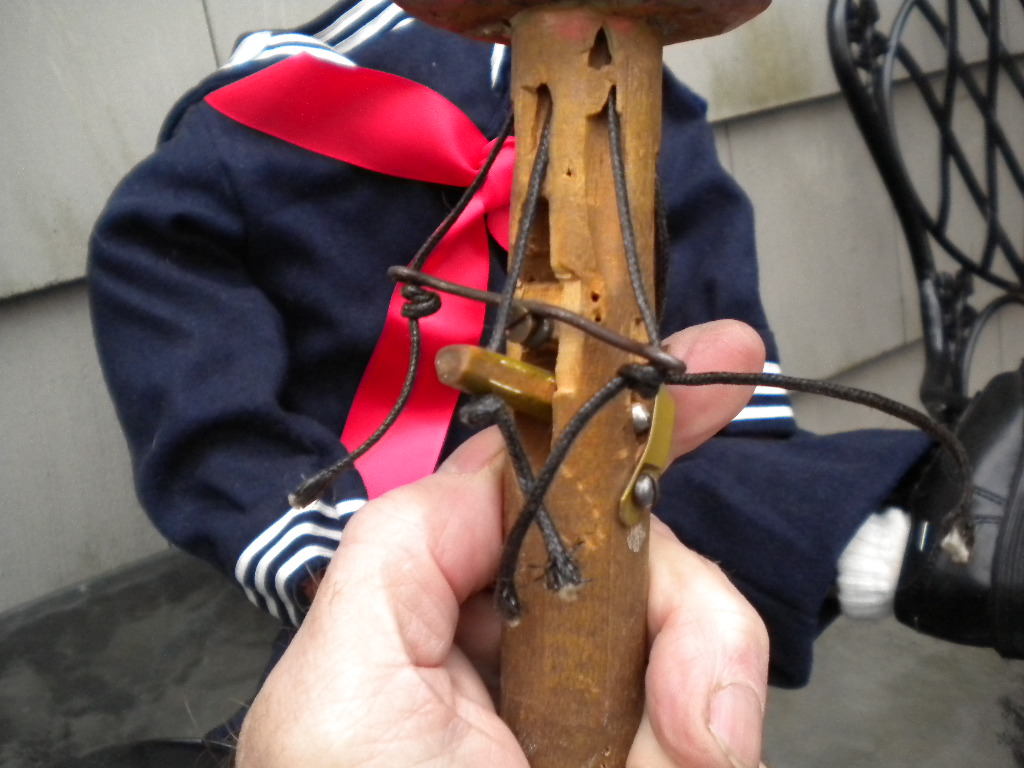
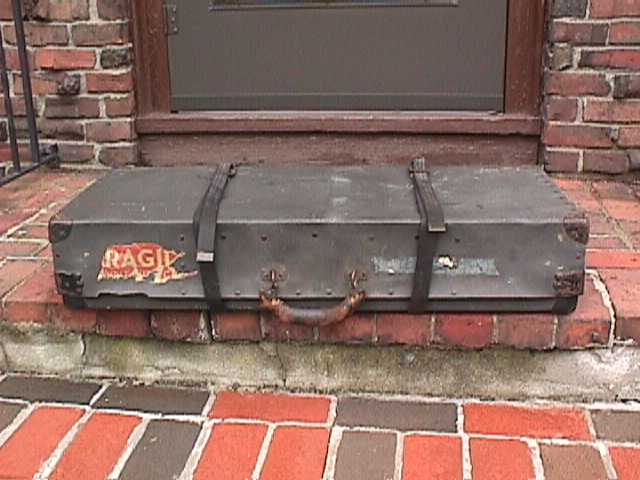
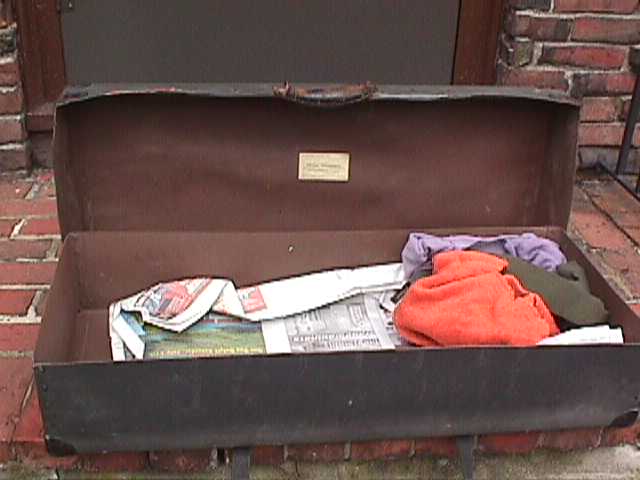
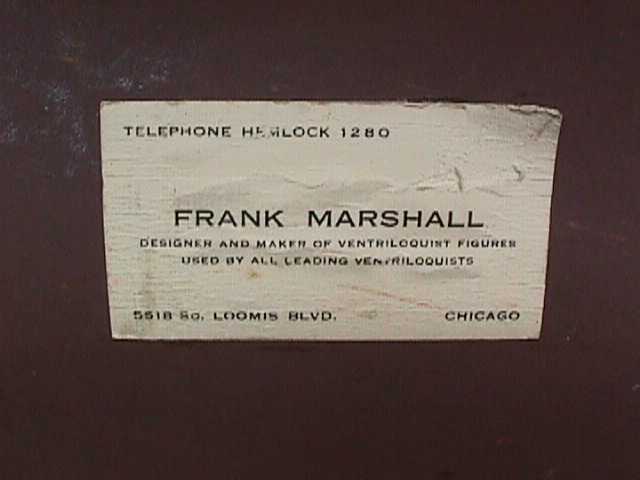
Frank packed the gap of his slot-jaw mouths with his own business cards, glued in layer by layer until the fit was perfect.[11] Open a genuine Marshall (which you shouldn't, the original paint is sacred[12]) and you'll find the man's own name in there, holding the mouth true. He signed figures on the back of the mouth palate, sometimes with the customer's name and city.[13] He painted in matt finish, almost never gloss, because he went to the shows when vents played Chicago and studied how faces read under stage light.[14] Collectors still mix a color they call "the Marshall orange" for his cheeks and noses.[15] His wigs? Manufactured children's wigs, tacked on. A shortcut, sure, and it worked for forty years.[16] He offered every movement with your choice of lever or pull ring, though the rings ran maybe one in ten.[17]
And because every family is honest about its own, I'll tell you what the old-timers say. Frank liked a drink, and the collectors who've handled forty of his figures will tell you straight: when he carved sober he was a master, and you can spot the other days.[18] I don't hold it against him one bit. The man spent fifty years alone at a bench making other people famous. Around here, we love our people whole. Rough edges included.
In the workshop
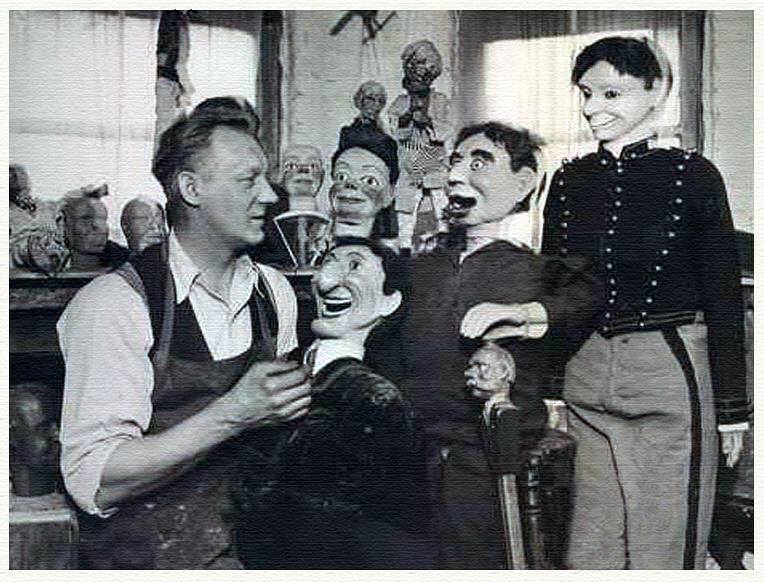
Somebody had the good sense to photograph Frank at work, start to finish. Watch the sequence. This is a figure being born.


The faces you know
Here's my favorite Frank fact of all. He carved the first Jerry Mahoney in 1938 for Paul Winchell, a sixteen-year-old kid from Brooklyn. He carved Danny O'Day in 1946 for Jimmy Nelson, a sixteen-year-old kid from Chicago.[25] Two teenagers walked into his shop, and Frank handed each of them a partner for life. Both became television superstars. And Frank had a secret method: he studied the vent's own face and carved qualities of the performer into the figure.[25] The dummy didn't just belong to you. It was a little bit of you.
The faces themselves started in his 1931 catalog, where a stock head named Nosey waited for the world to notice.[19] Millions of kids grew up with a Marshall face on their TV and never knew it. And the family held on to these things: at the 1998 Vegas convention, during a tribute to Jimmy Nelson's life, one of Jimmy's grandchildren walked on stage holding a small Danny O'Day that Frank carved himself. It cost $125 back in the day. The family still has it.[26]

Nosey → Jerry Mahoney
The catalog face that became Paul Winchell's famous partner. This one, made for vaudeville's Canfield Smith, has the date written inside the head. Few designs in American figure making ever traveled further.

Danny O'Day & Farfel
Jimmy Nelson's partners. Farfel sang the Nestlé's jingle into television history, and both came off Frank's bench.

Red Flannels
Terry Bennett's sidekick on Chicago kids' television. A Marshall face working five mornings a week.

A Marshall at auction
Frank's figures still cross the block today, and collectors fight over them. This one came through Potter & Potter in Chicago, right back in Frank's hometown.
The circle
No maker works alone. Here's Frank's world: the teachers, the stars, and the keepers of the flame.
The last figure on the bench
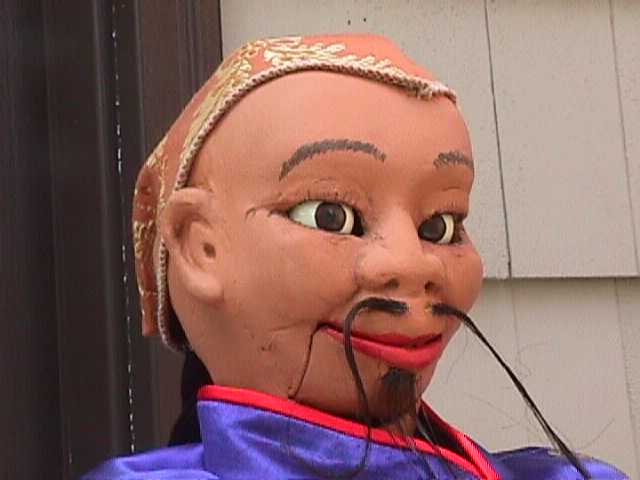
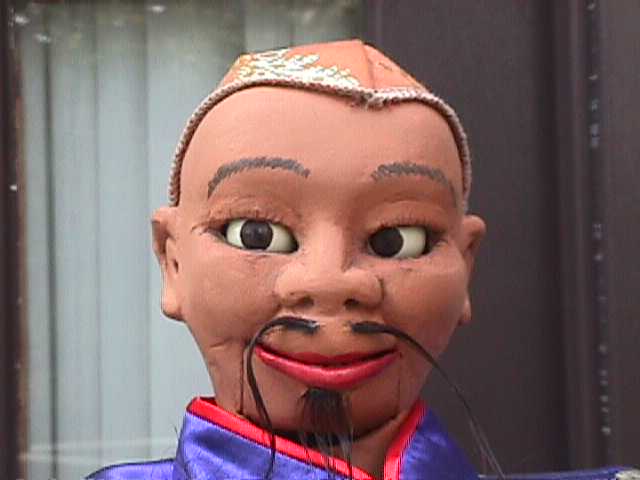
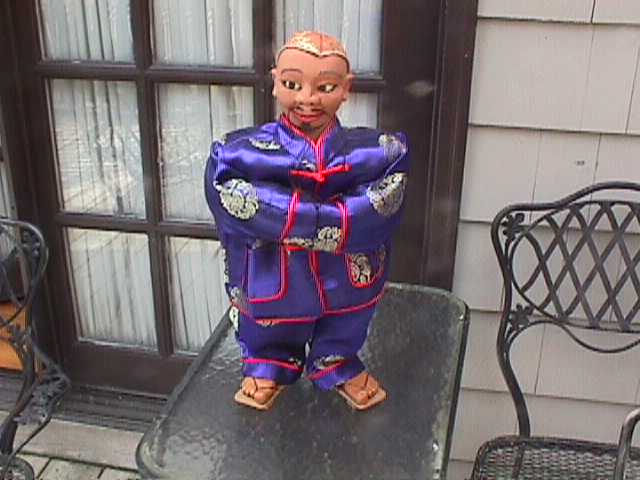
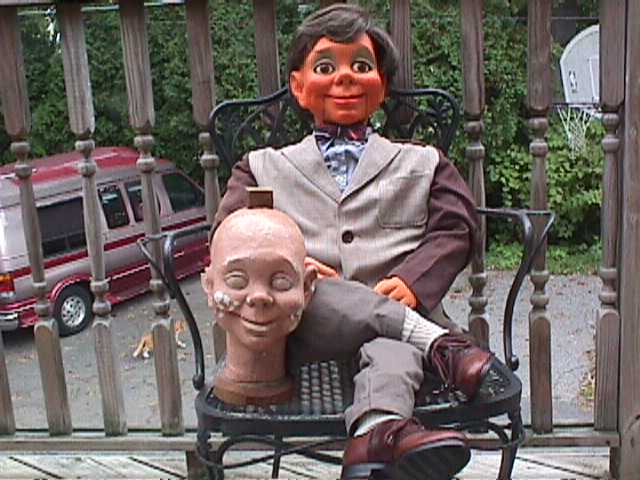
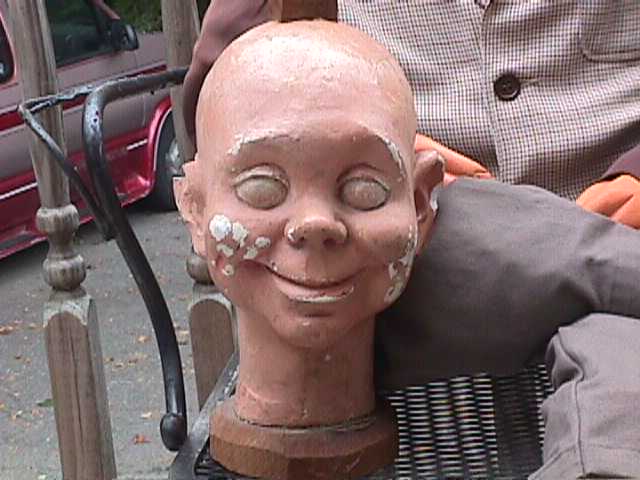
Frank Marshall died October 10, 1969.[2] His sister Mae gave what was left of the shop to an up-and-coming young builder named Brian Hamilton. The tools passed to the next set of hands, which is exactly how a craft is supposed to work.[20] One unfinished figure survived him, a work in progress with no name and Frank's business card tucked inside the head.[21] Possibly the last face he ever carved, waiting on a coat of paint that never came.
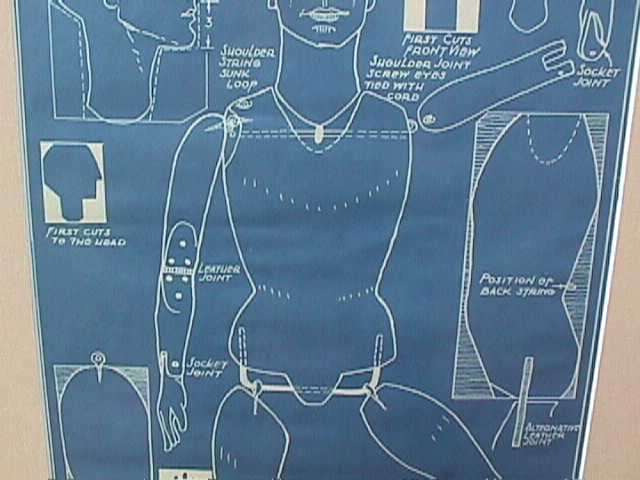
When his workshop patterns and blueprints finally crossed an auction block in 2015, the whole lot, the actual bones of the golden age, went for about $3,400.[22] The most important objects in the sale were the cheapest. Collectors, write that down. And the next time you see a Marshall face grinning from a stage or a shelf, say hello. He's one of ours.

Thirty eight bucks for a face, a voice box, and a career. I have opinions about my own invoice but Frank's the one nobody haggled with.— Freddy Fiddlesticks, spokesdummy
The figures
408 photographs across 46 cataloged objects. Each object is one entry in the register — where a character name covers two physical figures, they stay two entries, because the character outlives the object more often than the record admits.
Loaded 12 photographs
- Movements
- slot jaw / moving mouth; self-centering eyes; winkers; raising eyebrows; tongue
Recorded owner Alan Ende and now as stated on the source page when it was written — not current ownership
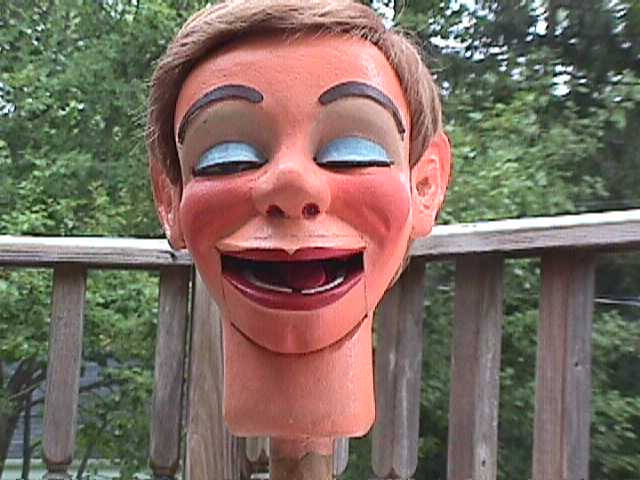
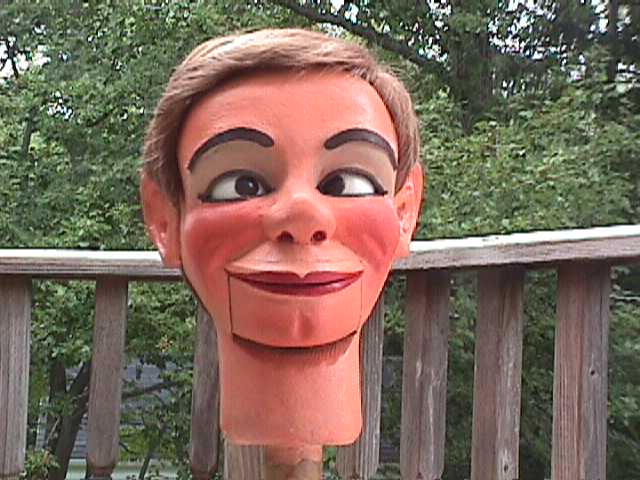
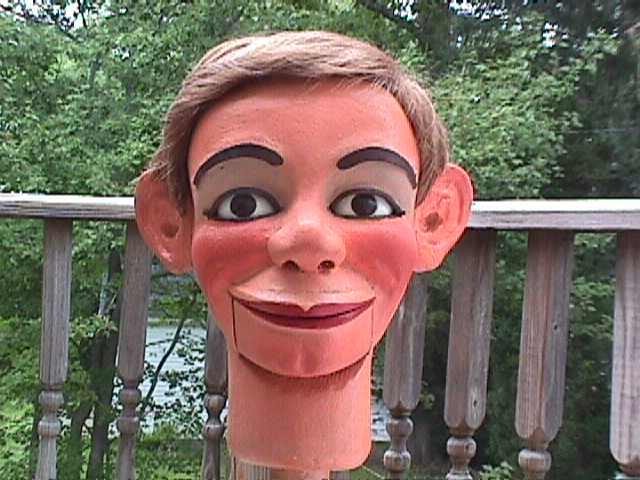
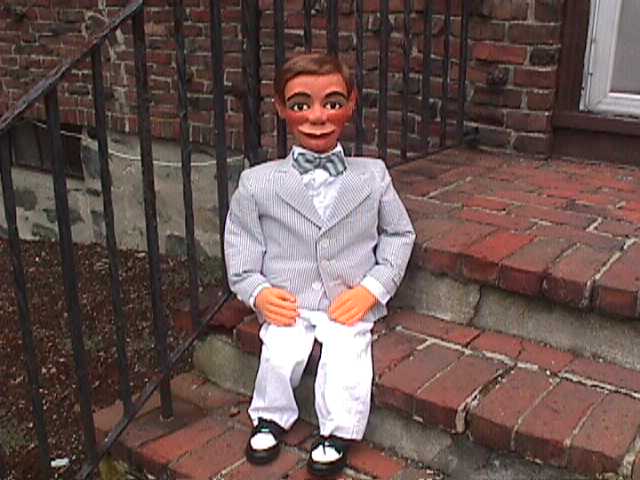
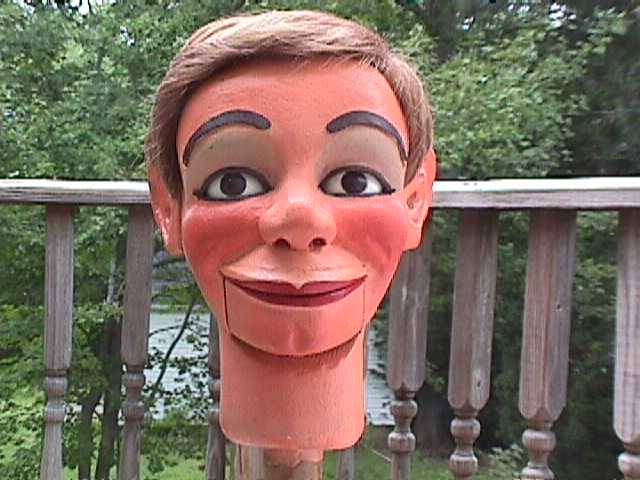
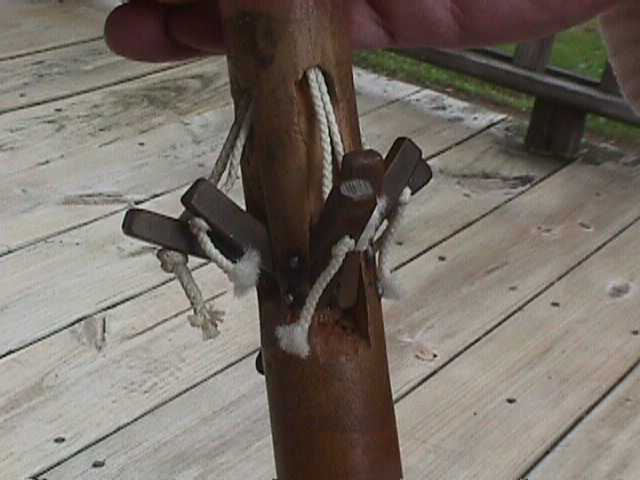
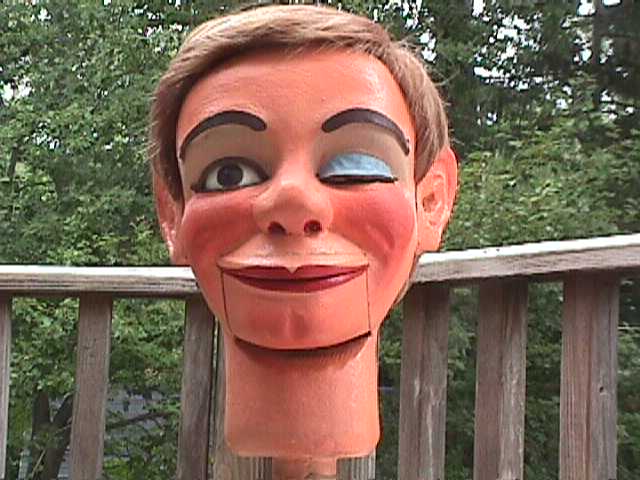
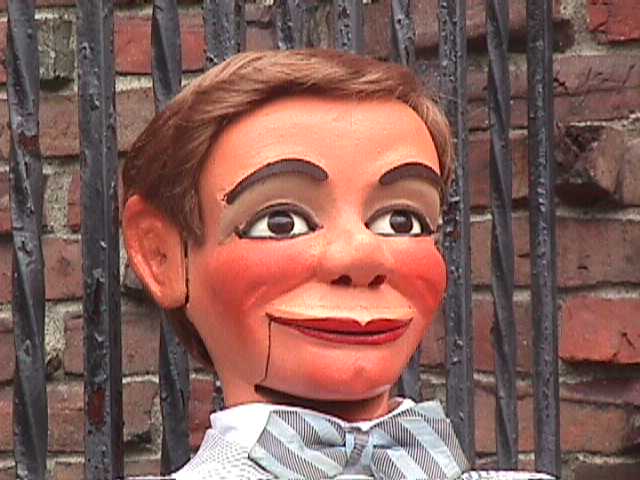
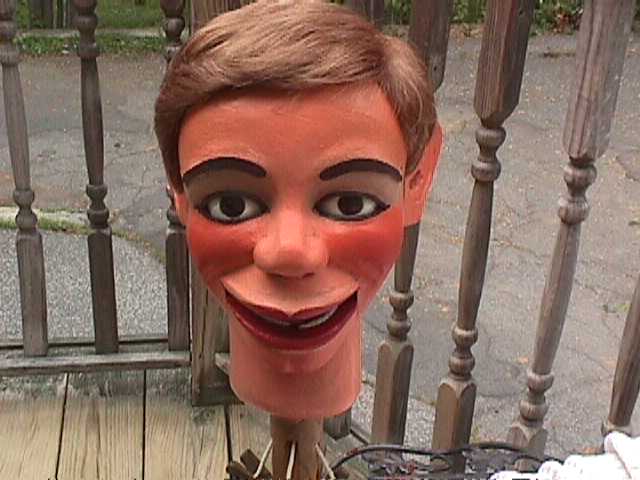
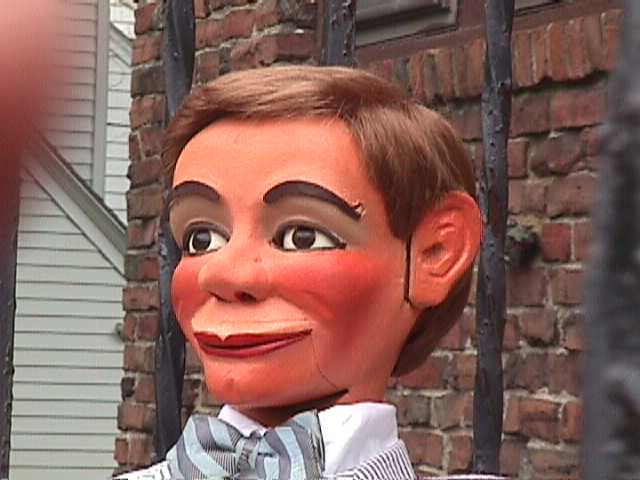
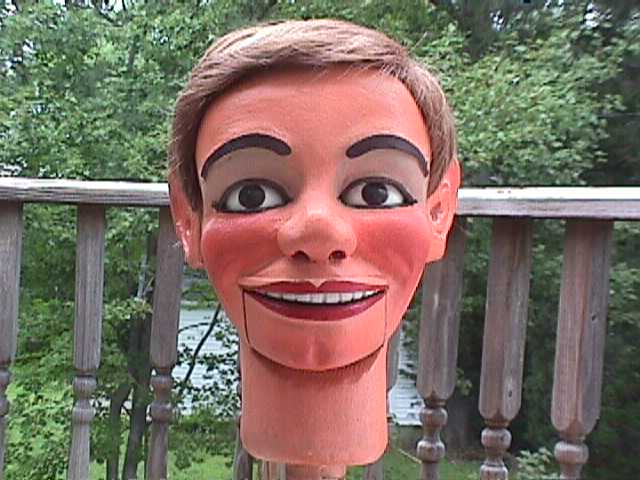
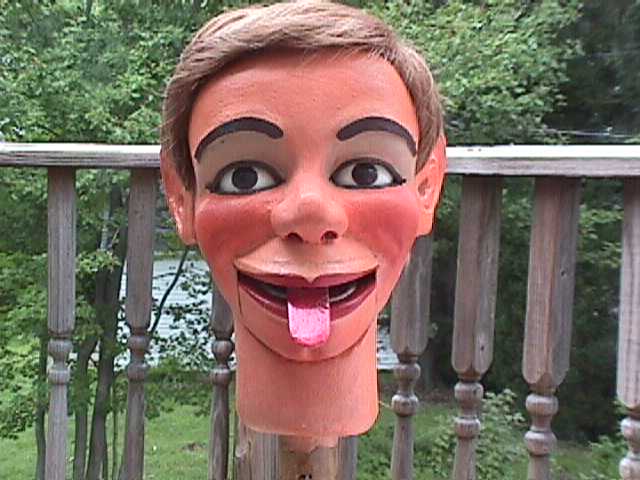
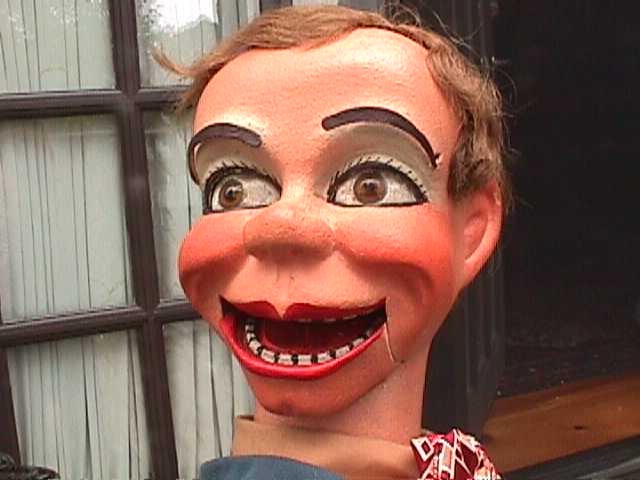
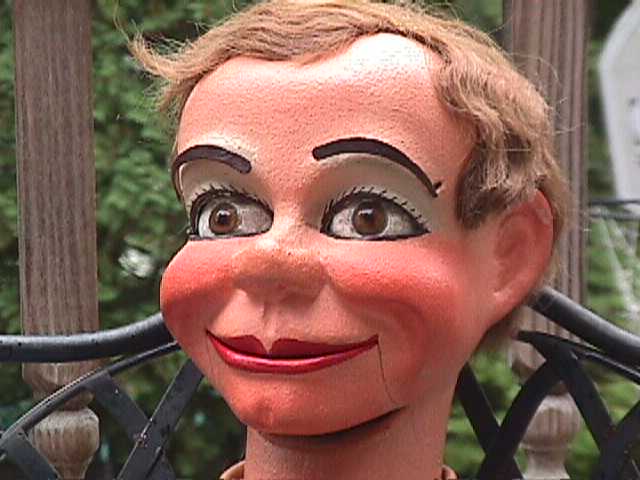
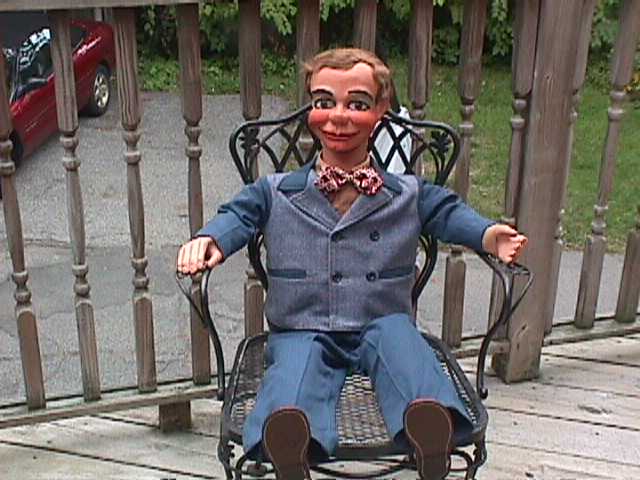
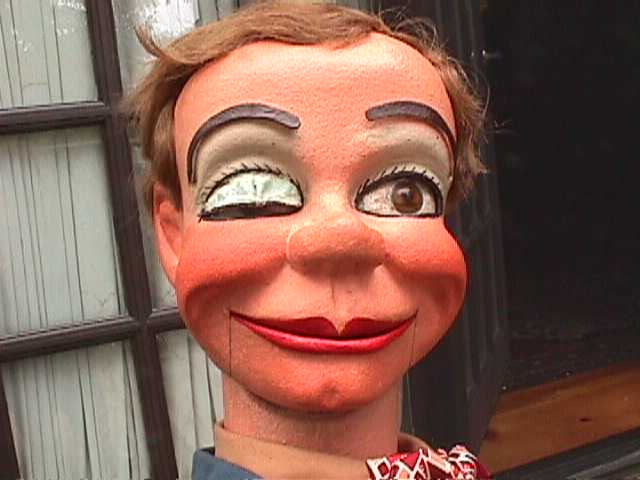
Premier Example of a Nosey 8 photographs
- Materials
- carved wood
- Movements
- slot jaw / moving mouth; self-centering eyes; raising eyebrows
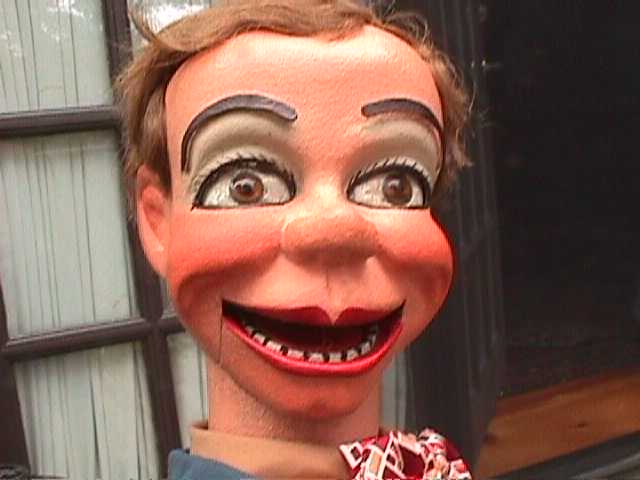
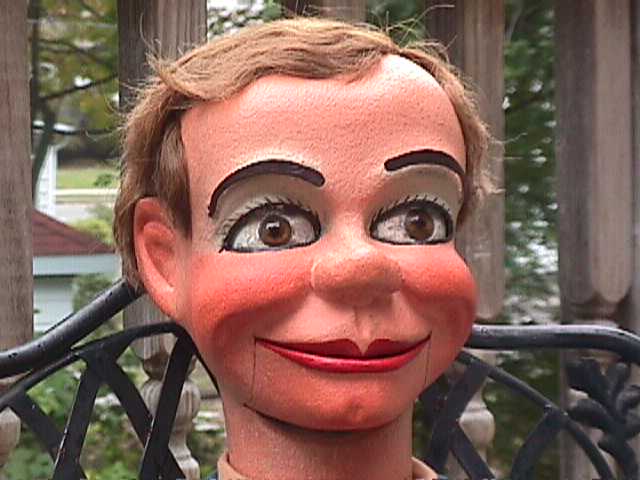
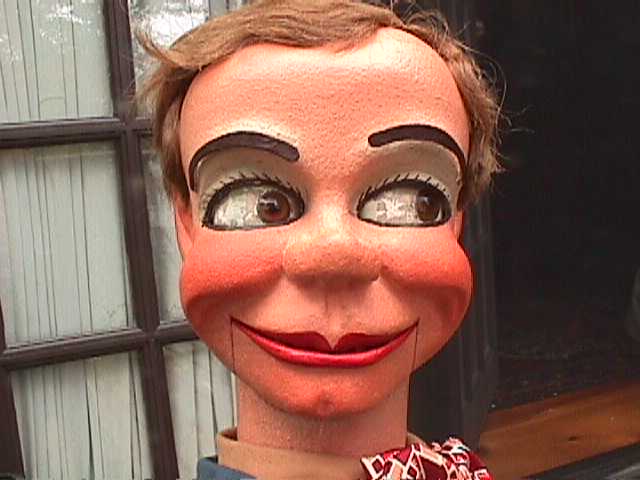
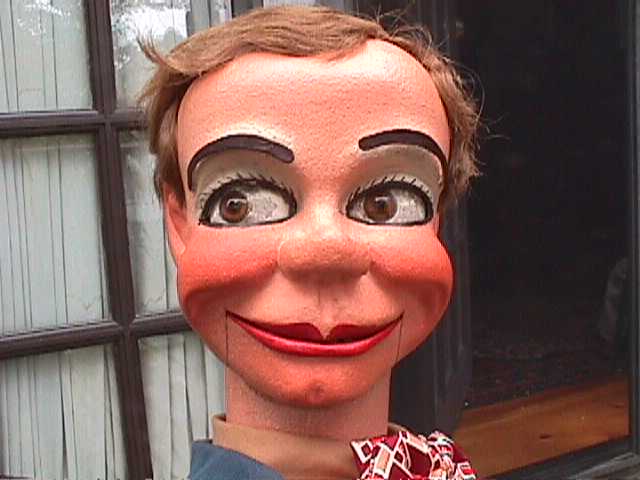
Another Nosey 8 photographs
- Movements
- slot jaw / moving mouth; self-centering eyes; raising eyebrows
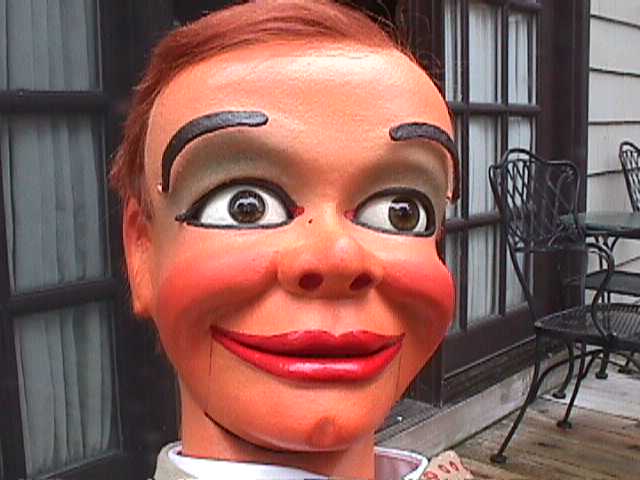
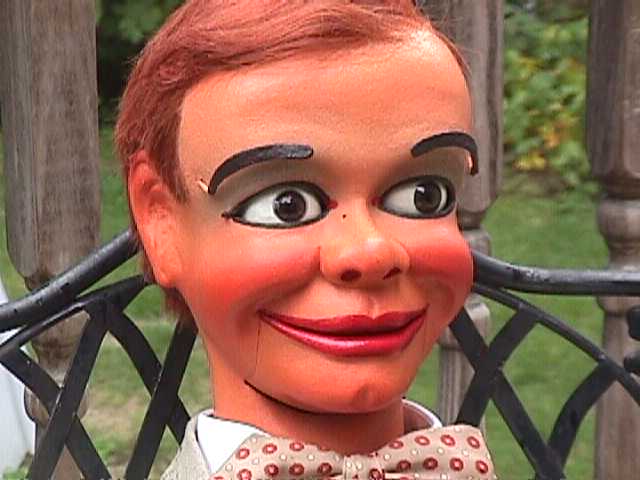
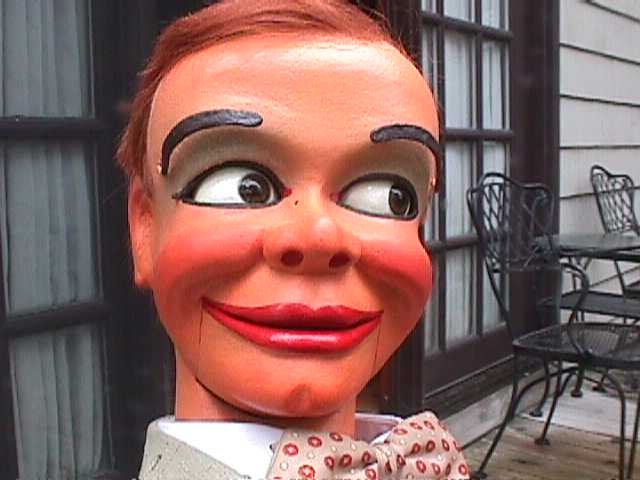
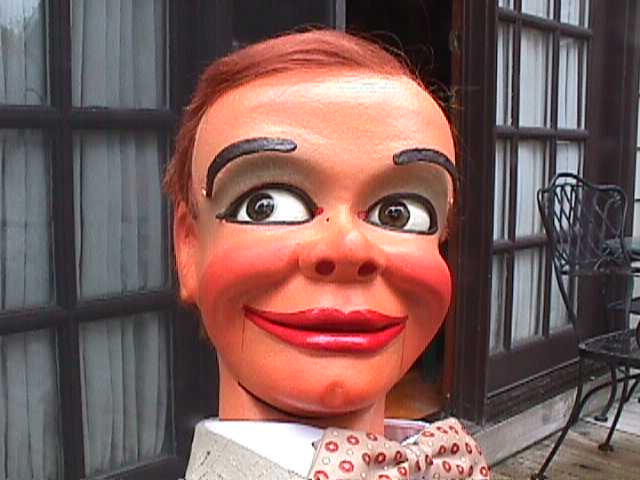
Showing His Teeth 3 photographs
- Movements
- slot jaw / moving mouth; self-centering eyes; winkers
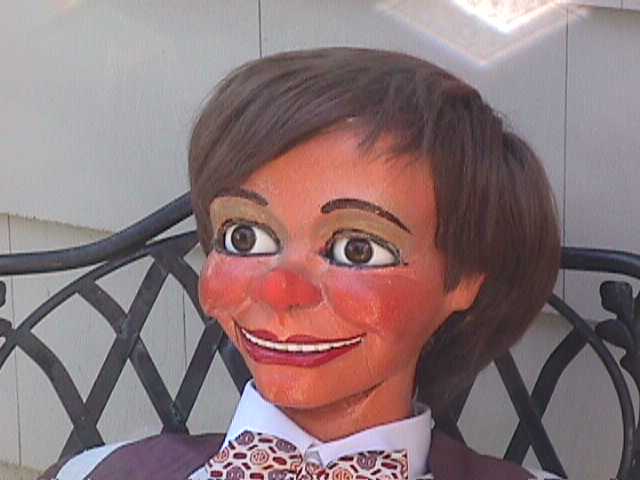
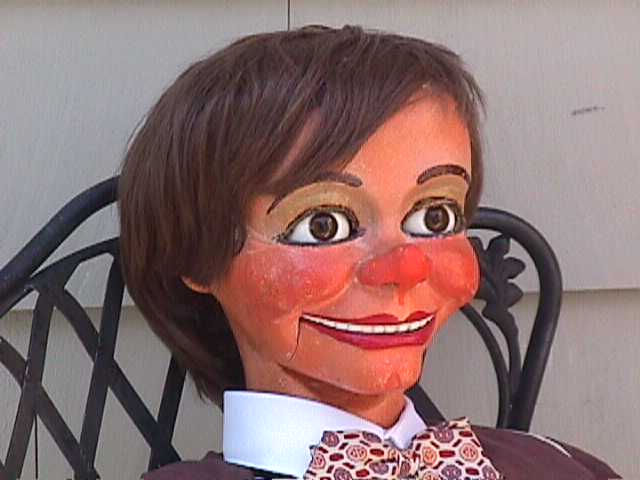
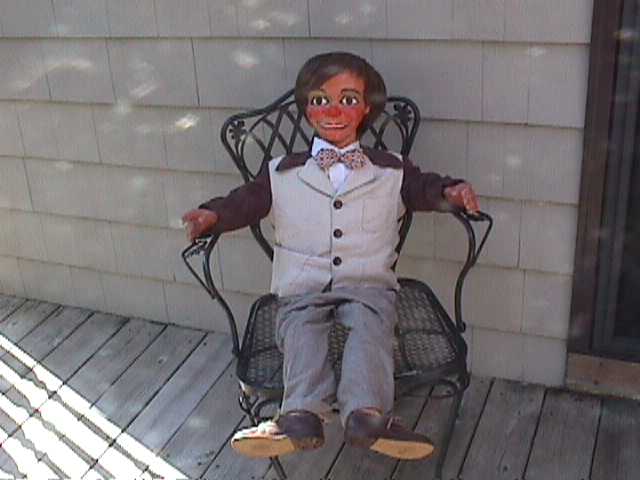
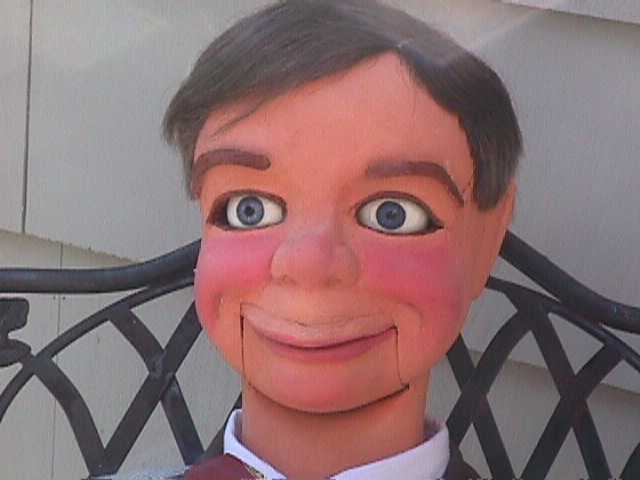
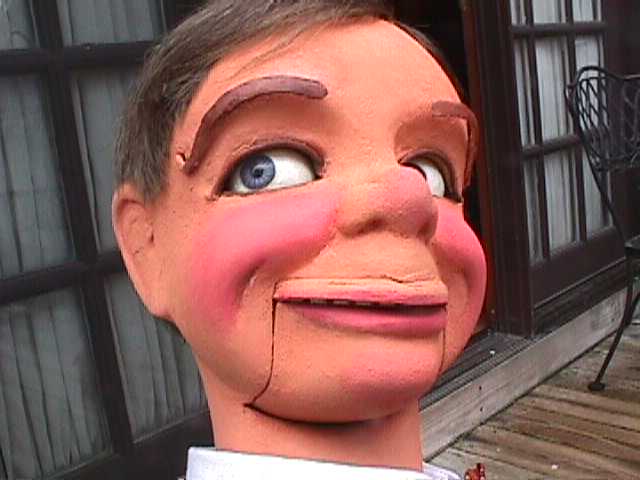
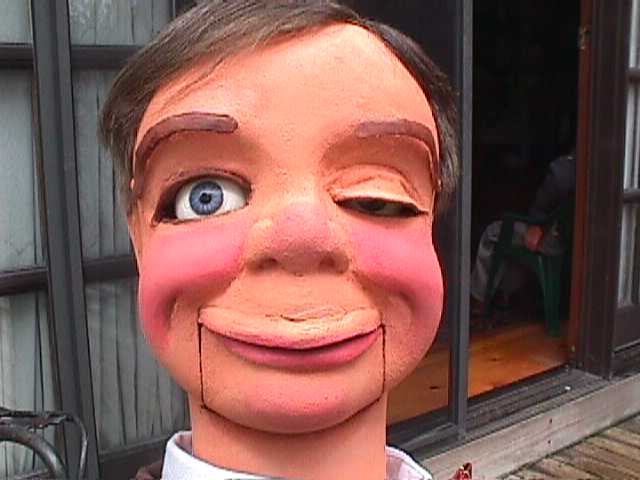
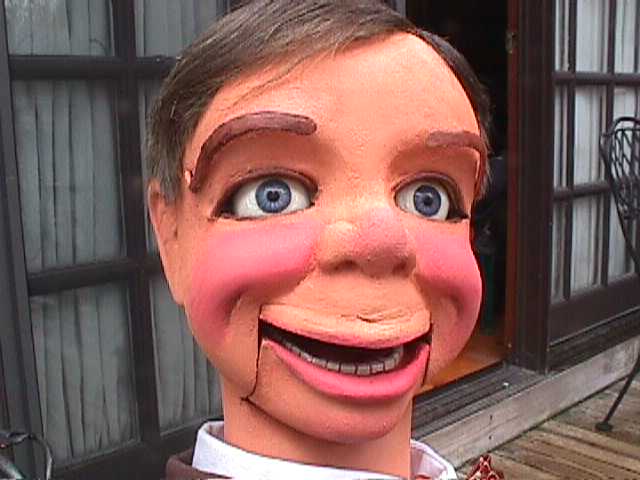
Bob McElroy 8 photographs
- Movements
- slot jaw / moving mouth; self-centering eyes; winkers; raising eyebrows
- Dates given
- 2003
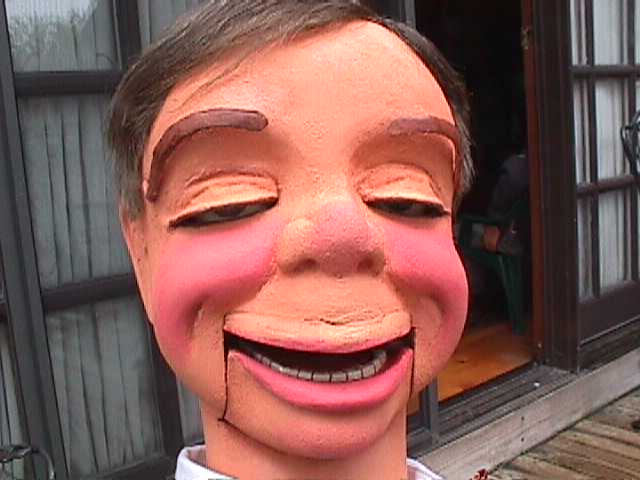
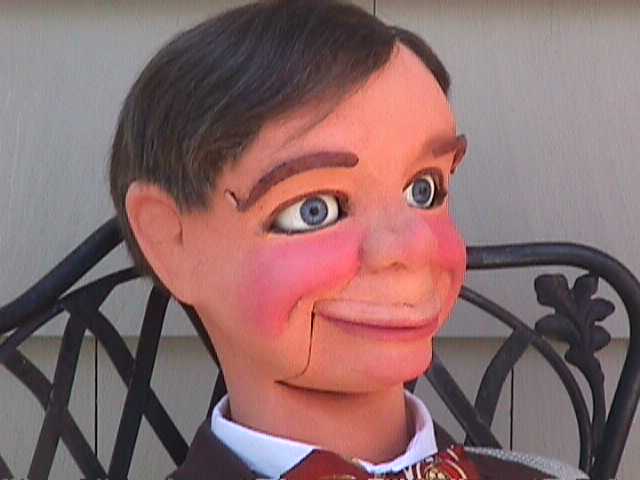
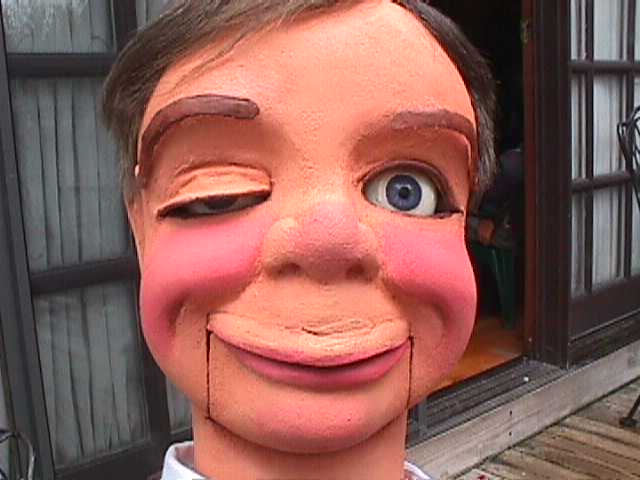
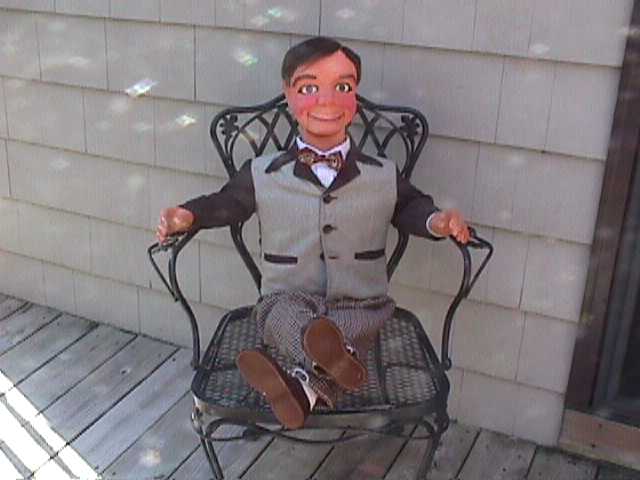
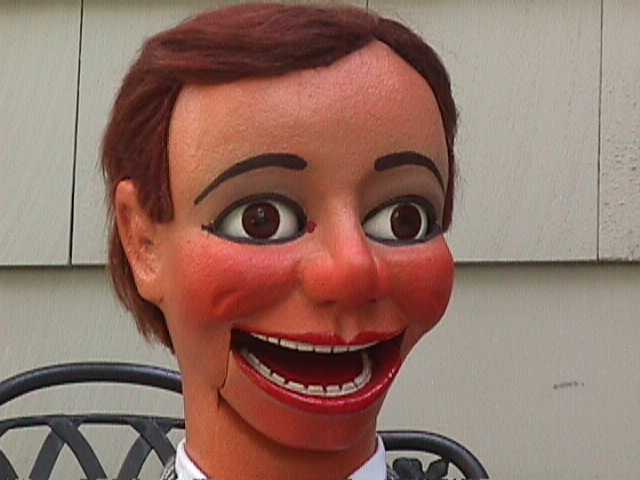
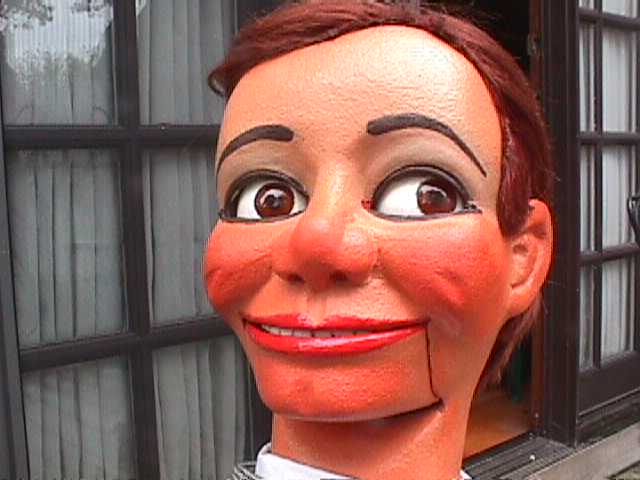
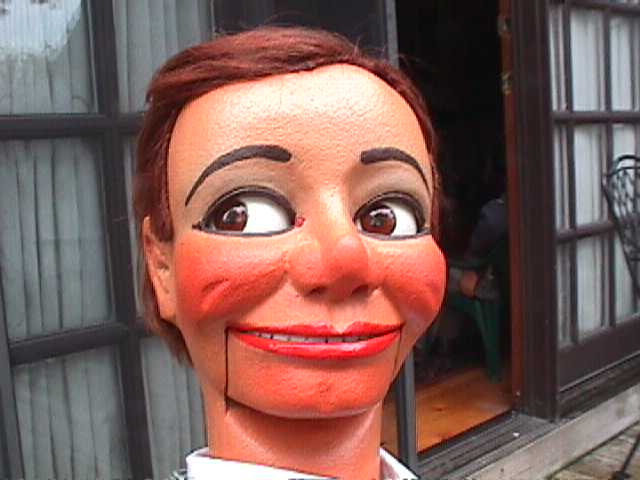
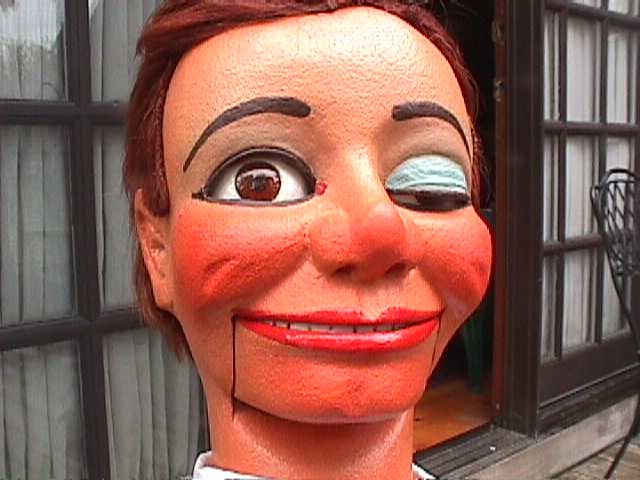
Happy Guy 8 photographs
- Movements
- side-to-side eyes; winkers
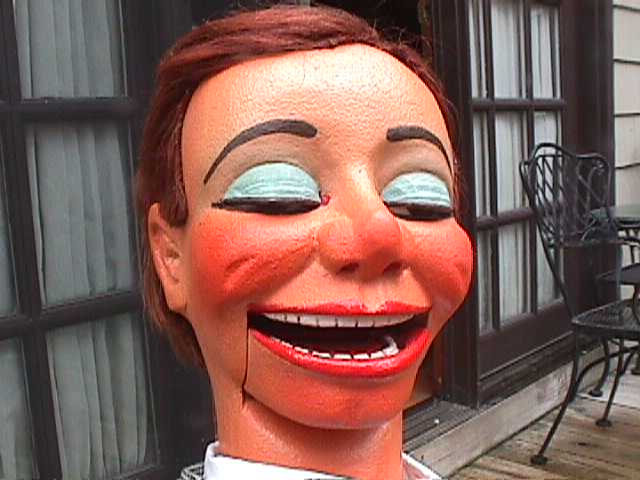
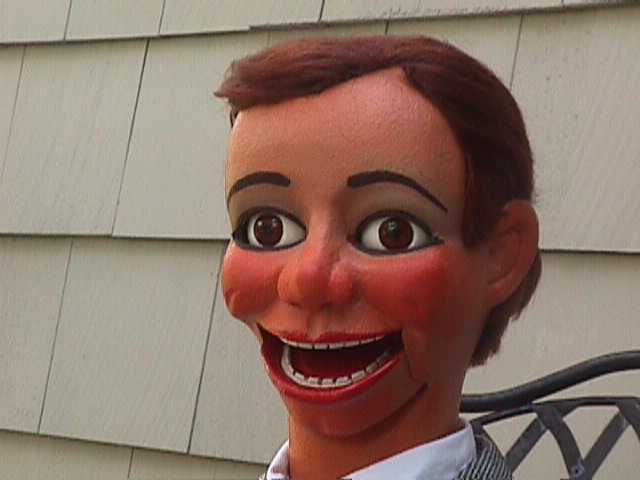
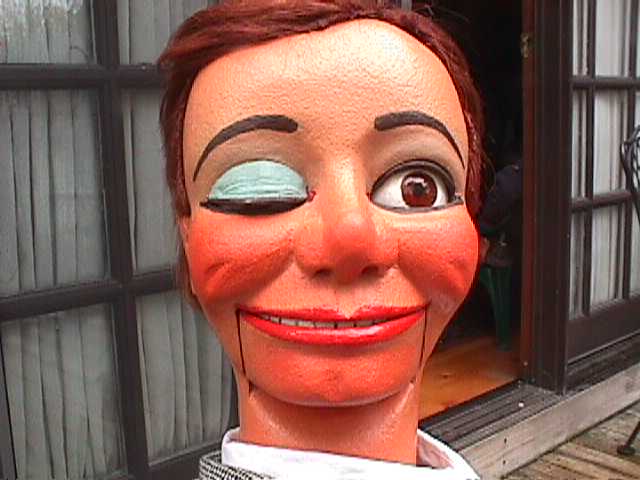
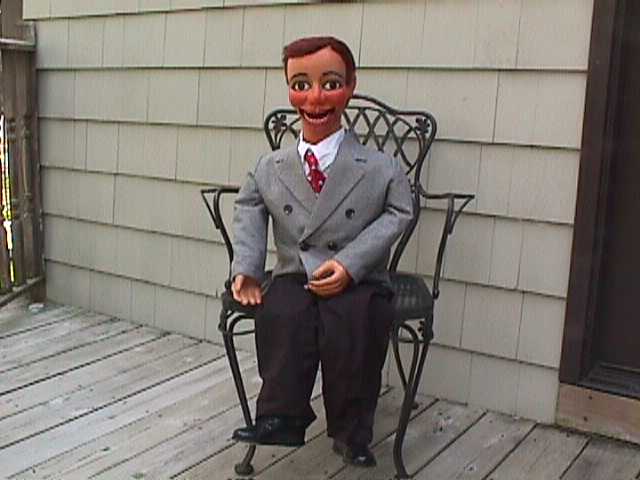
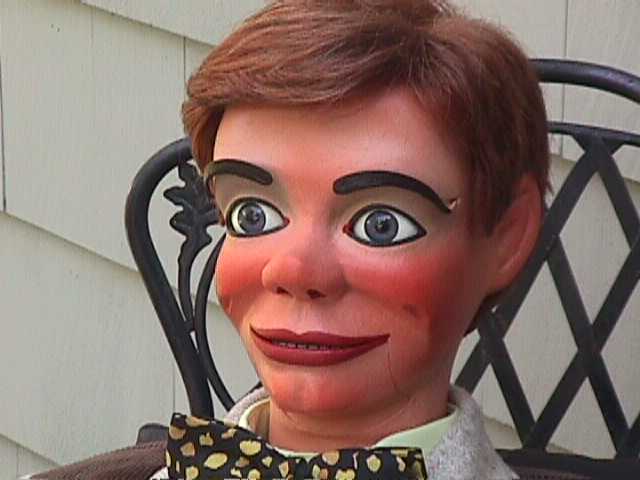
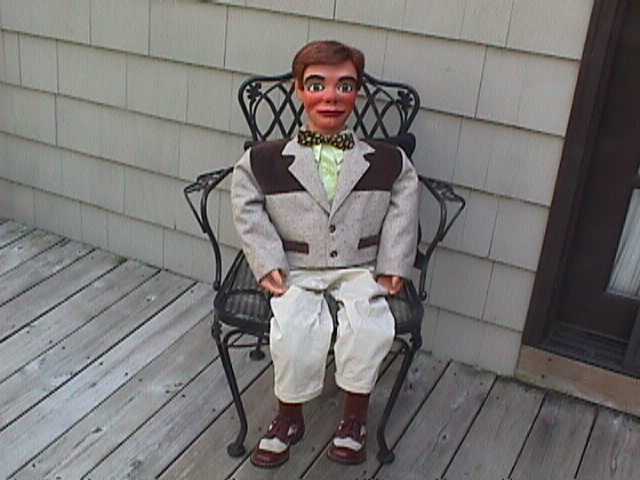
Marshall 07 7 photographs
- Movements
- self-centering eyes; raising eyebrows
- Dates given
- 1940; 1950
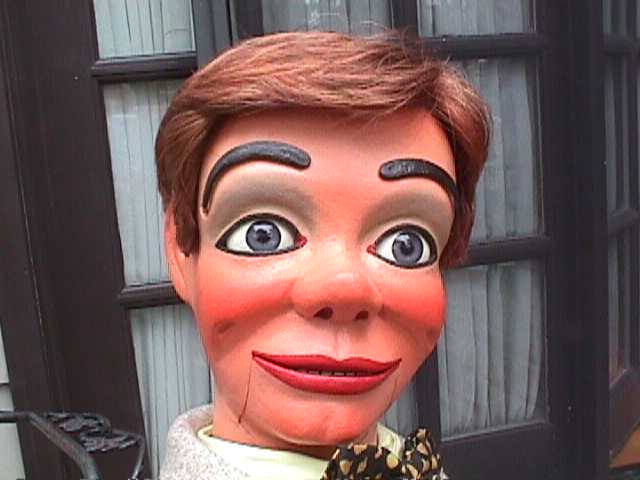
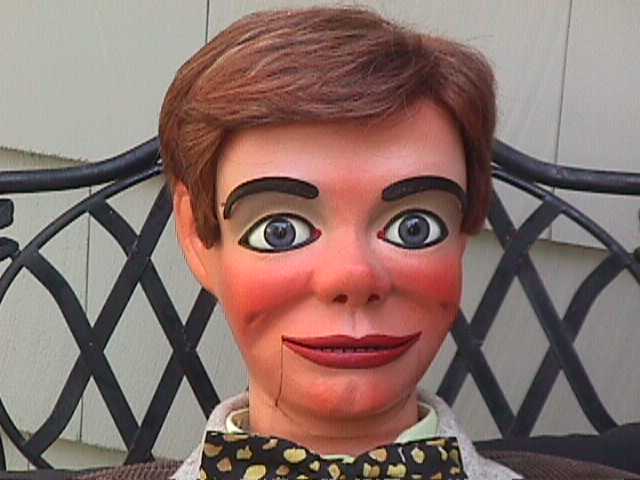
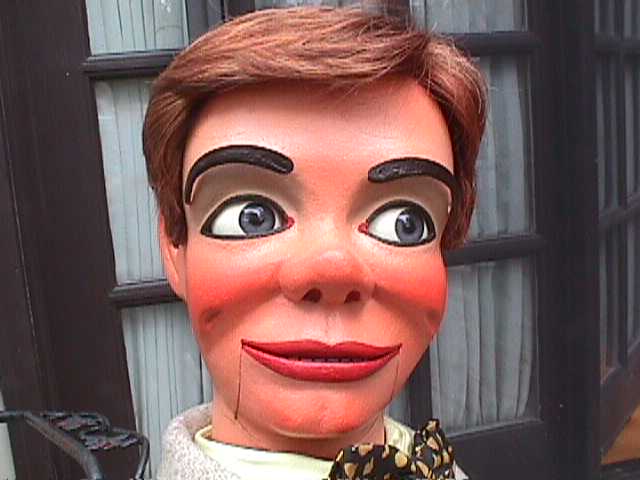
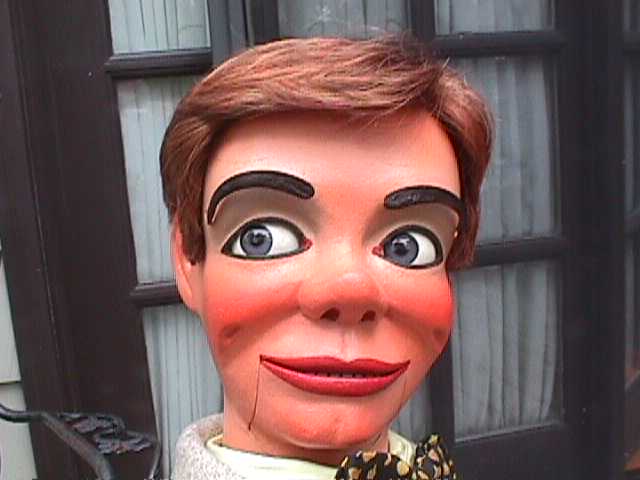
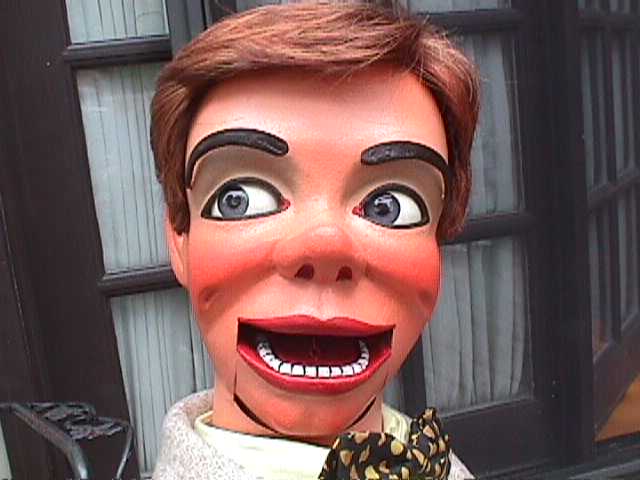
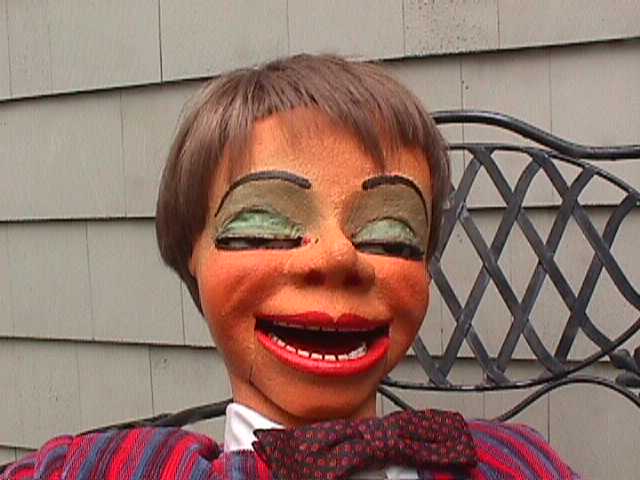
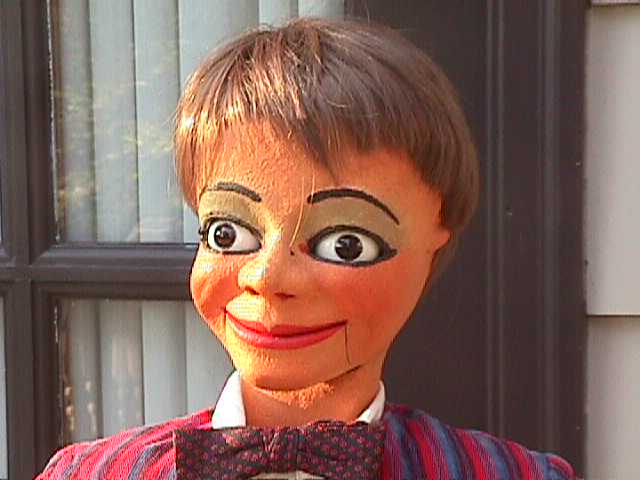
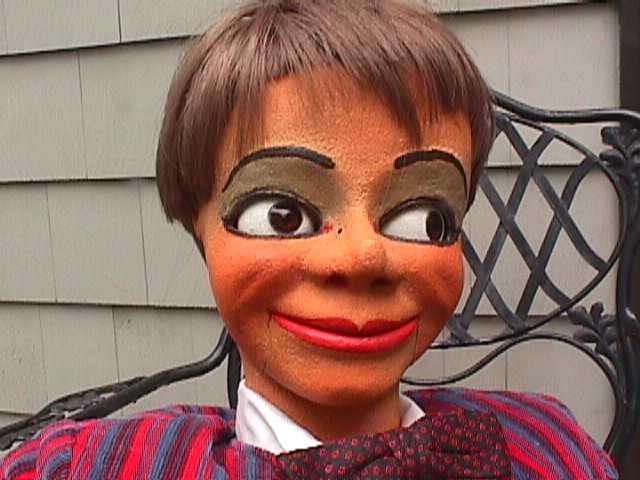
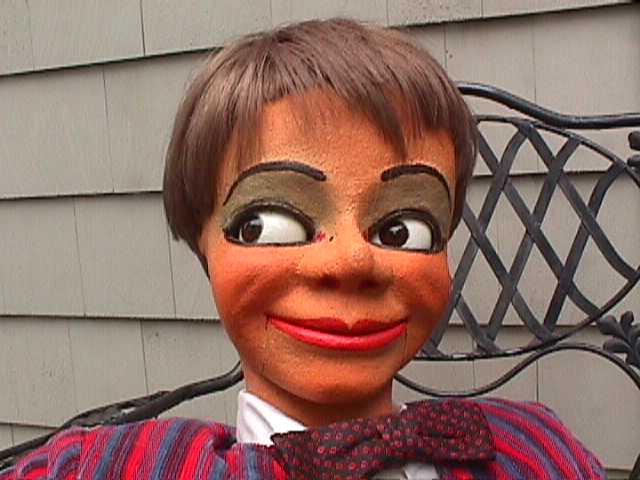
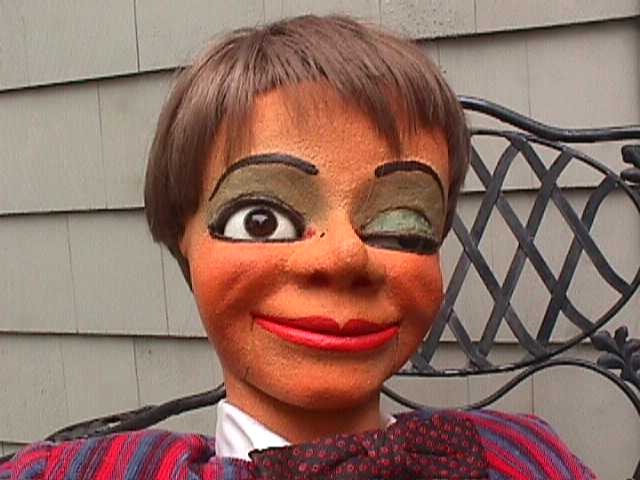
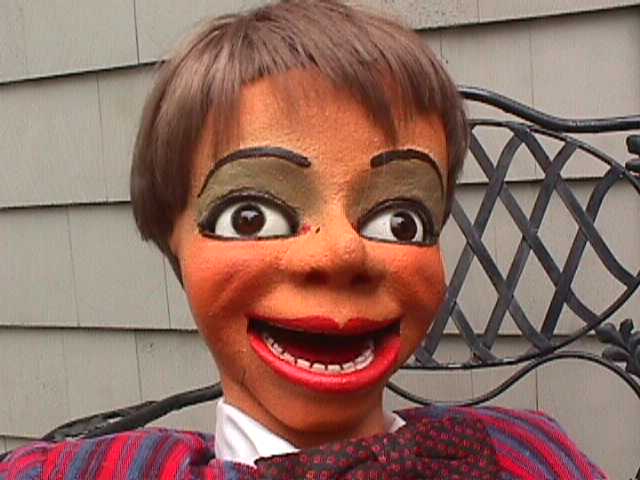
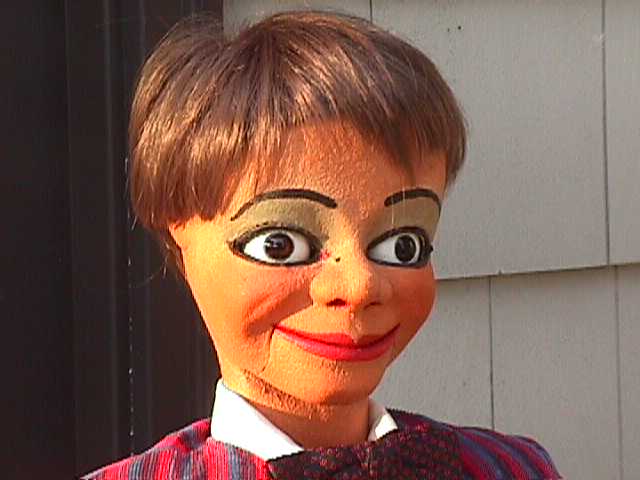
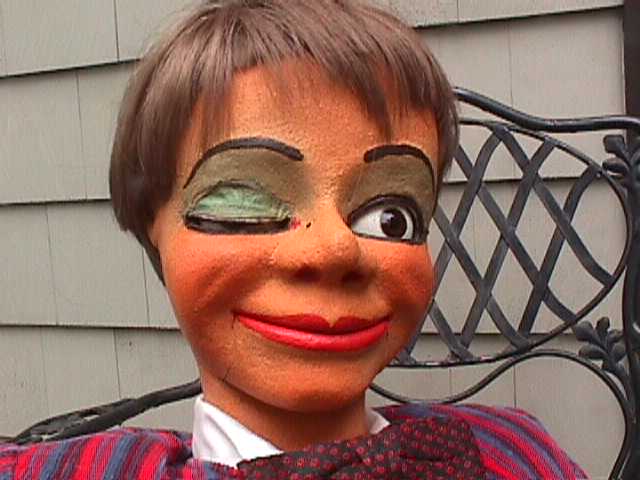
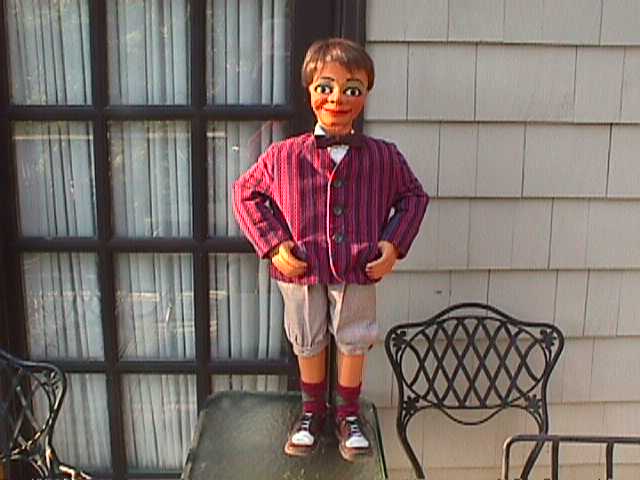
Ricky Tik 9 photographs
- Materials
- carved wood
- Movements
- self-centering eyes; winkers
Another 1940's 3 photographs
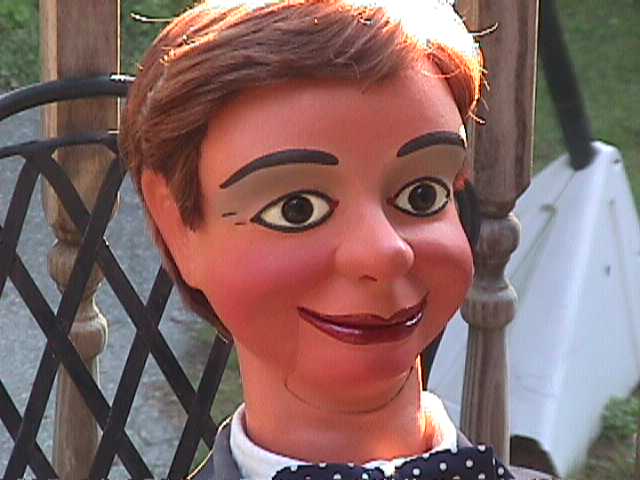
- Movements
- winkers
- Dates given
- 1940
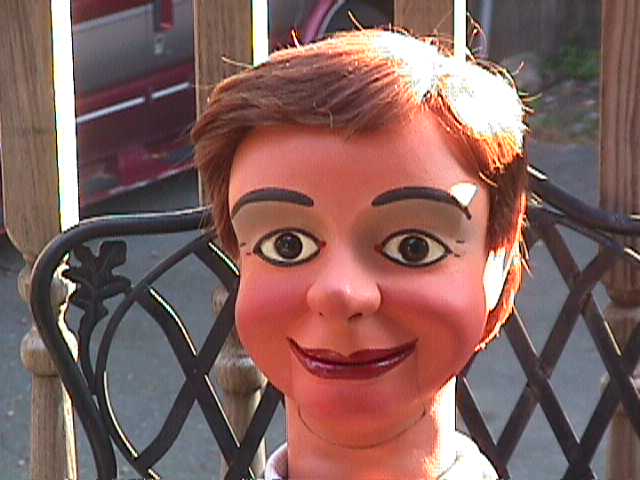
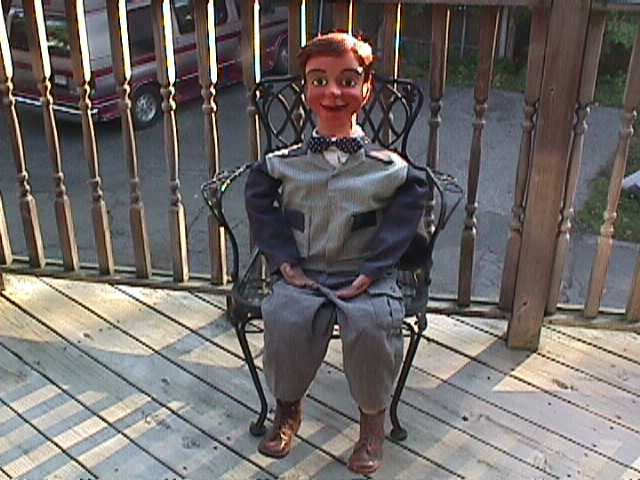
1930's Original 3 photographs
- Dates given
- 1930
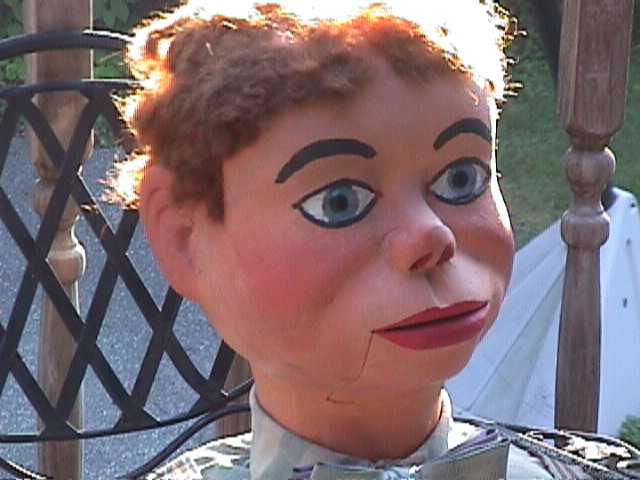
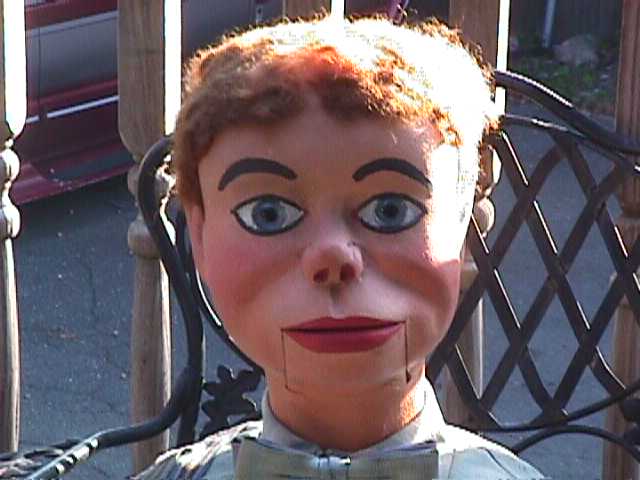
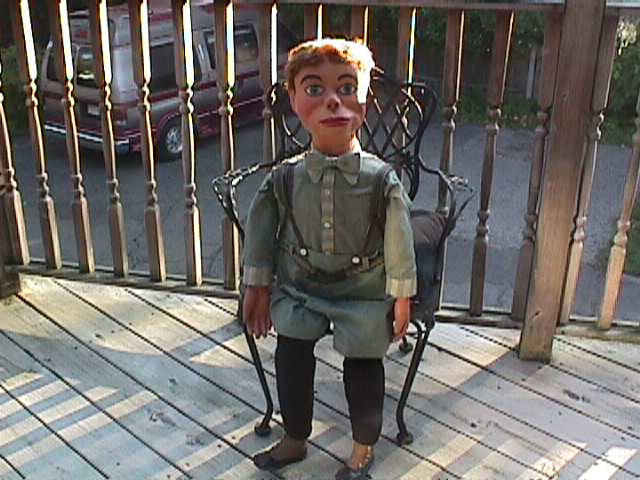
Completely Restored 4 photographs
- Movements
- winkers
- Dates given
- 1930
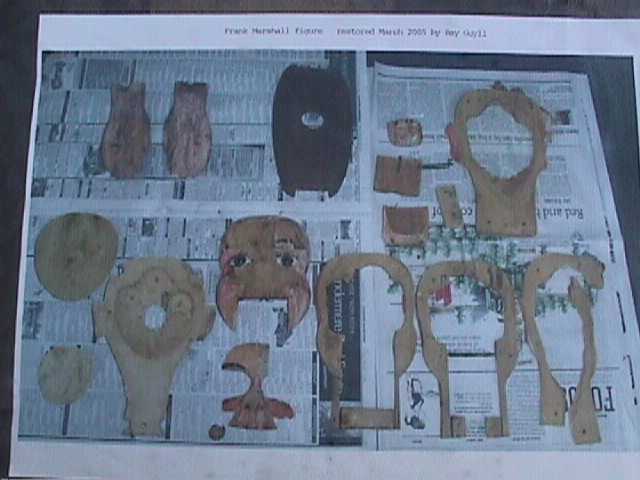
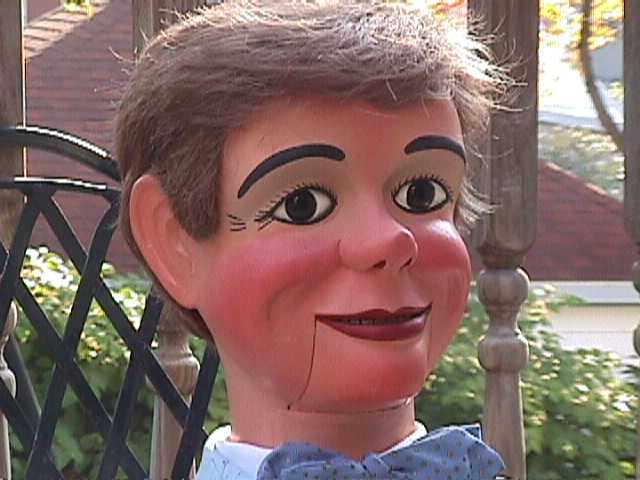
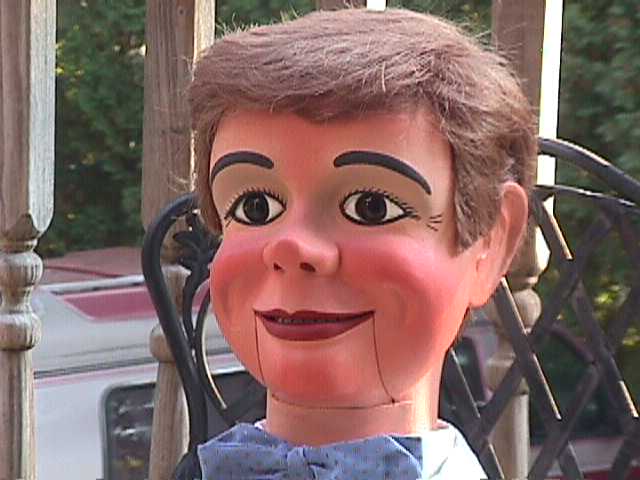
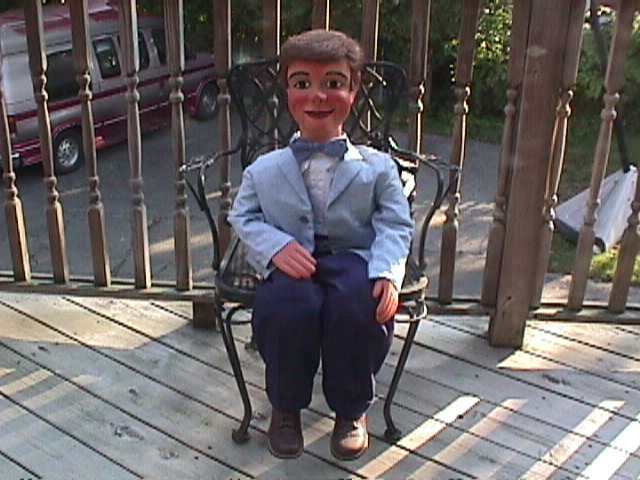
Earliest 3 photographs
- Dates given
- 1928
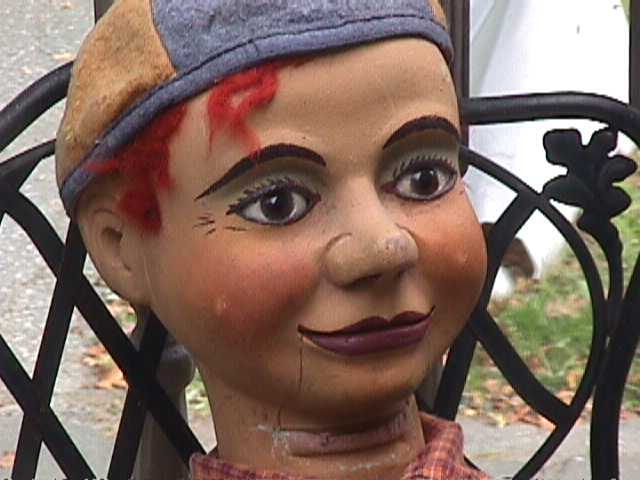
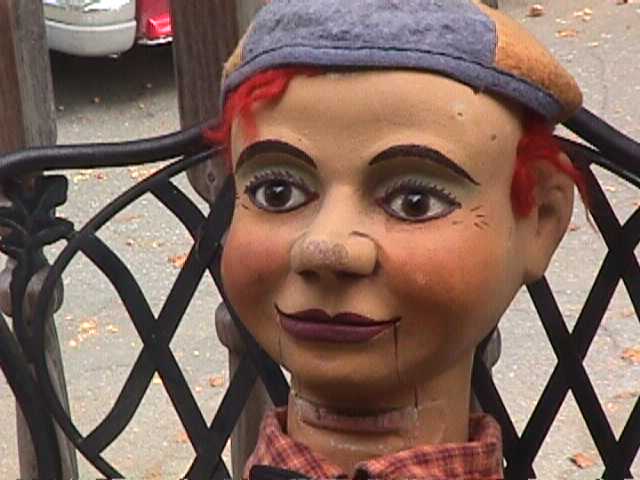
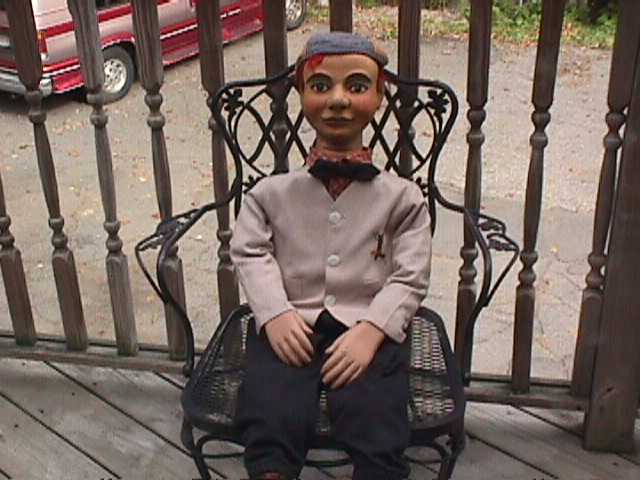
Marshall 14 7 photographs
- Size
- 34"
- Movements
- self-centering eyes; raising eyebrows; tongue
- Dates given
- 1946
Recorded owner Terry Bennett. Terry used as stated on the source page when it was written — not current ownership
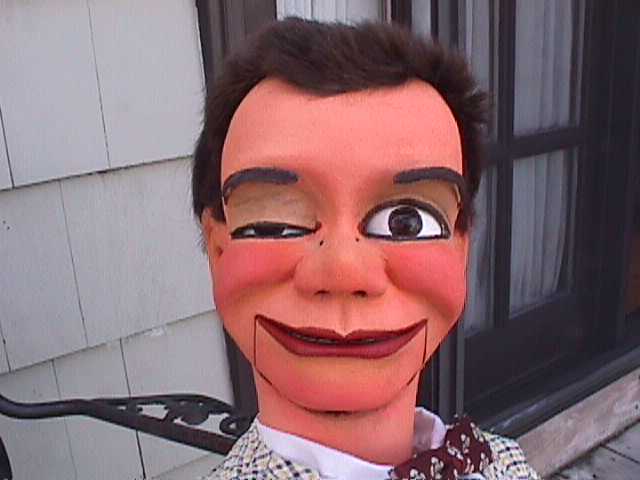
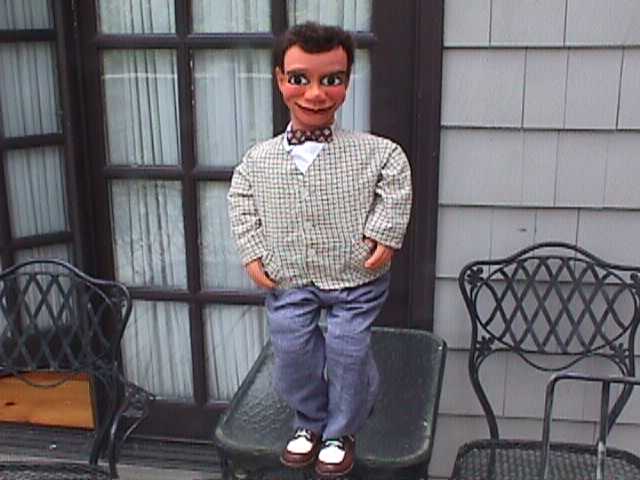
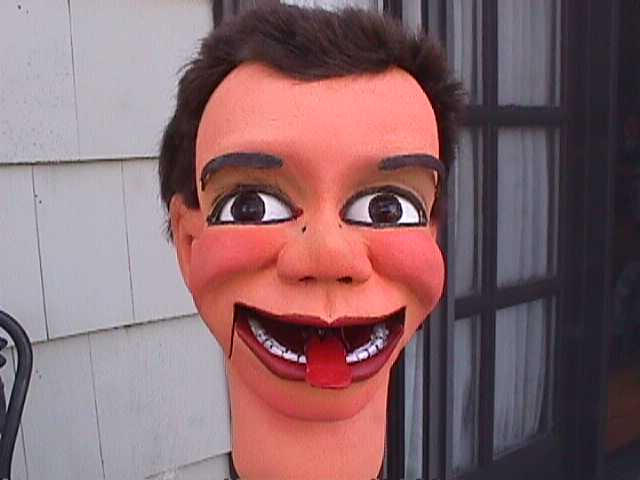
Stanley Burns' Dr Lichi 5 photographs
- Movements
- side-to-side eyes; head stick
- Dates given
- 1953
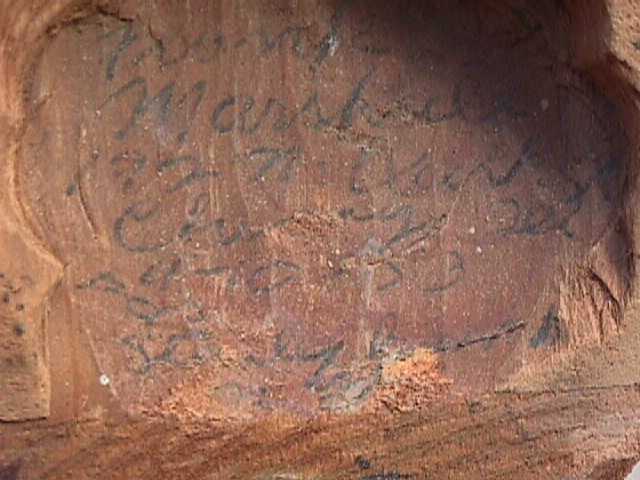
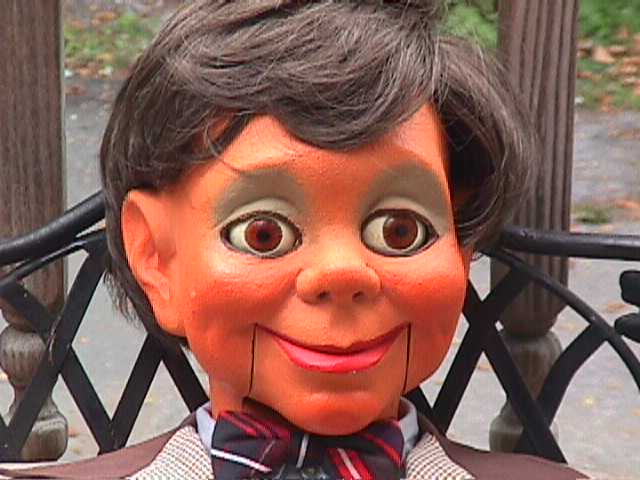
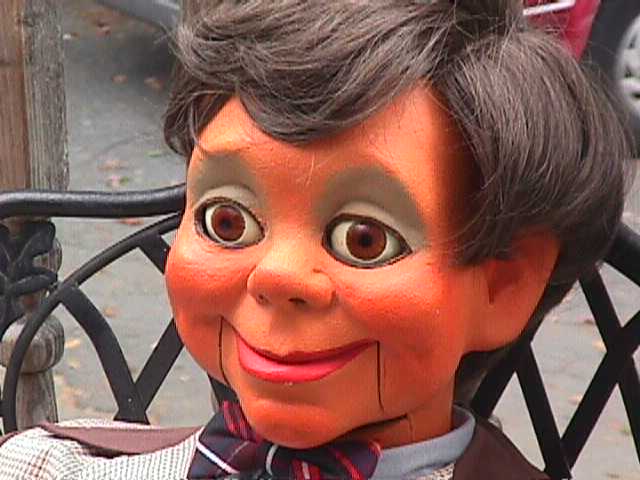
Work In Progress 5 photographs
- Movements
- self-centering eyes
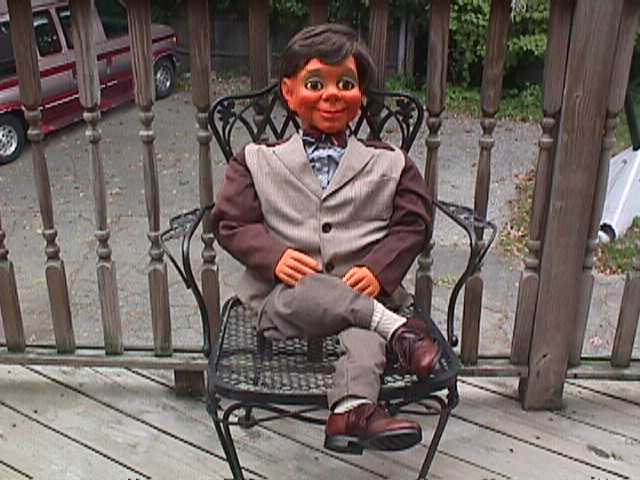
1952 Nosey 4 photographs
- Movements
- self-centering eyes; raising eyebrows
- Dates given
- 1952
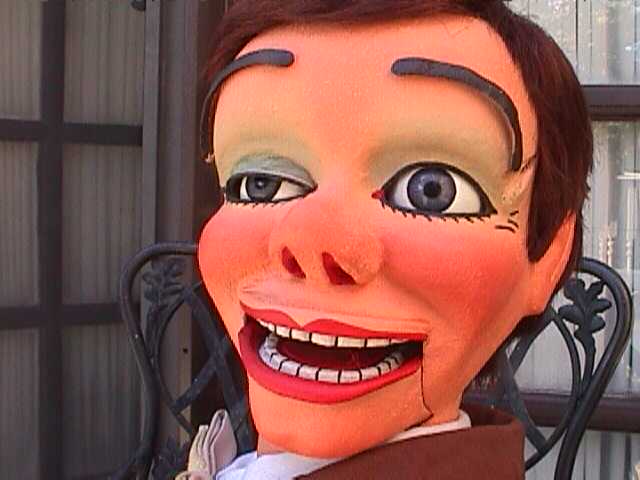
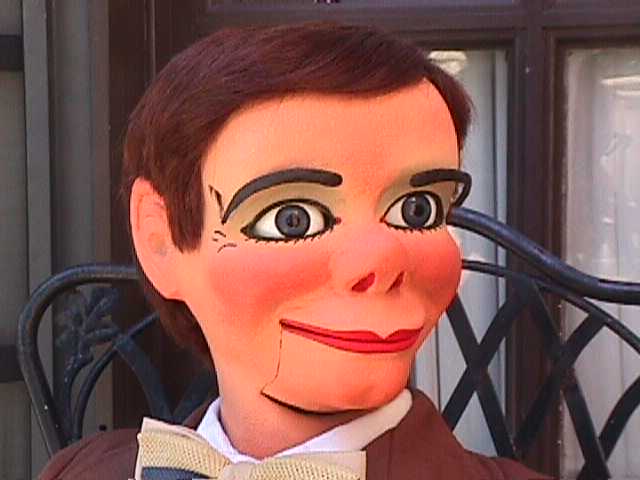
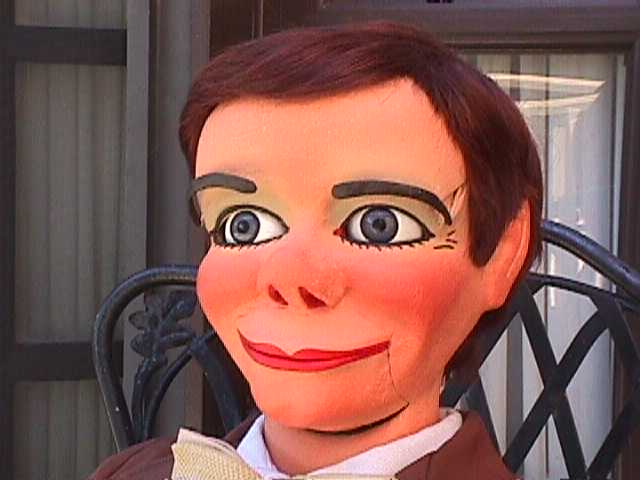
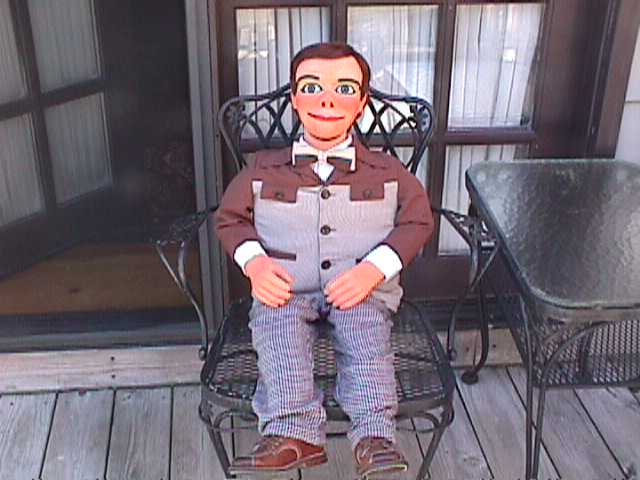
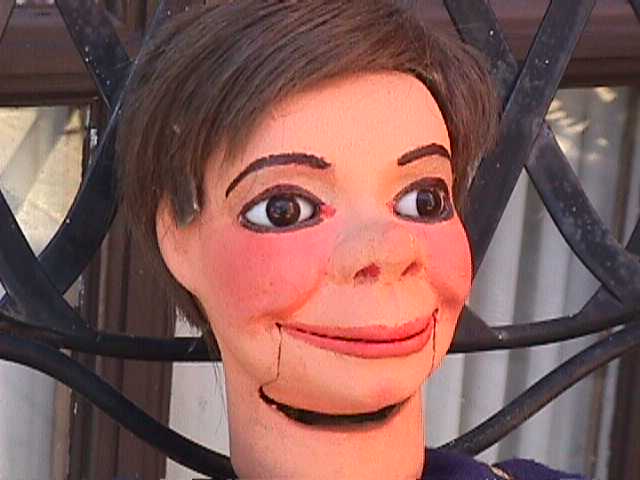
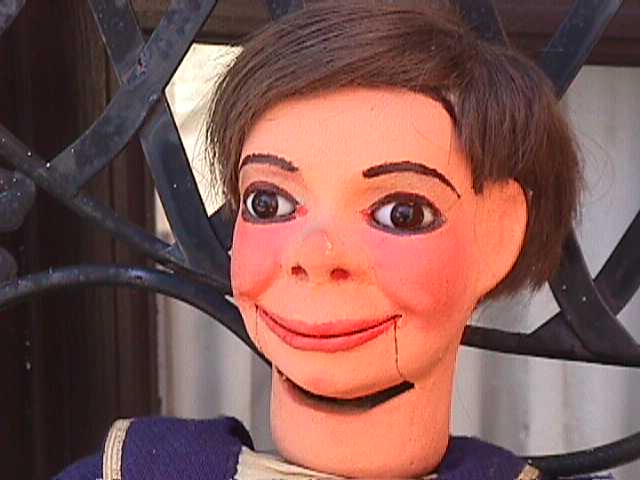
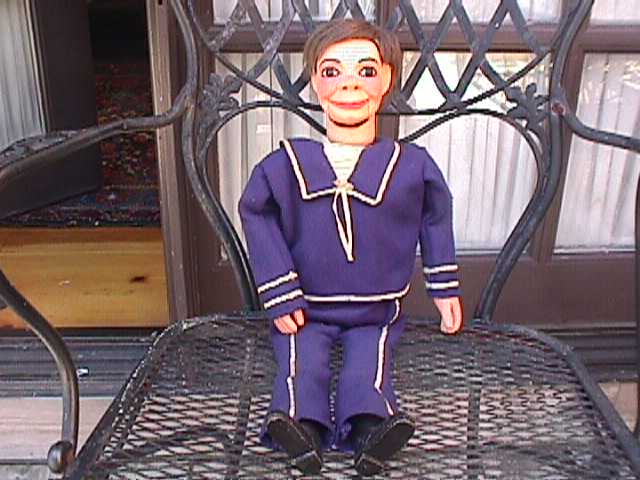
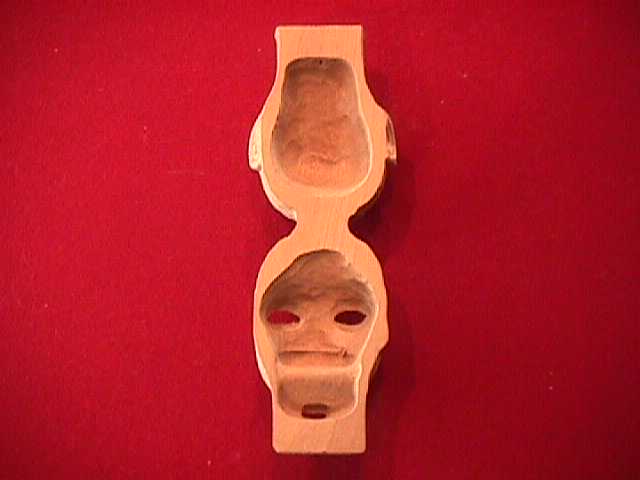
Tommy Knot 7 photographs
- Size
- 20"
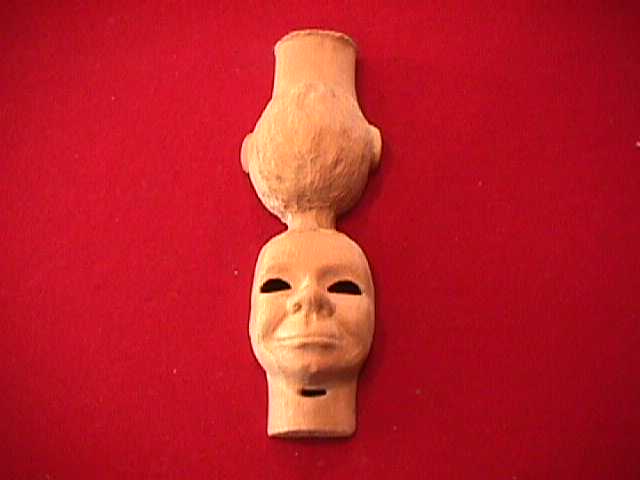
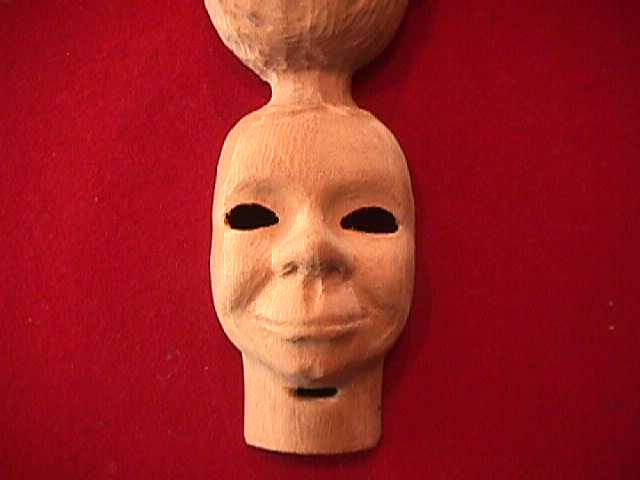
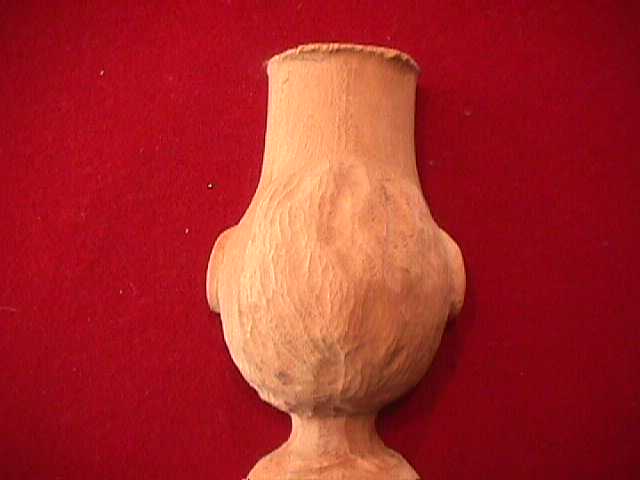
Special Order 3 photographs
- Movements
- slot jaw / moving mouth; side-to-side eyes; winkers
- Dates given
- 1945; 1953
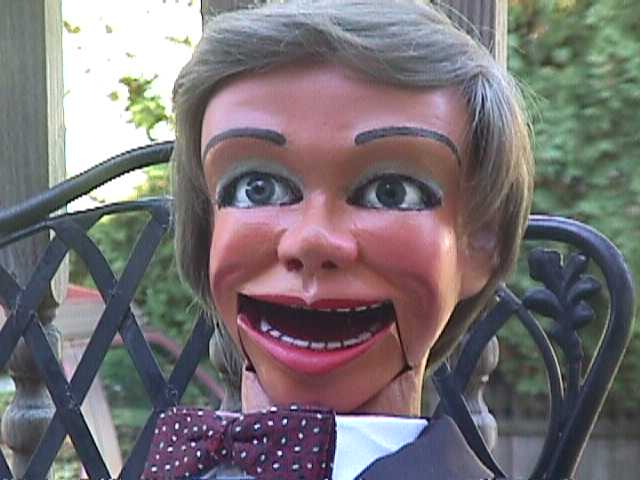
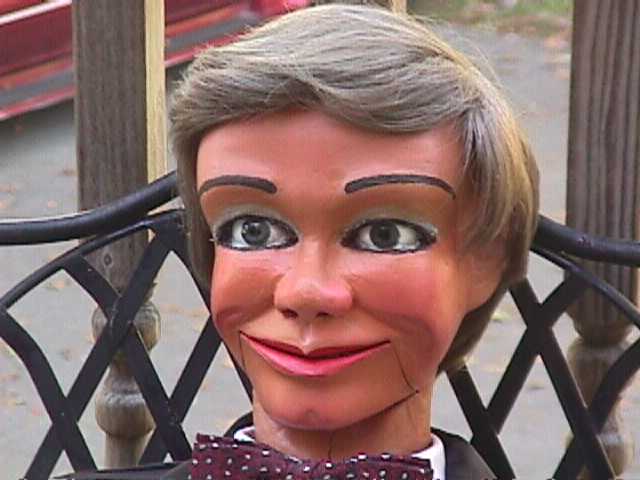
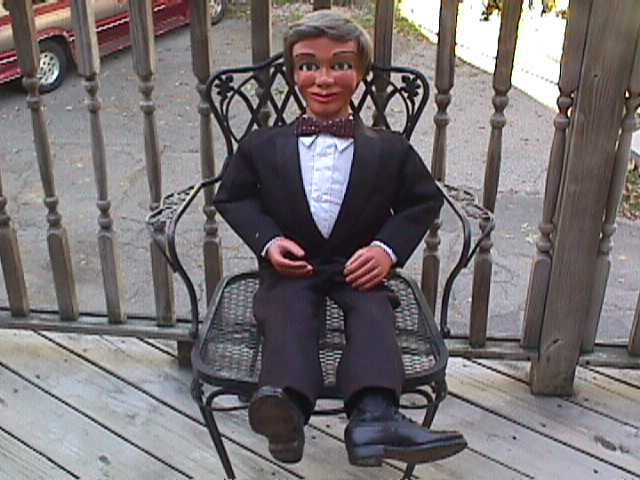
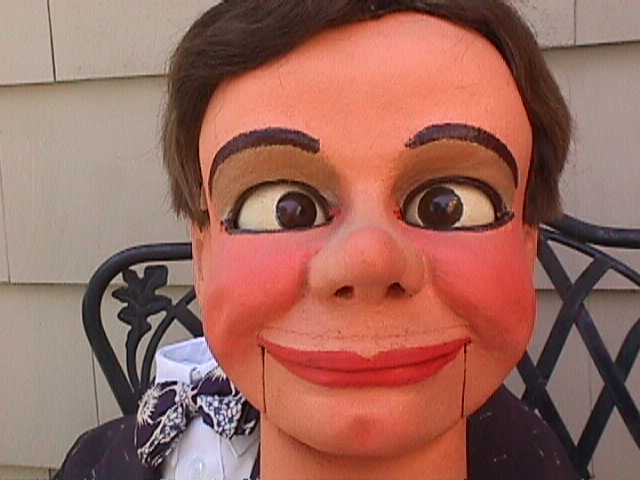
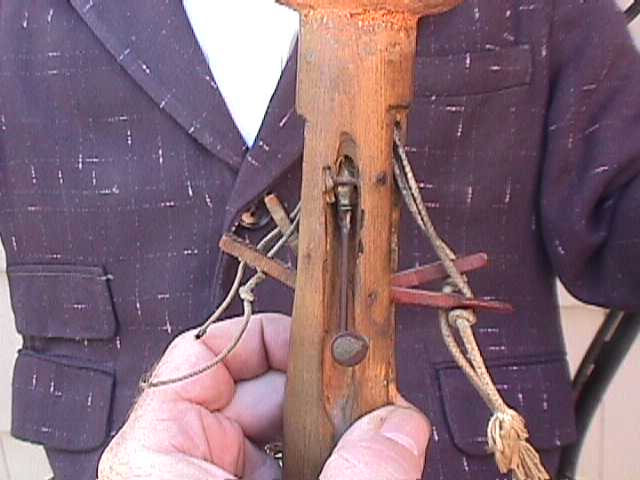
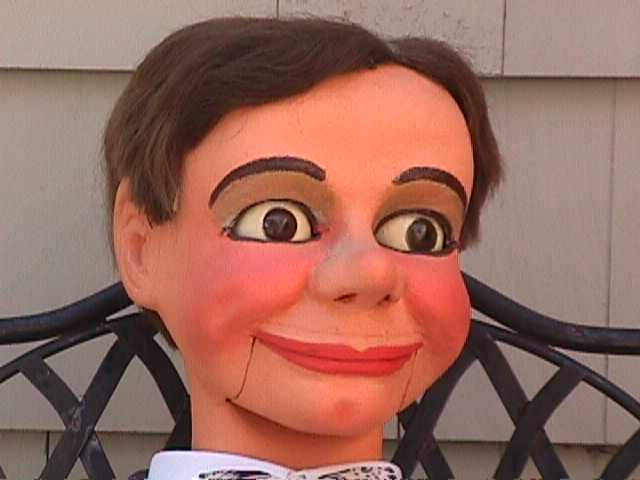
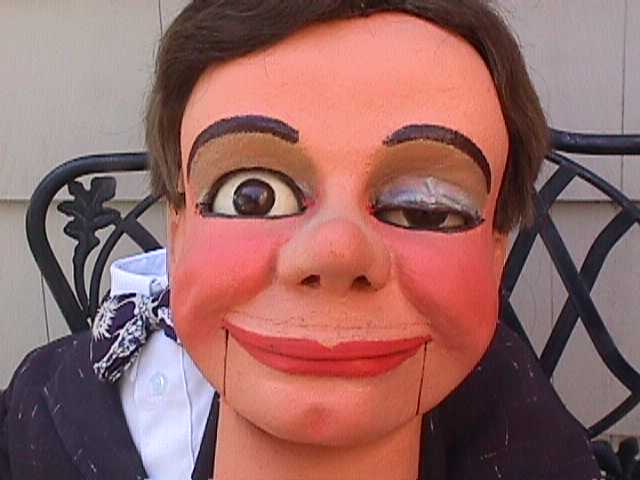
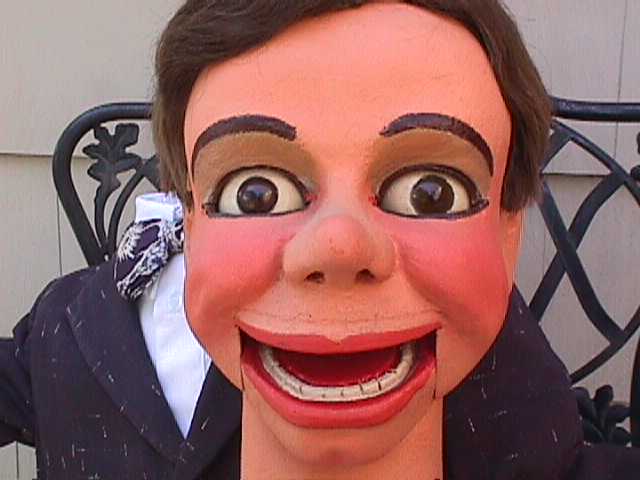
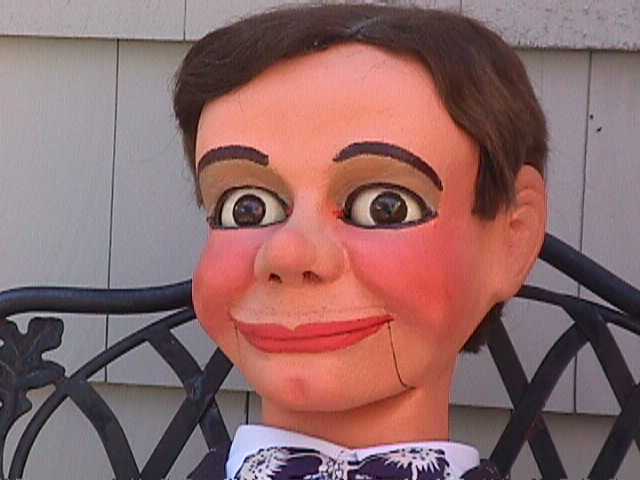
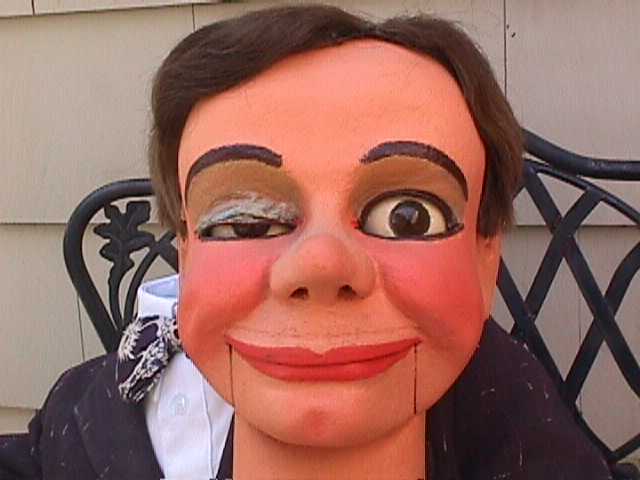
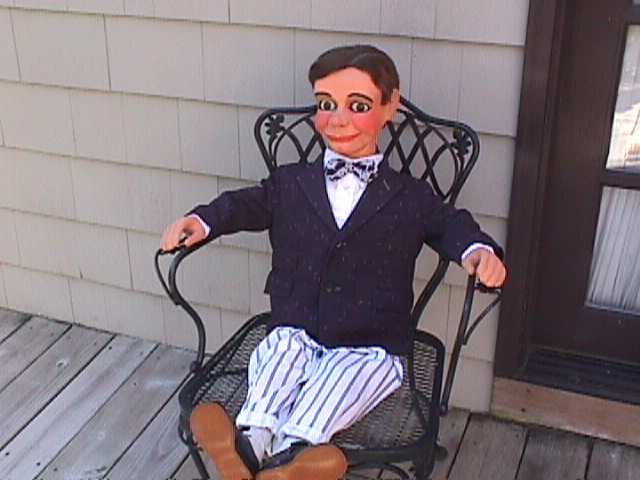
Archie 10 photographs
- Movements
- slot jaw / moving mouth; self-centering eyes; winkers
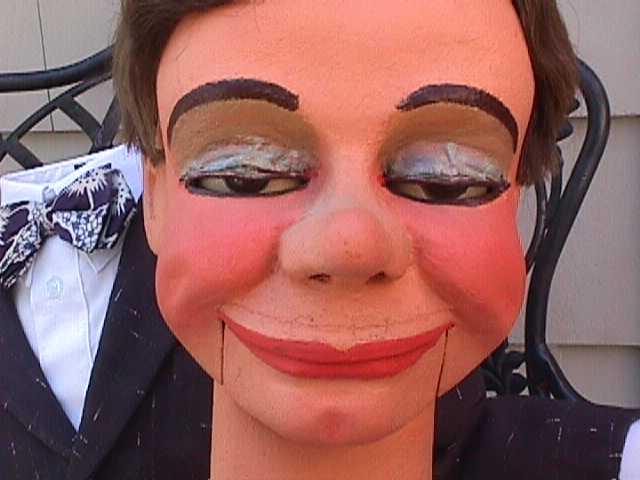
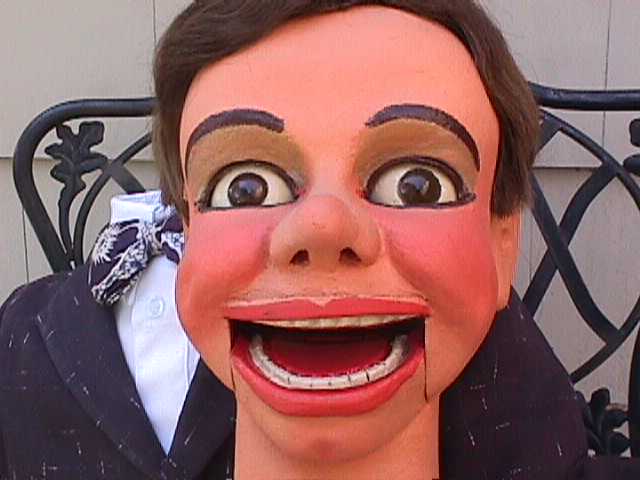
Johnny Main's Waldo 3 photographs
- Movements
- slot jaw / moving mouth; self-centering eyes; winkers; raising eyebrows
- Dates given
- 1959
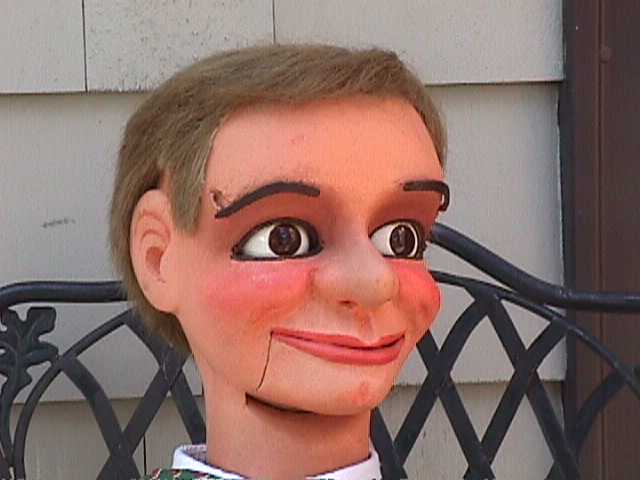
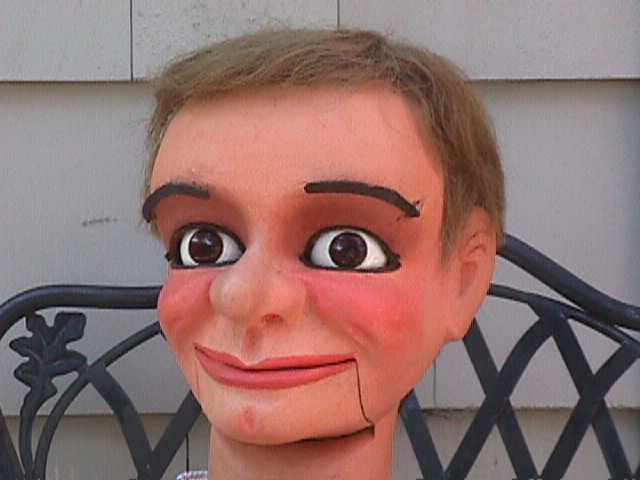
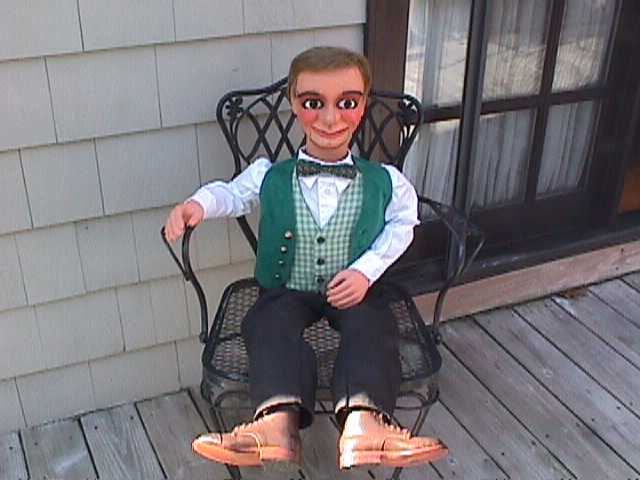
McElroy 1 photograph
- Materials
- carved wood
- Dates given
- 1930; 1953
Recorded owner famous ventriloquist Bob Neller as stated on the source page when it was written — not current ownership
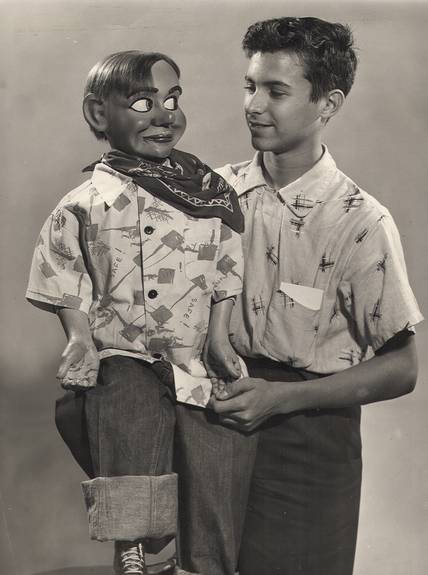
Freshy 1 photograph
- Movements
- slot jaw / moving mouth; self-centering eyes
- Dates given
- 1950
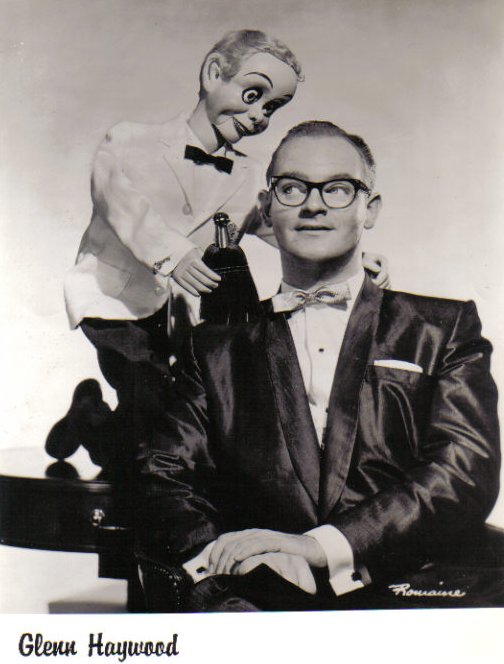
Mickey O' Finn 11 photographs
- Movements
- slot jaw / moving mouth; side-to-side eyes
- Dates given
- 1950
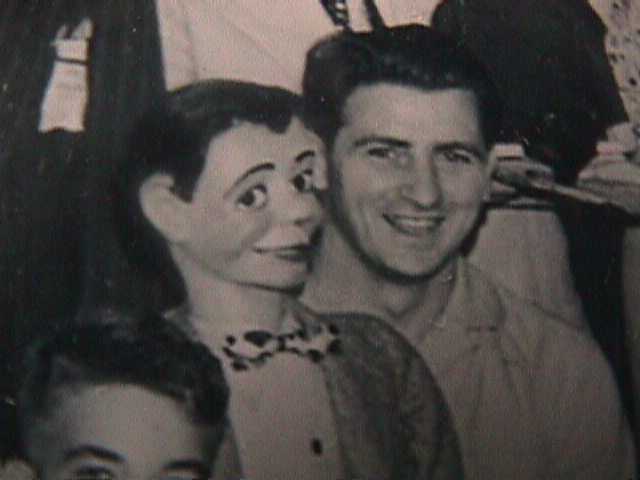
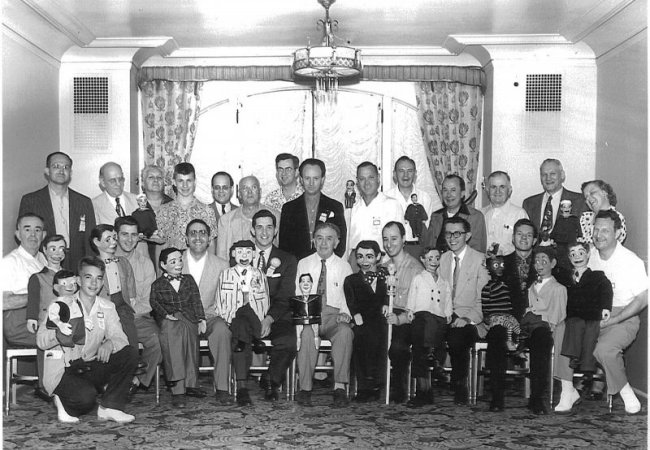
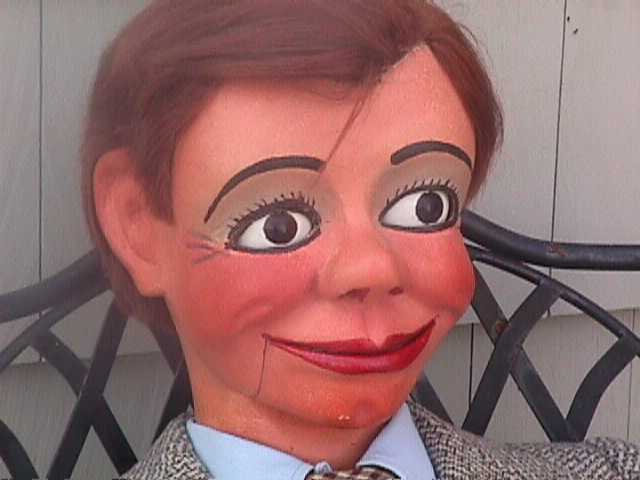
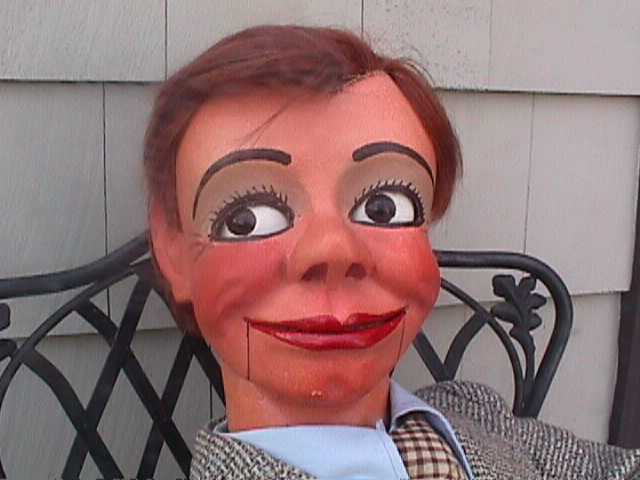
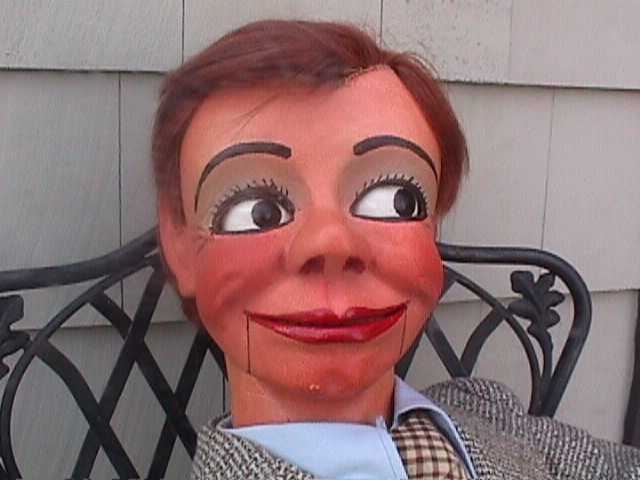
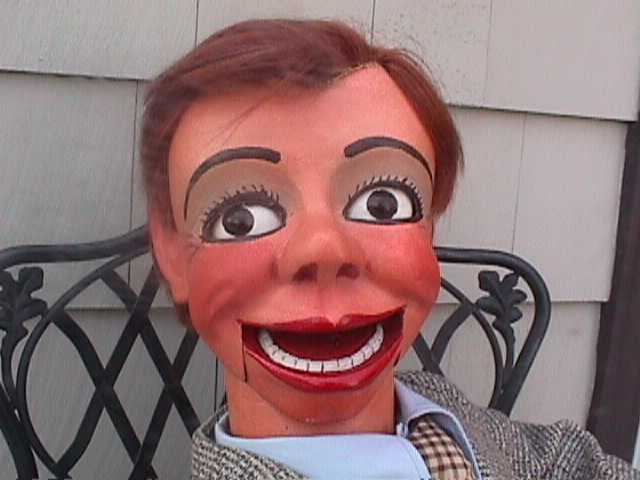
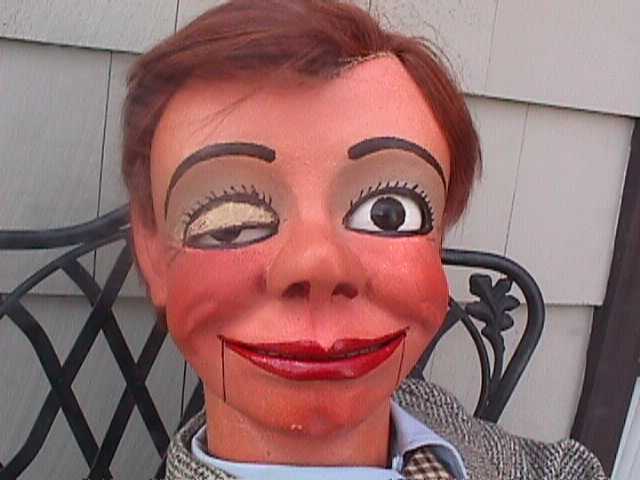
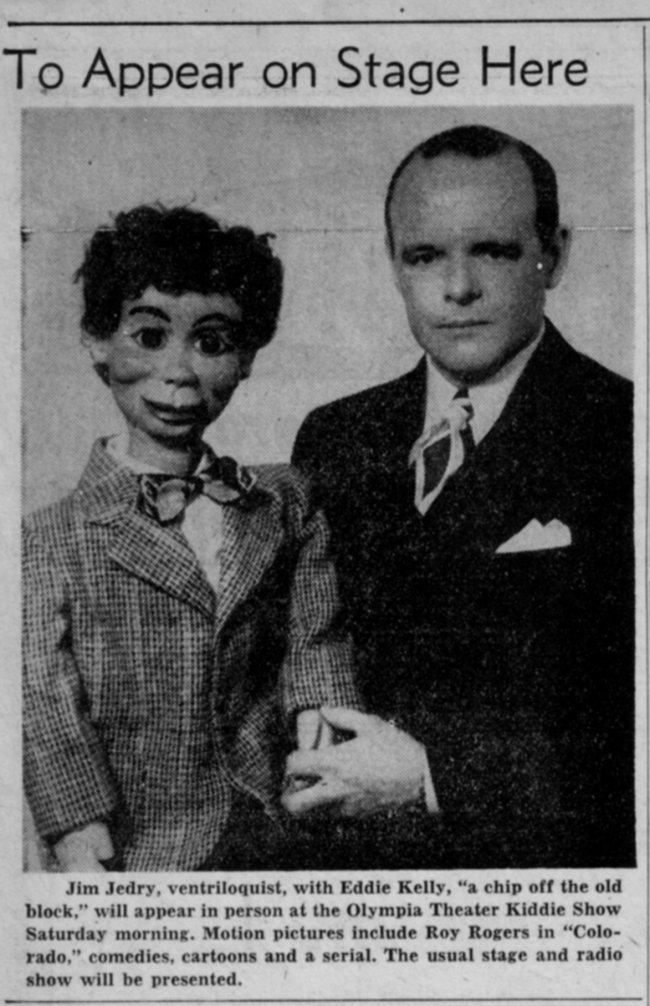
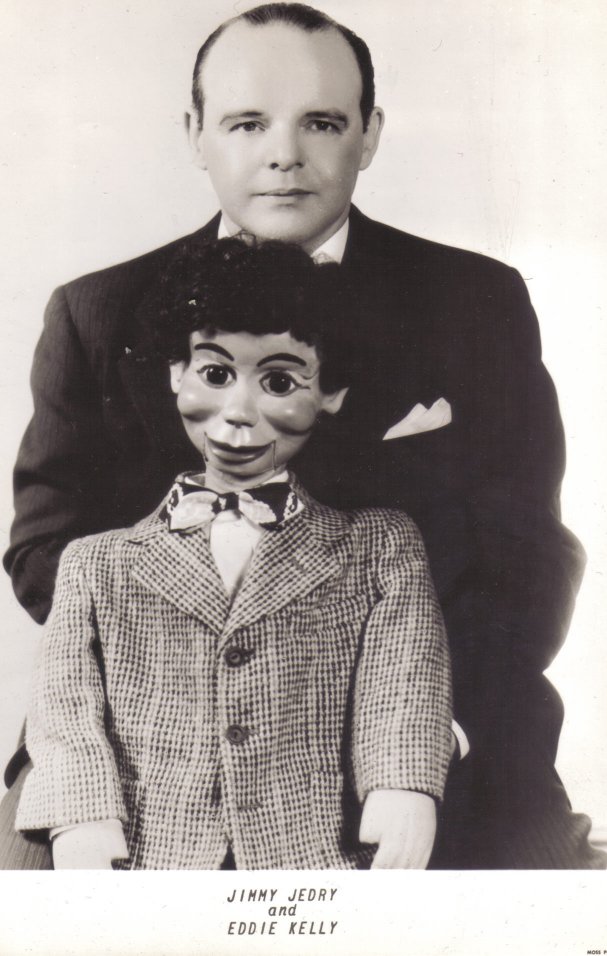
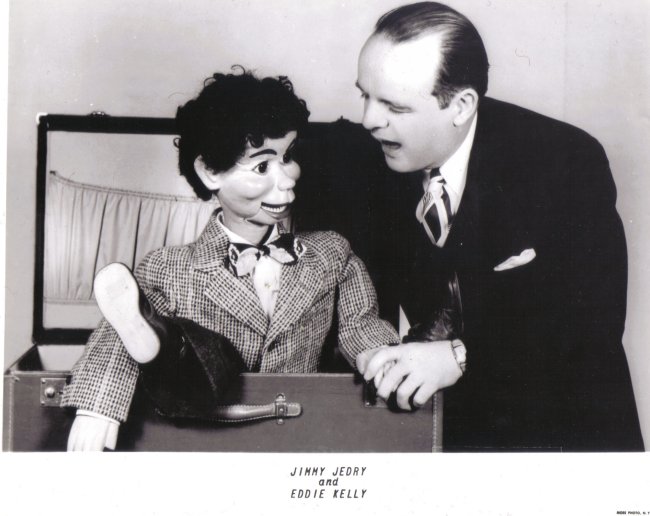
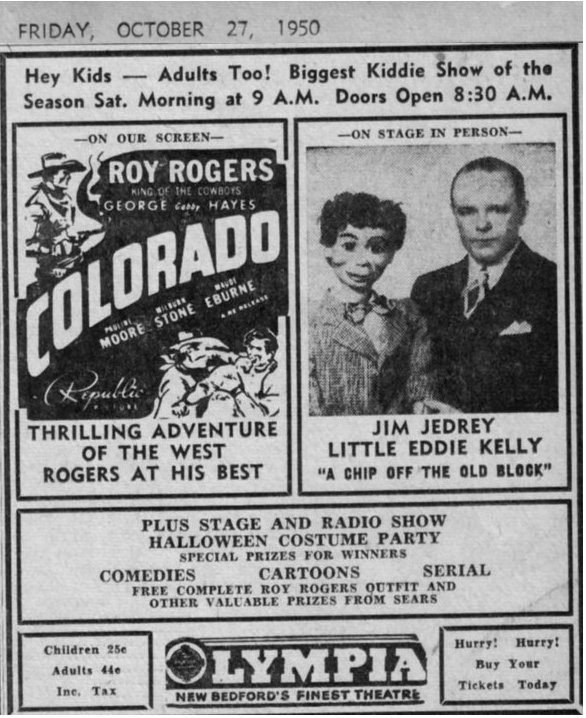
Jim Jedry and Little Eddie Kelly 16 photographs
- Movements
- slot jaw / moving mouth; side-to-side eyes; raising eyebrows
- Dates given
- 1948
Recorded owner ventriloquist Jimmy Jedry. He as stated on the source page when it was written — not current ownership
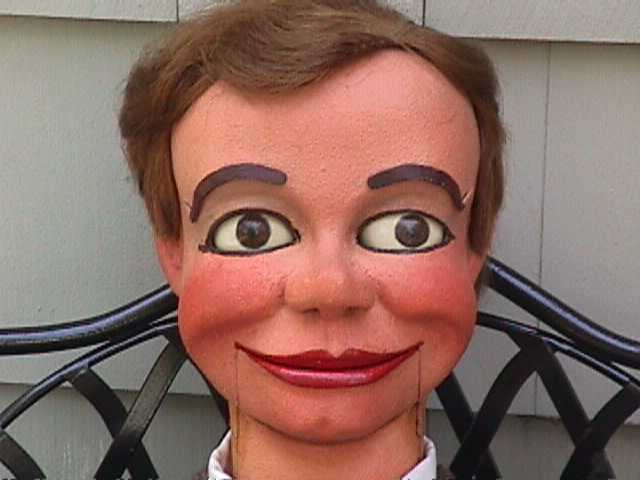
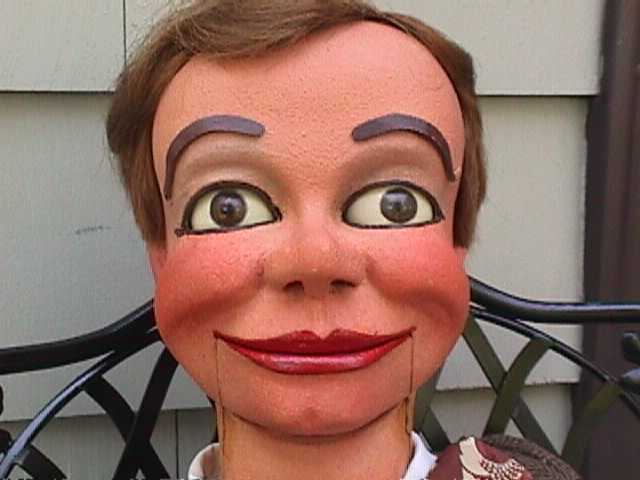
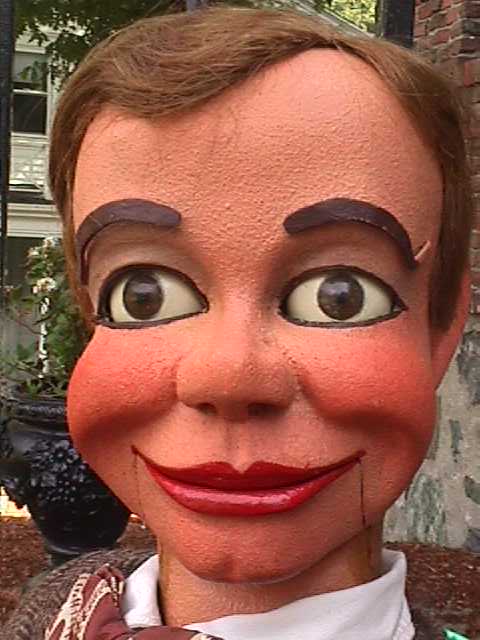
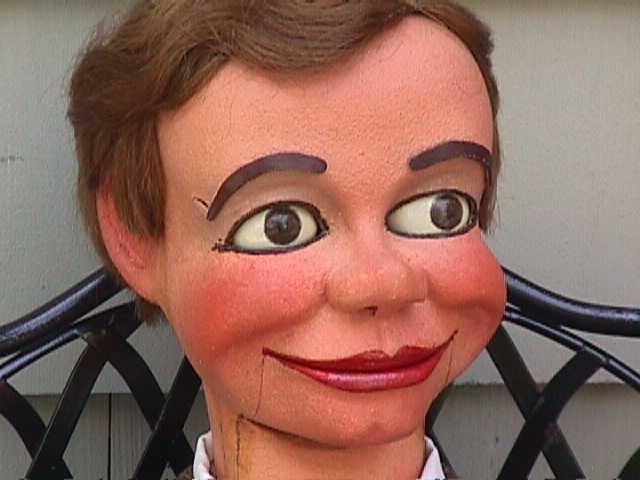
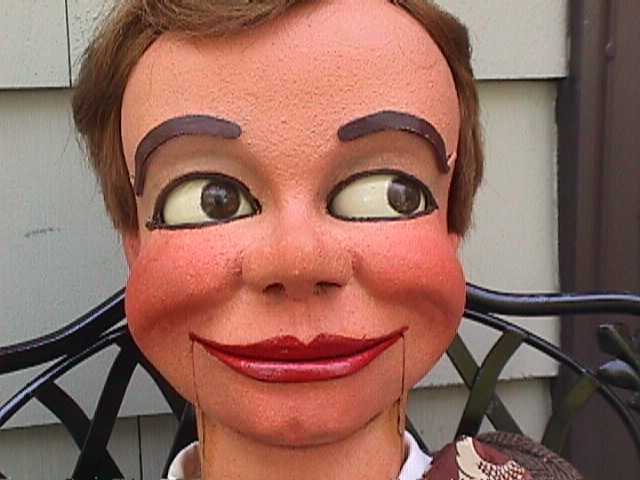
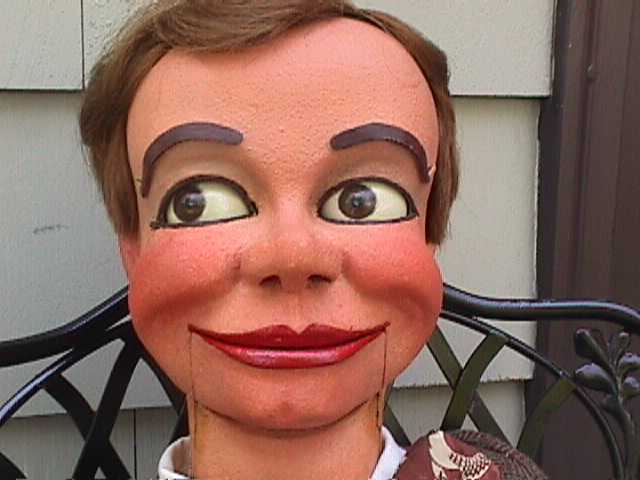
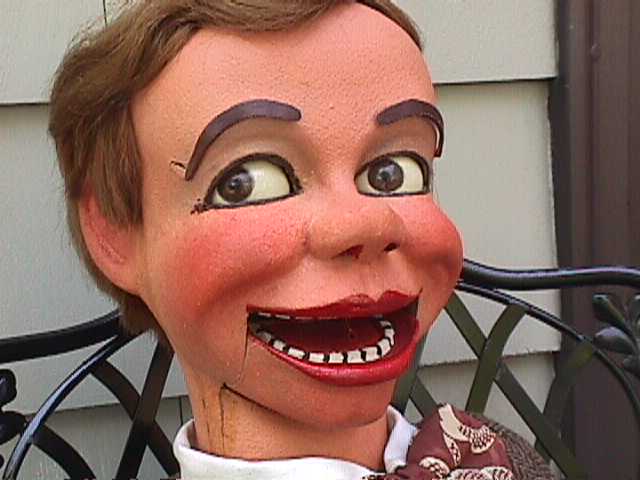
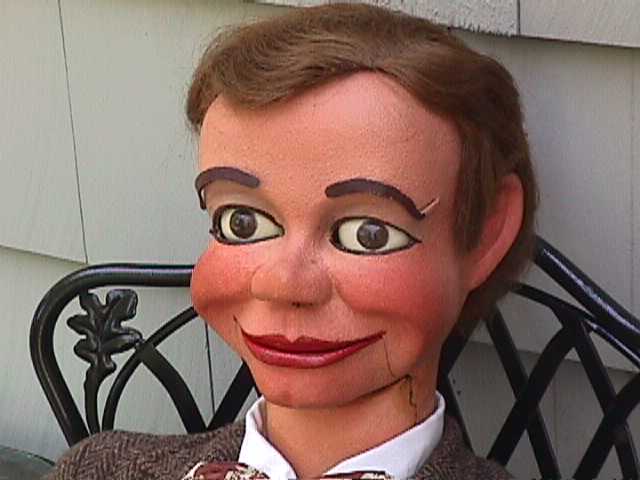
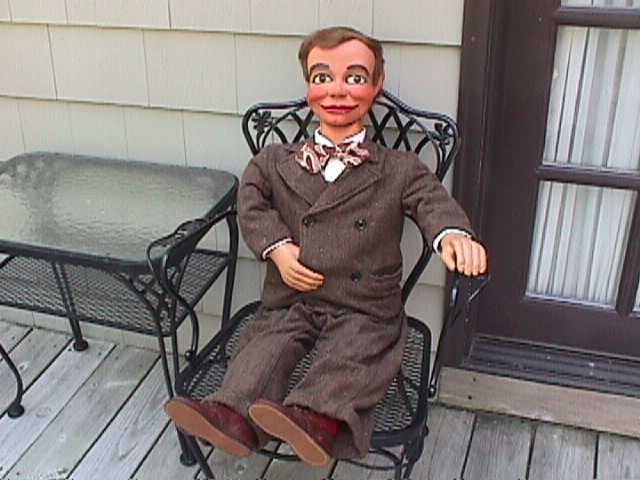
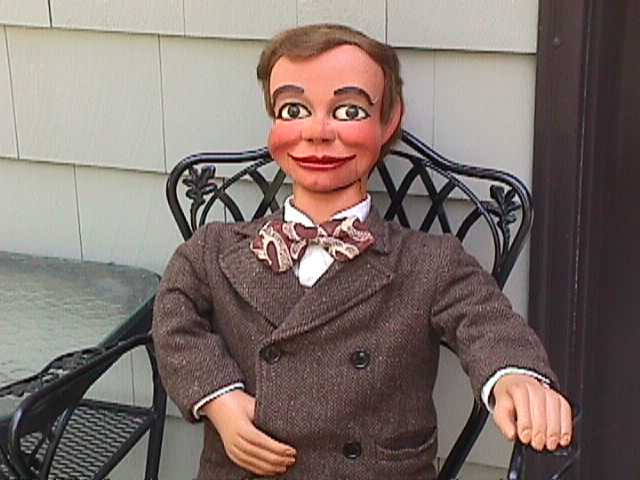
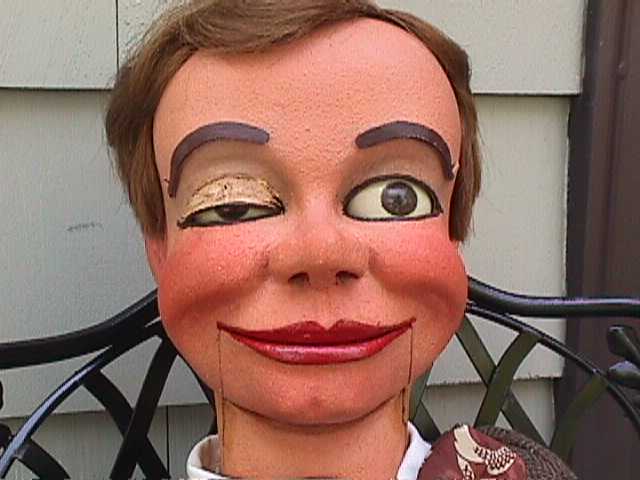
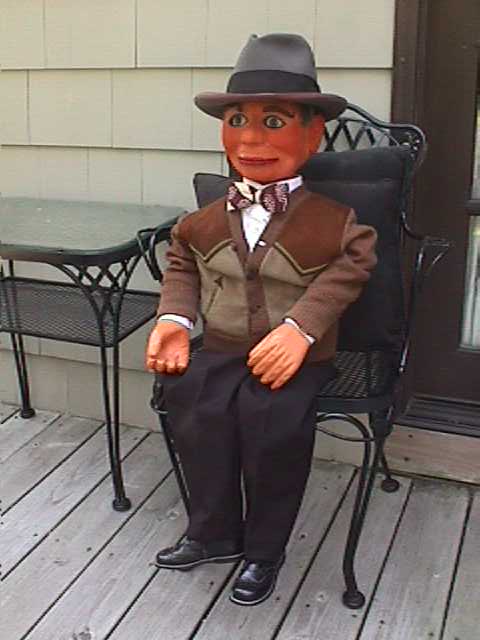
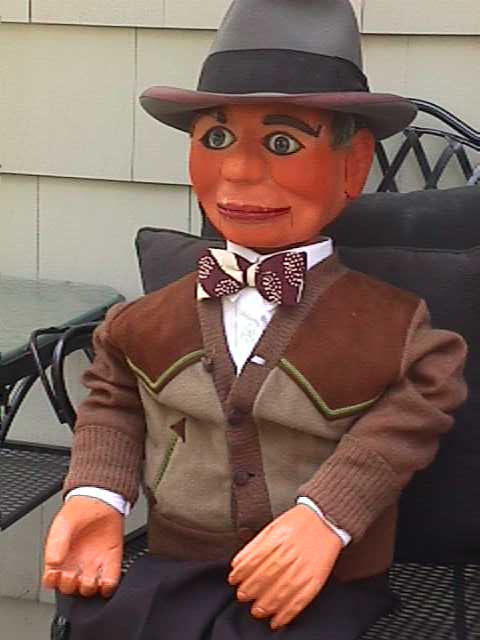
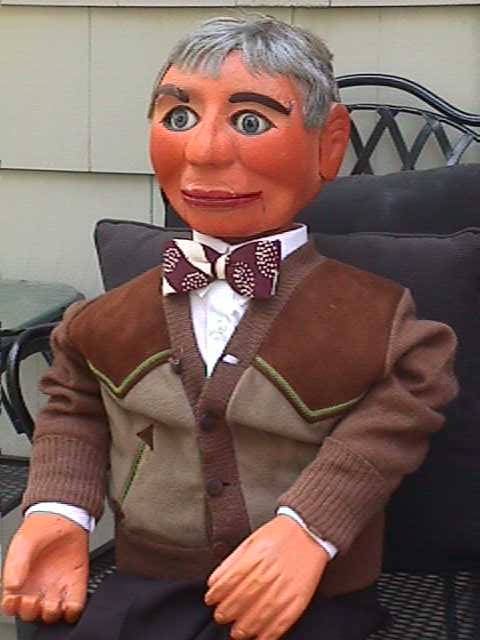
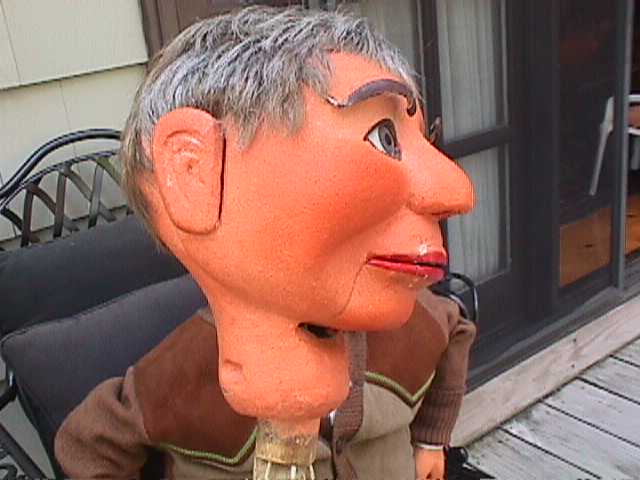
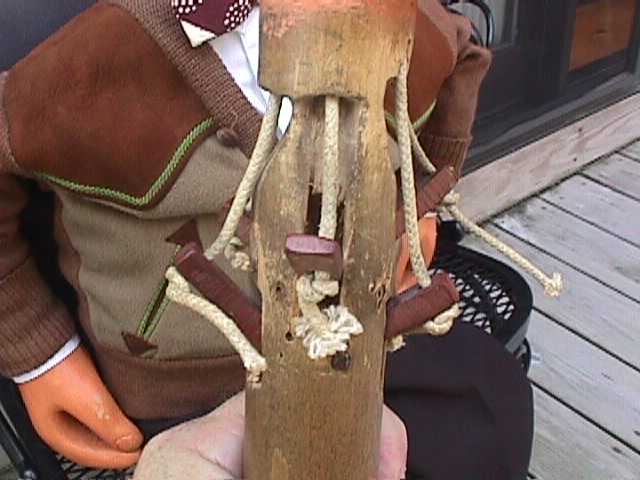
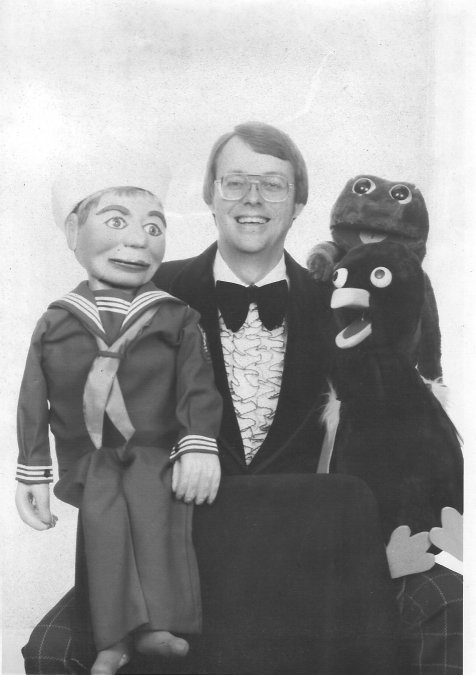
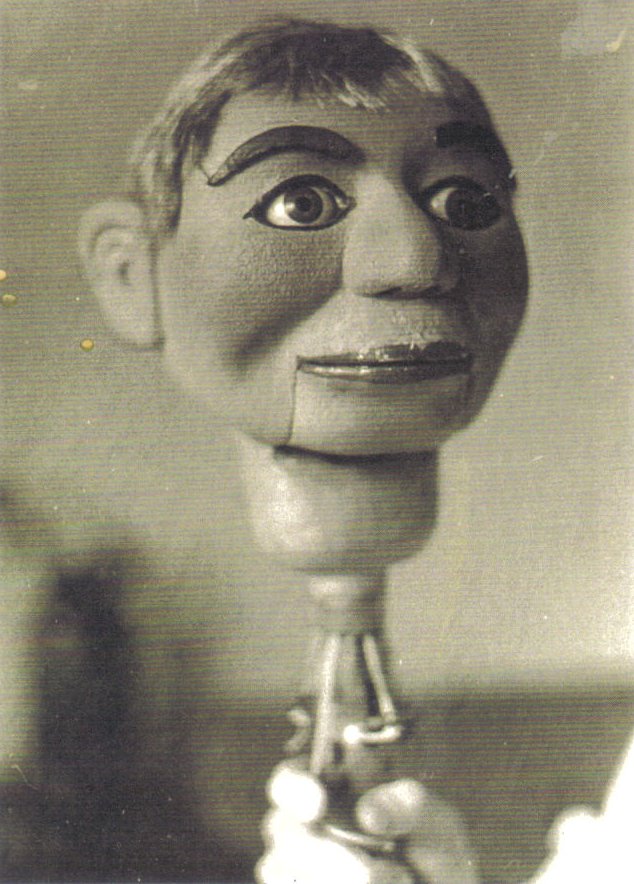
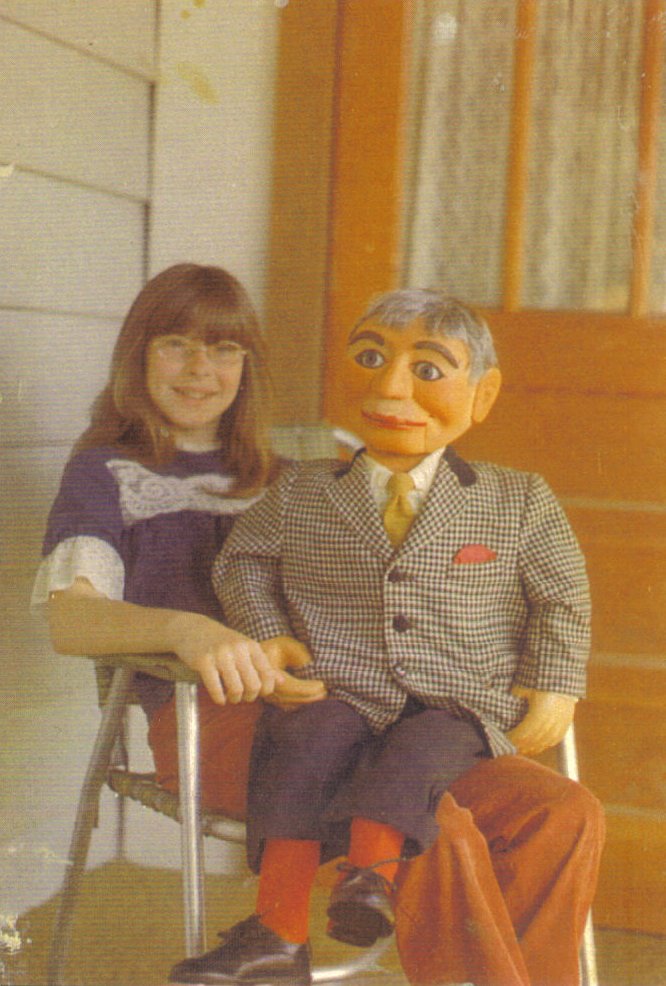
Dan Price with Theodore, Barney and Dudley 18 photographs
- Materials
- glass eyes
- Movements
- slot jaw / moving mouth; raising eyebrows
- Dates given
- 1931; 1950; 1970; 1976
Recorded owner Joe Lopez back in; the minister in Florida as stated on the source page when it was written — not current ownership
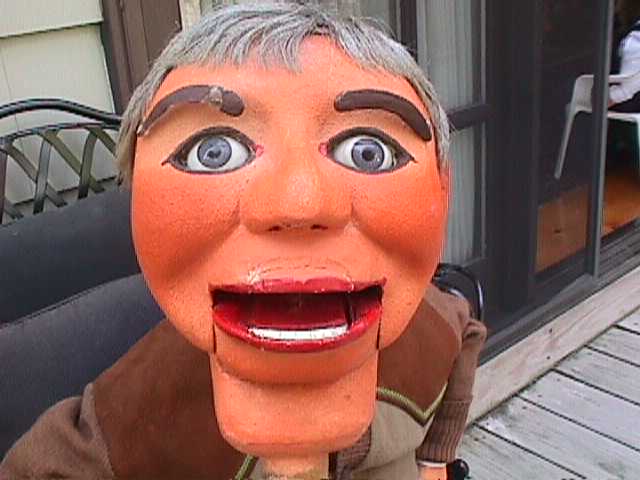
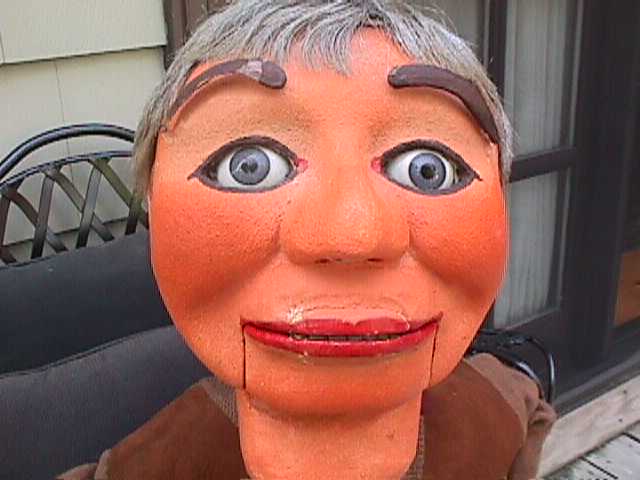
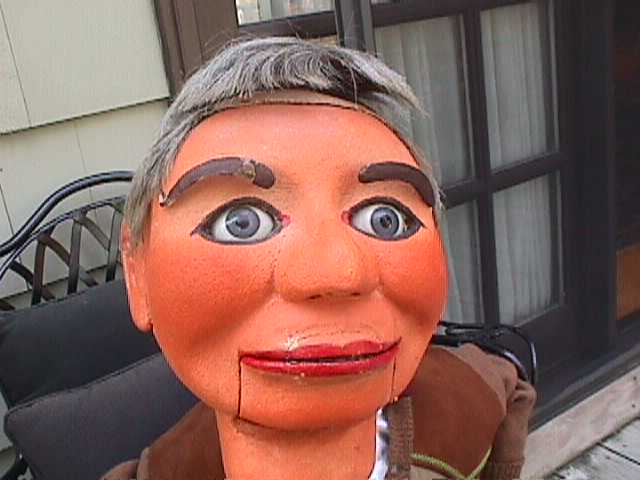
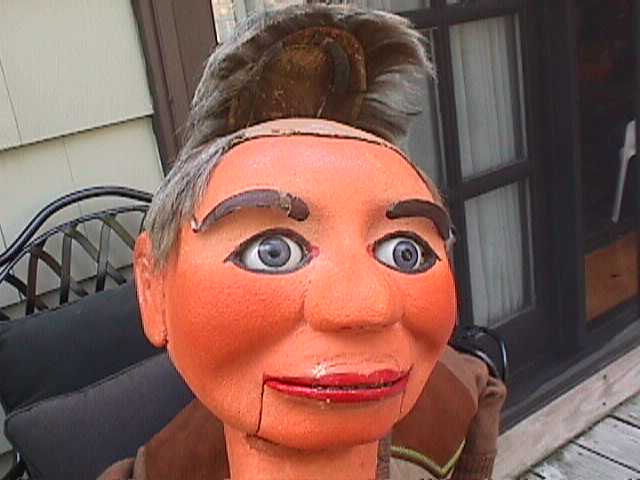
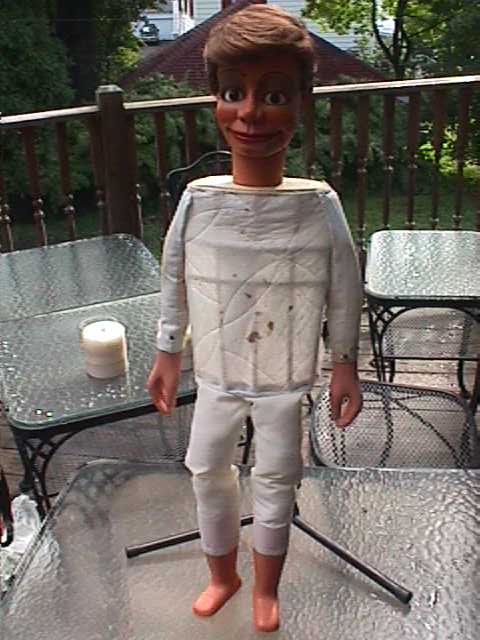
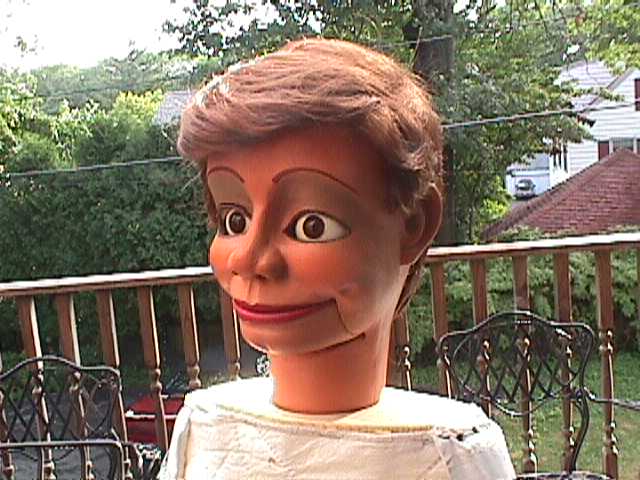
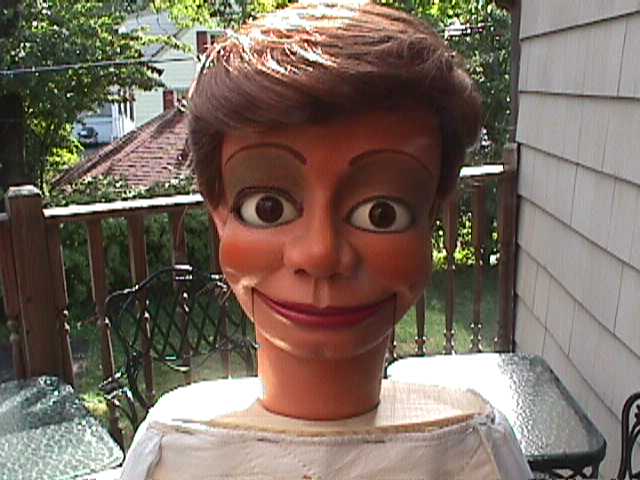
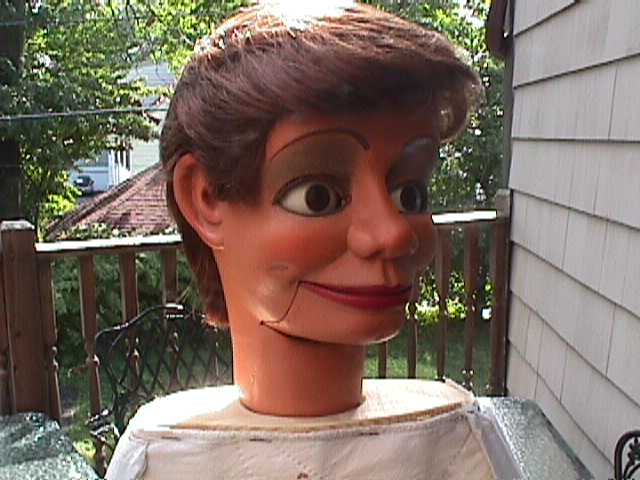
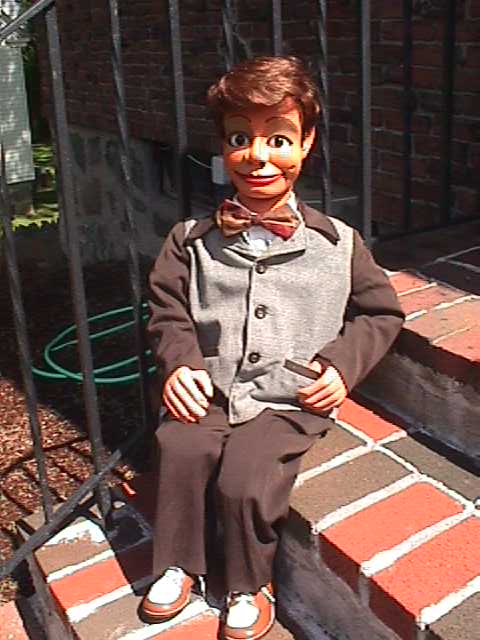
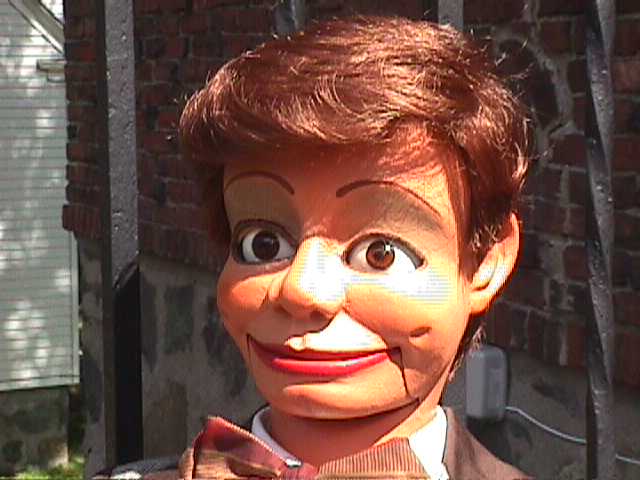
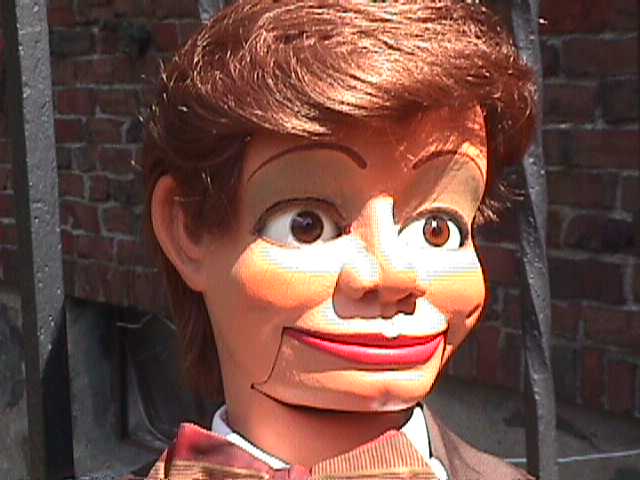
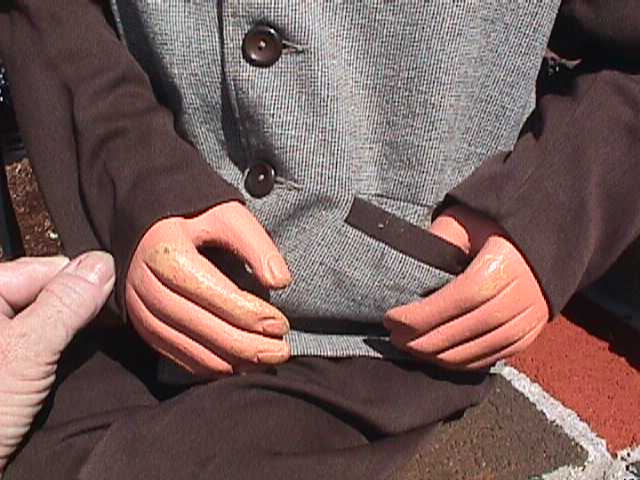
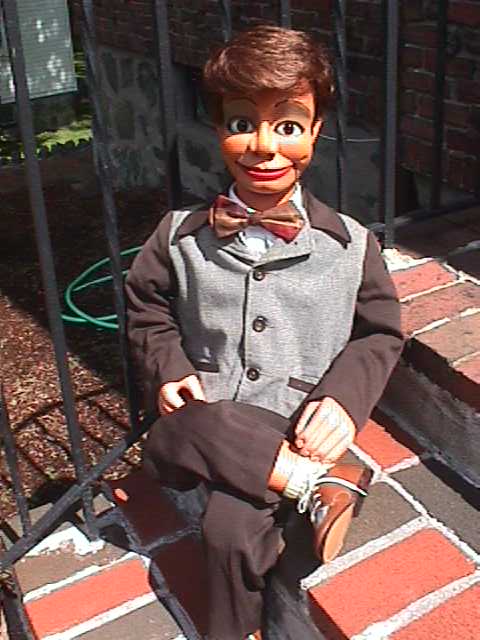
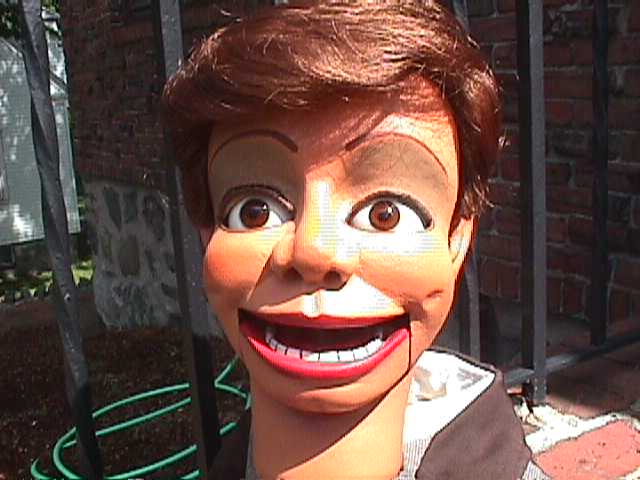
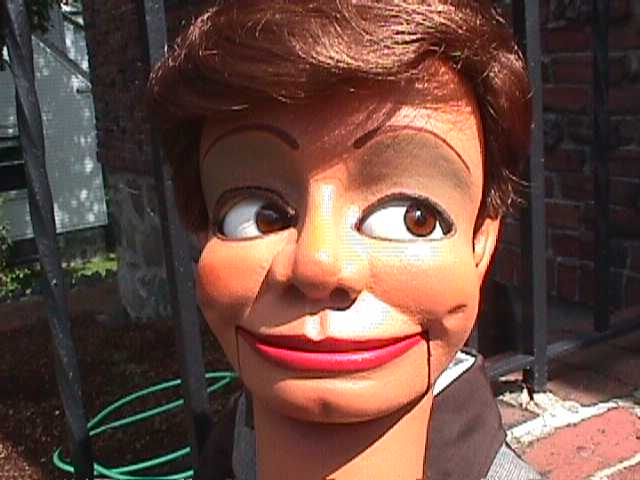
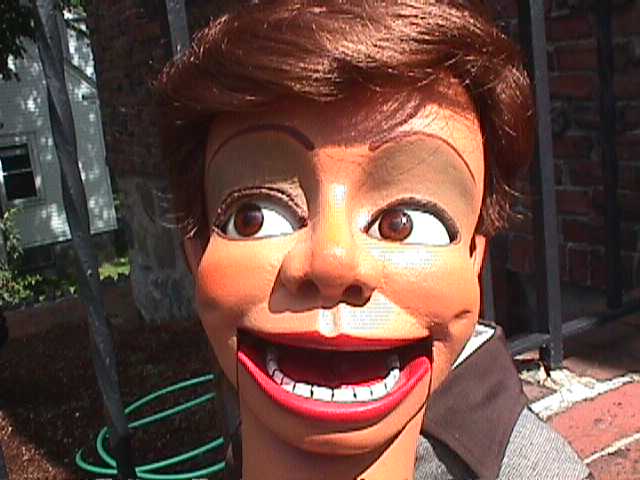
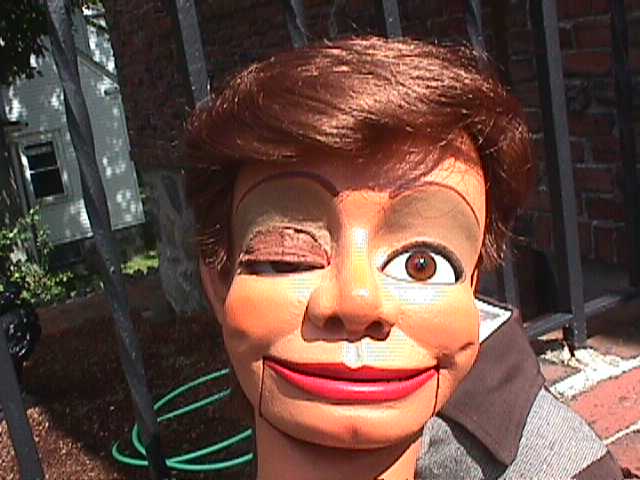
Cod Performer 15 photographs
- Movements
- slot jaw / moving mouth; self-centering eyes
- Dates given
- 1906; 1940; 1950; 1953; 1990
Recorded owner Canfield Smith Canfield Smith as stated on the source page when it was written — not current ownership
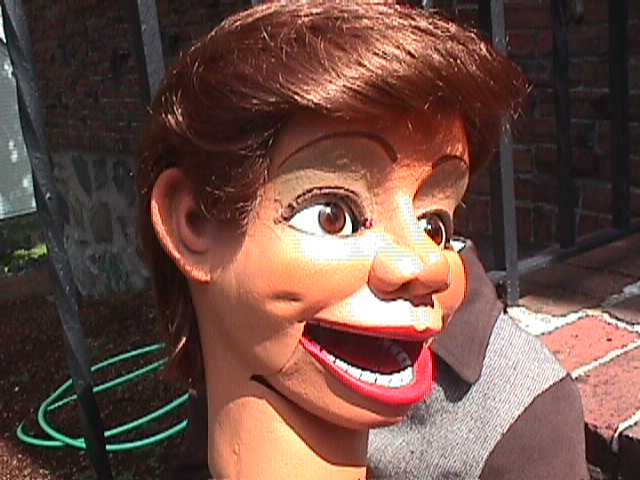
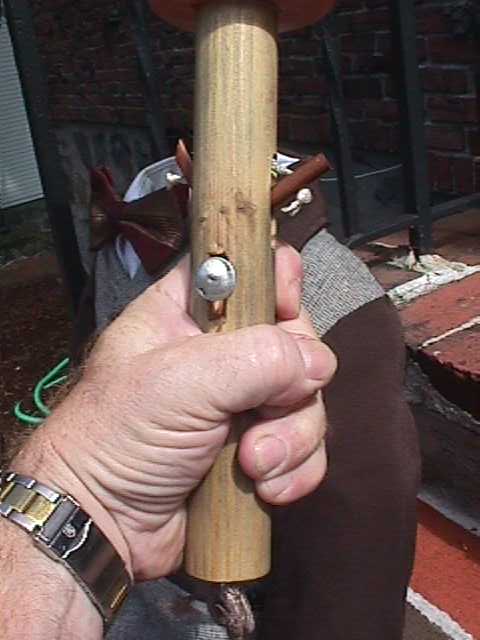
Marionettes 1 photograph
- Size
- 18"; 18"
- Dates given
- 1931
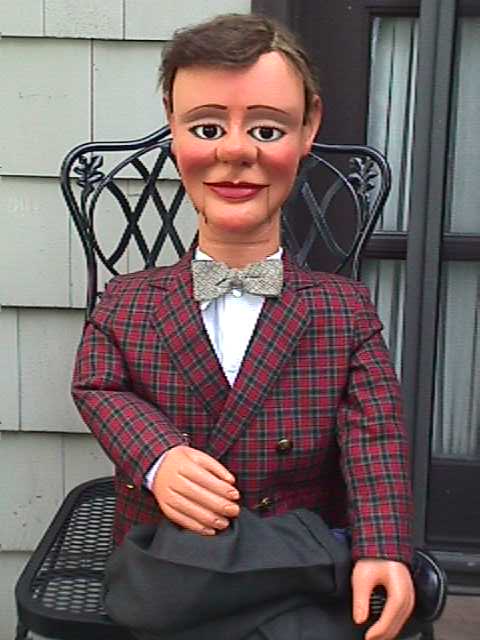
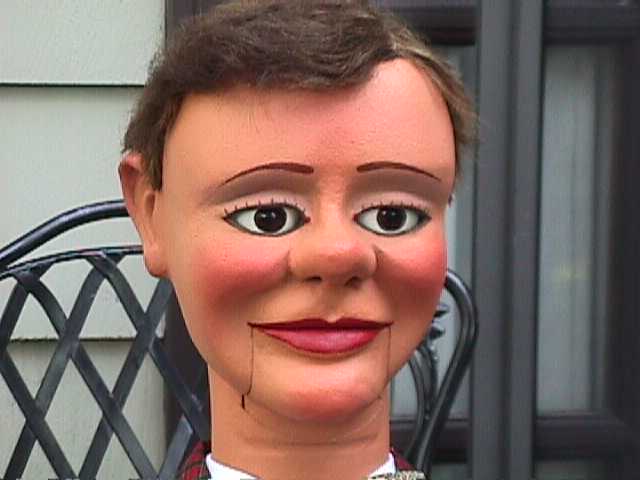
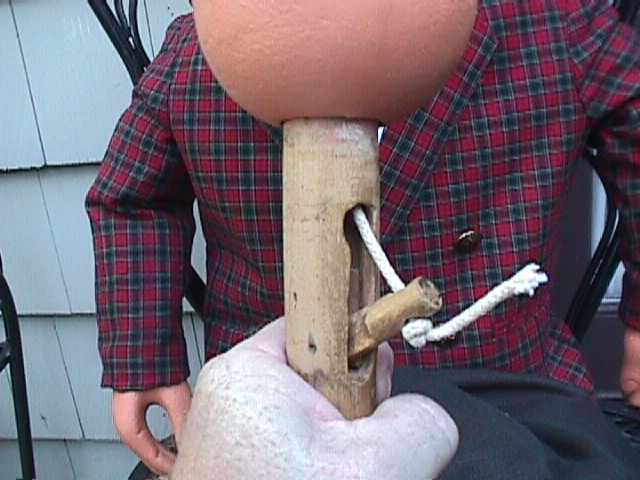
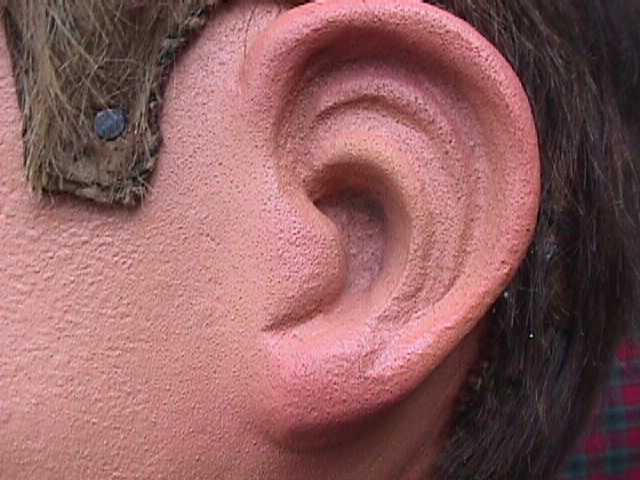
Bernie Birchwood 12 photographs
- Size
- 40"
- Materials
- leather
- Movements
- head stick
- Dates given
- 1950; 1960
Recorded owner Ventriloquist Central Collection as stated on the source page when it was written — not current ownership
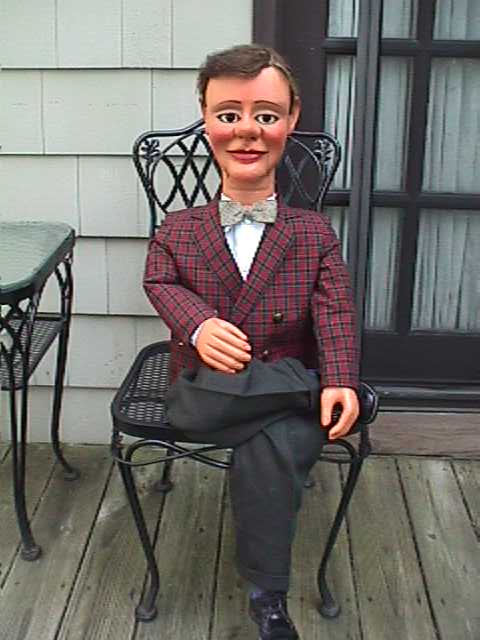
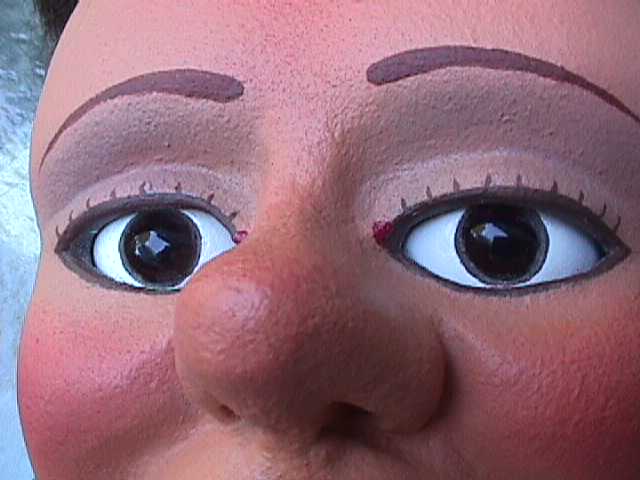
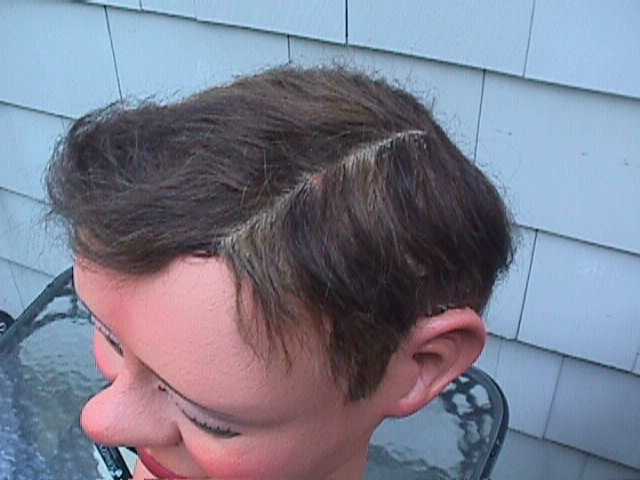
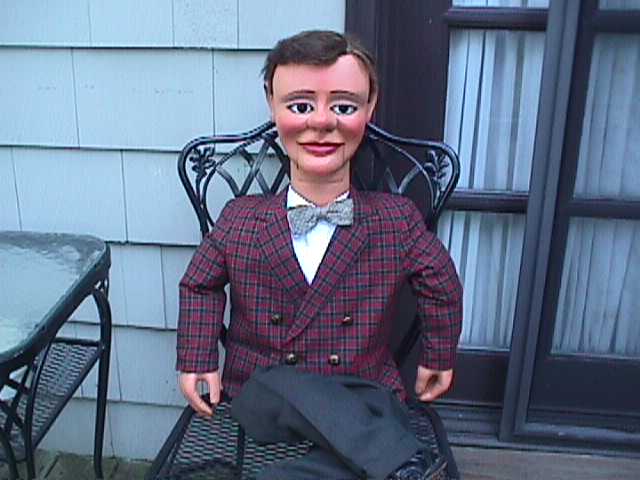
Mickey 5 photographs
- Materials
- leather
- Movements
- slot jaw / moving mouth
- Dates given
- 1930
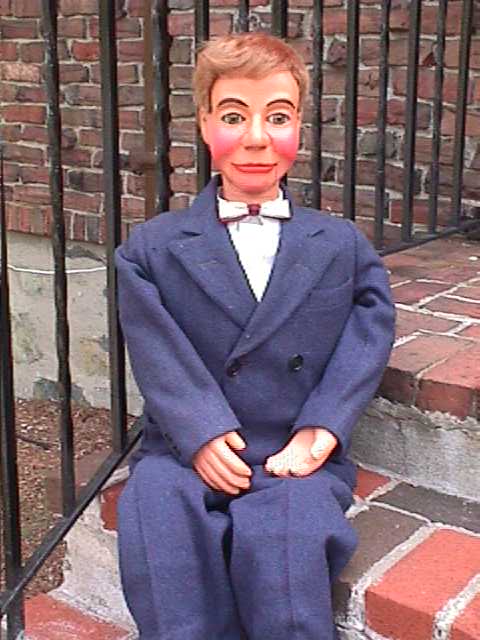
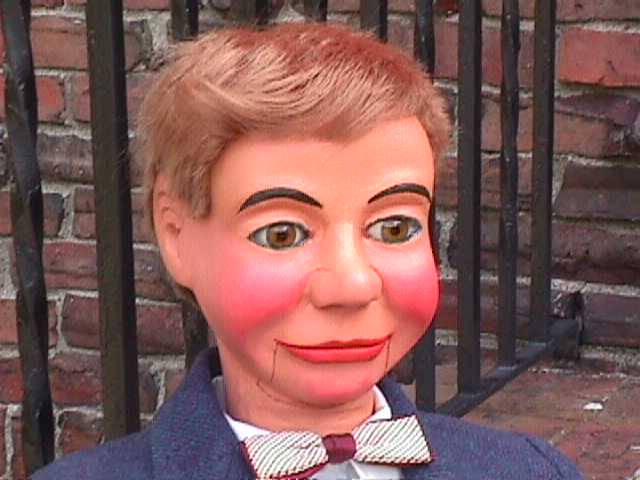
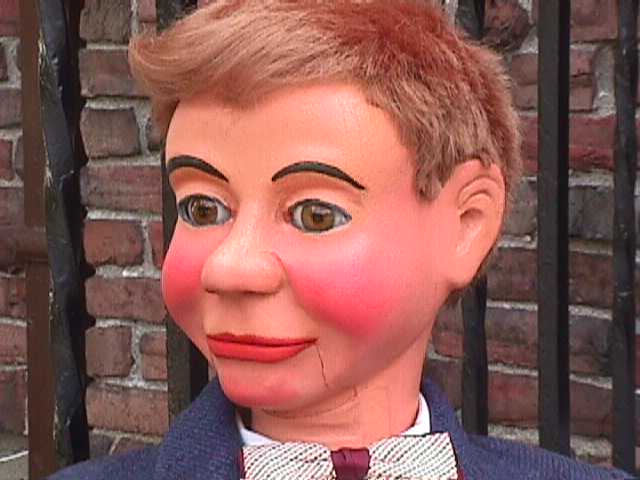
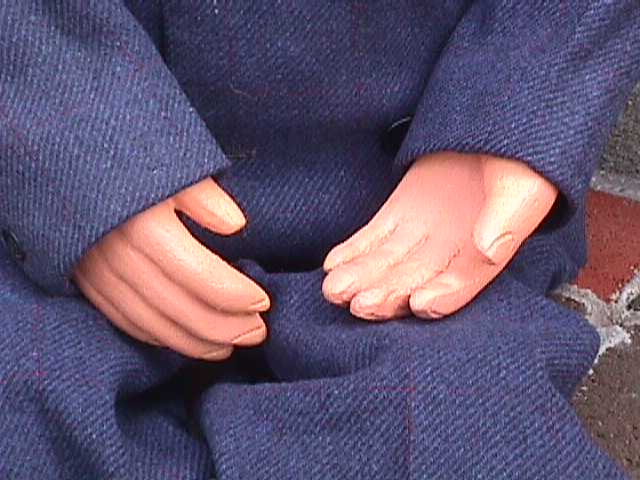
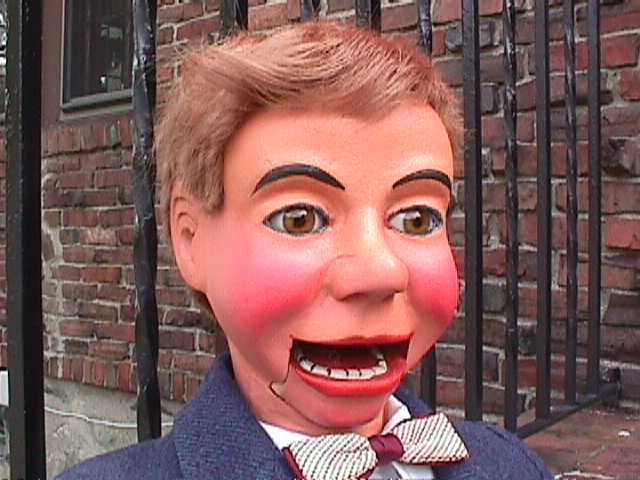
Early 1940's 10 photographs
- Movements
- slot jaw / moving mouth; winkers
- Dates given
- 1940
Recorded owner Ventriloquist Central Collection; Marshall. This figure originally as stated on the source page when it was written — not current ownership
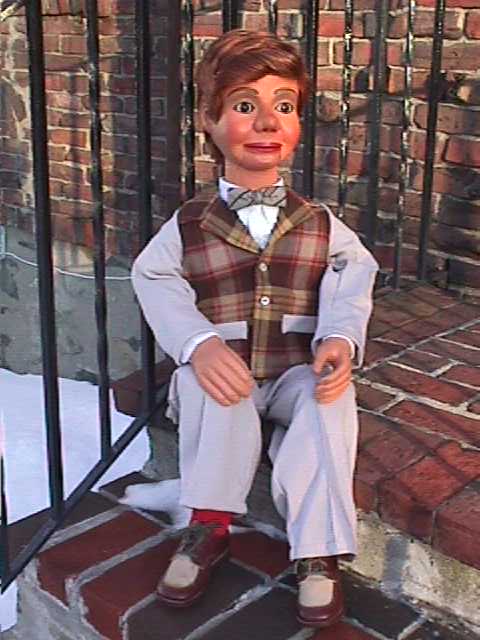
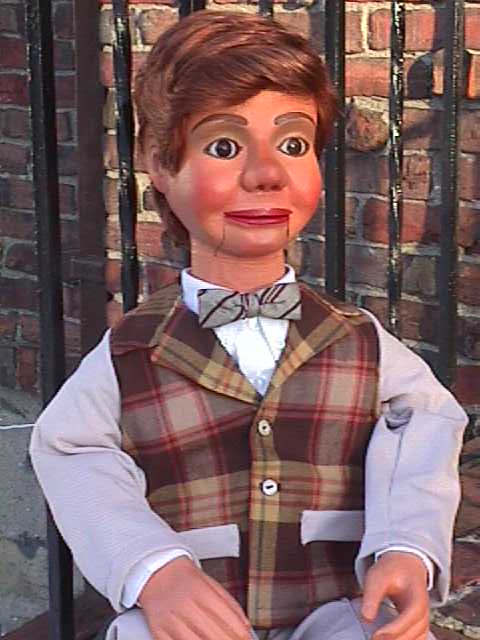
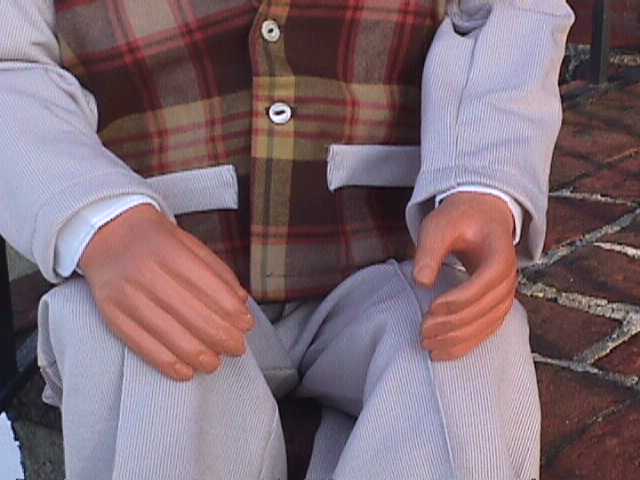
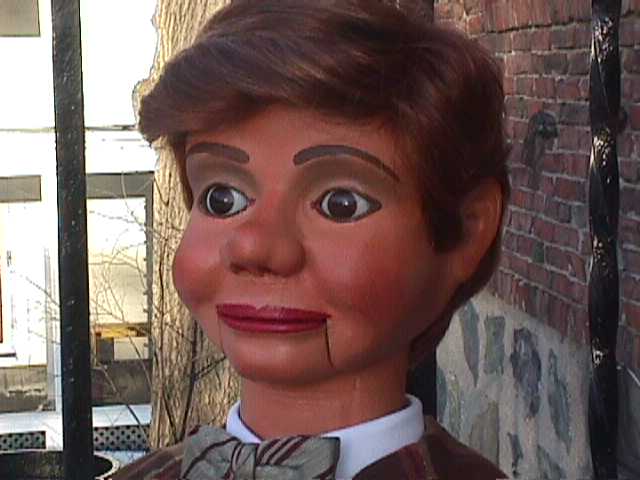
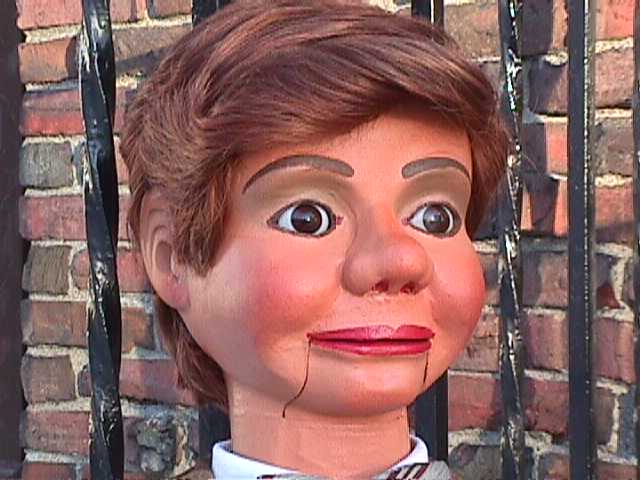
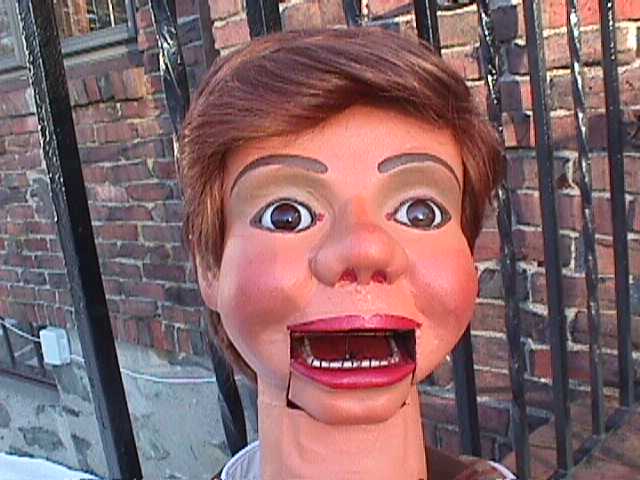
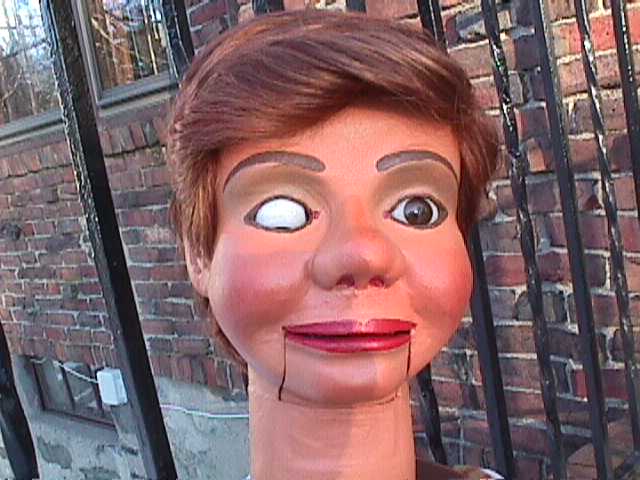
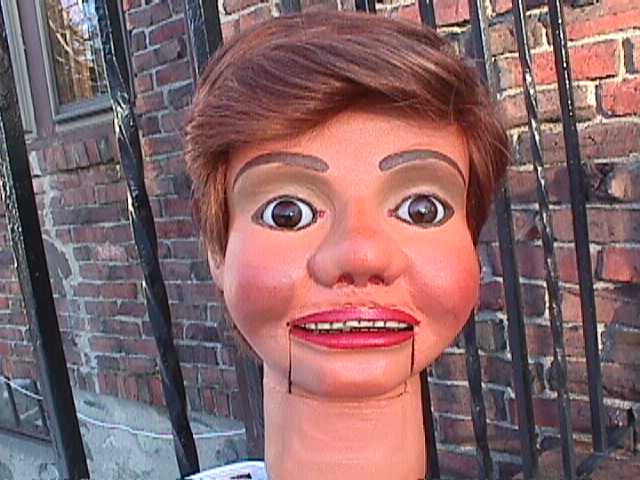
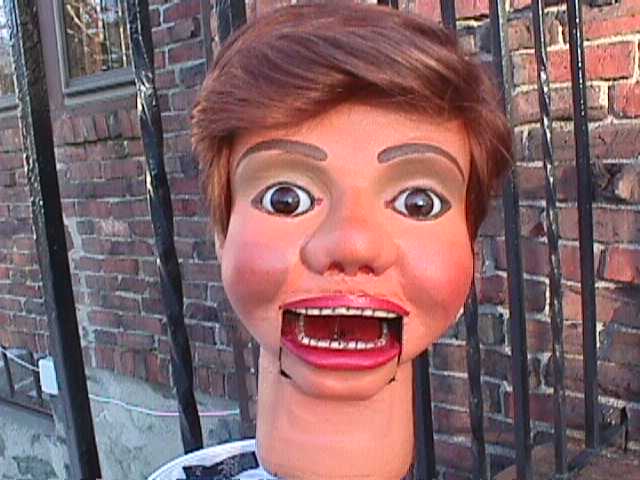
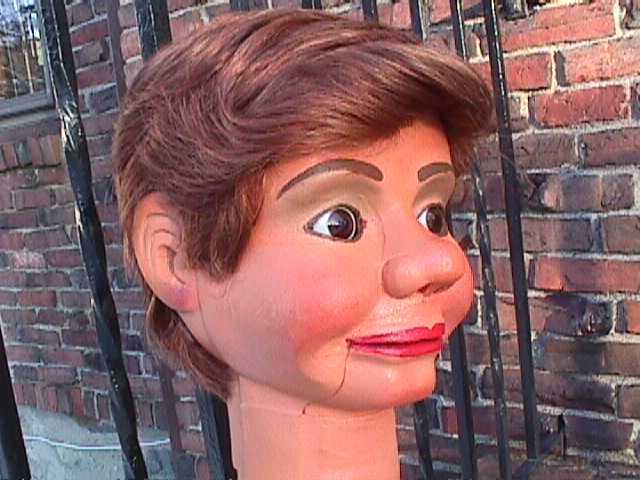
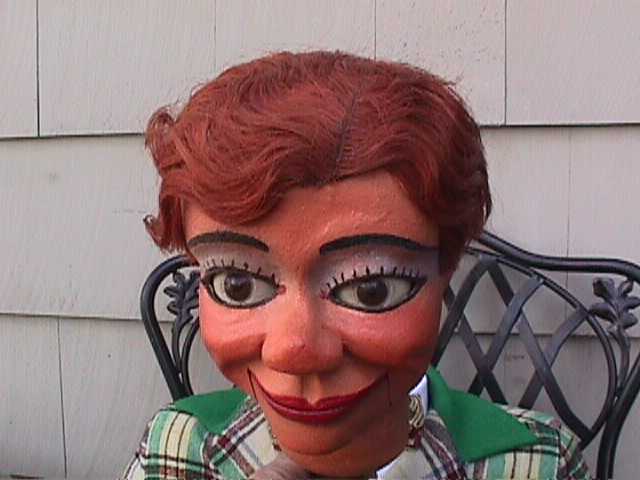
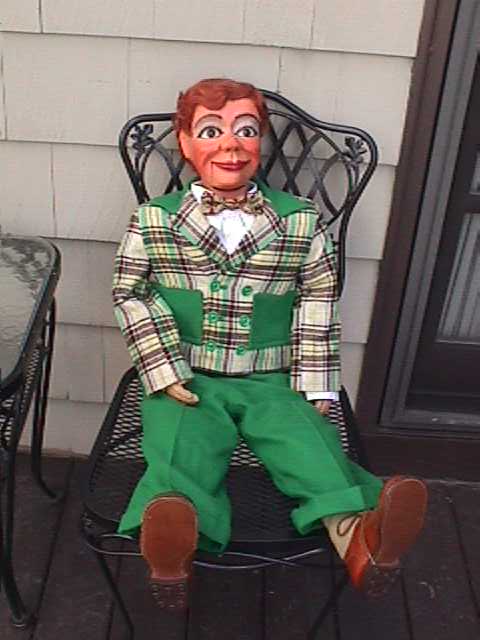
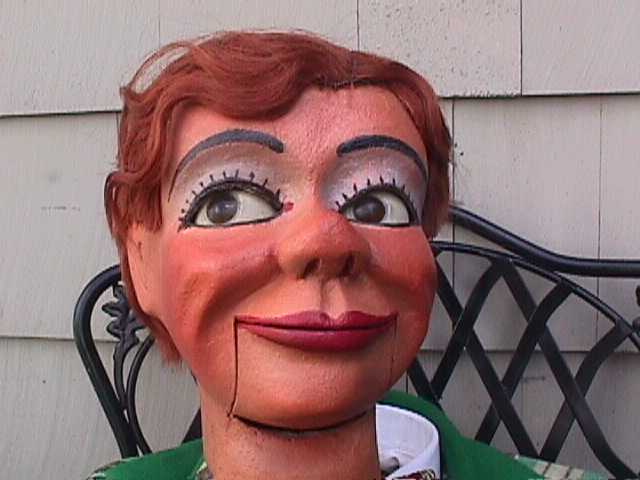
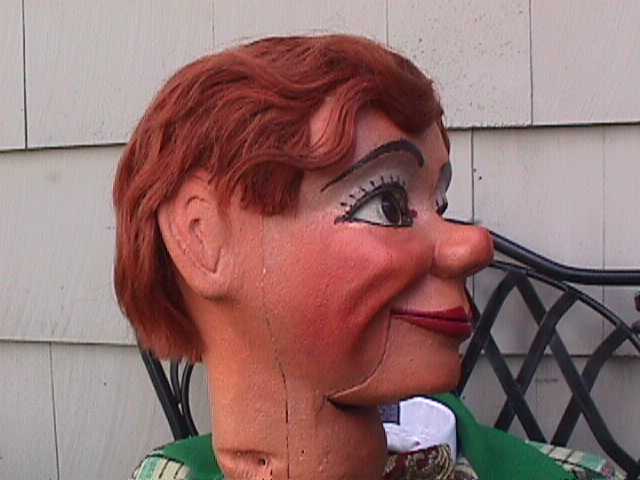
1930's Nosey 10 photographs
- Size
- 38"
- Movements
- slot jaw / moving mouth; self-centering eyes; winkers
- Dates given
- 1930
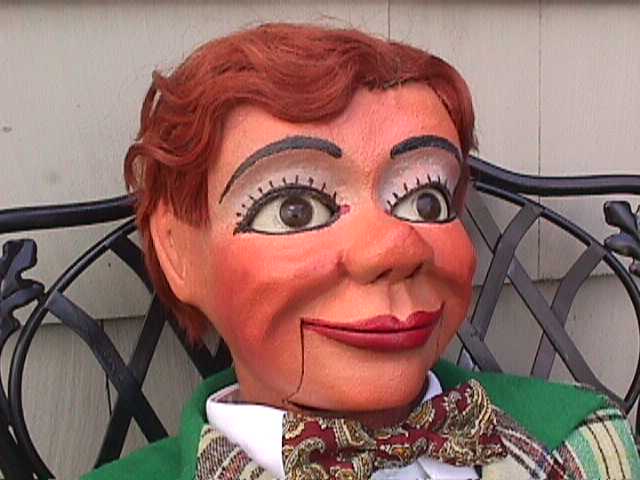
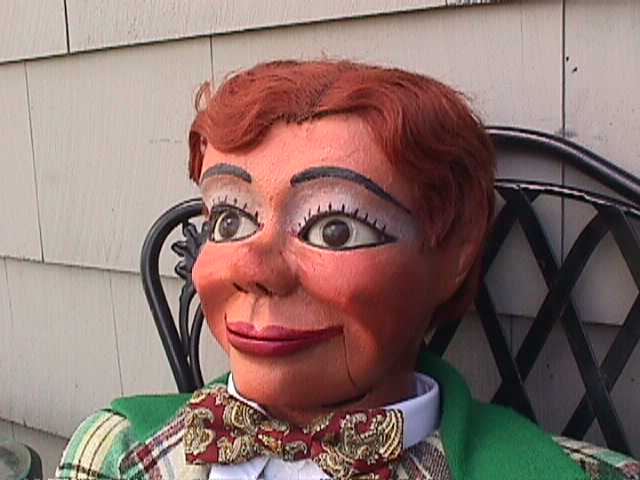
A Classic 7 photographs
- Size
- 40"
- Movements
- slot jaw / moving mouth; head stick
- Dates given
- 1930
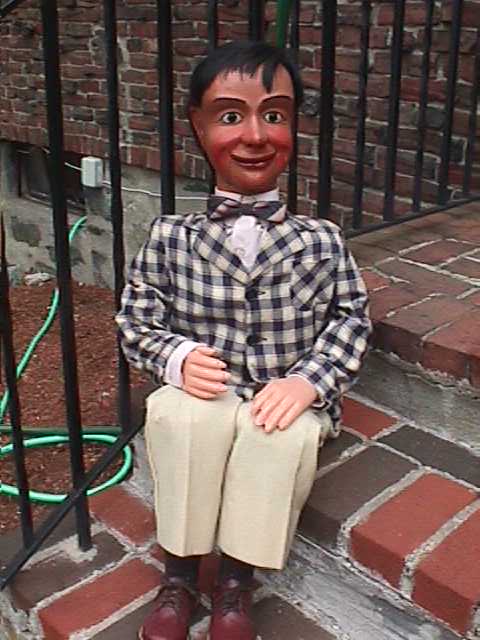
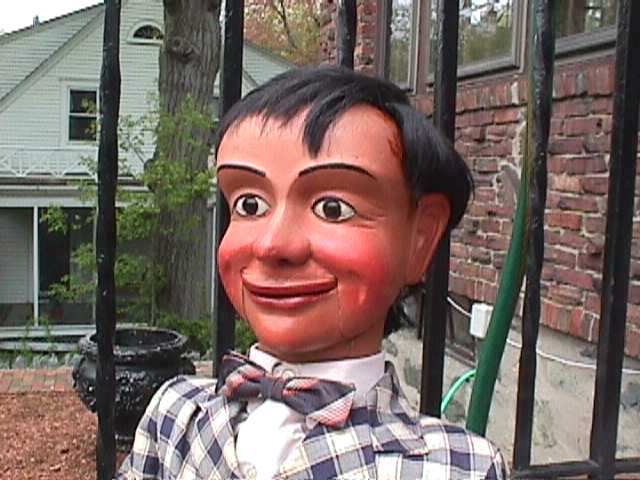
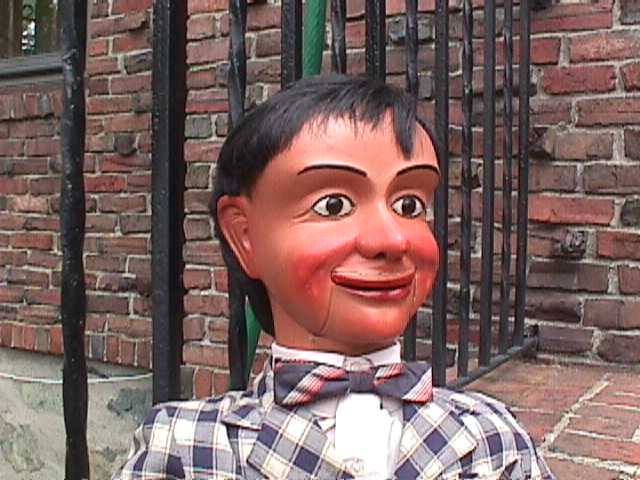
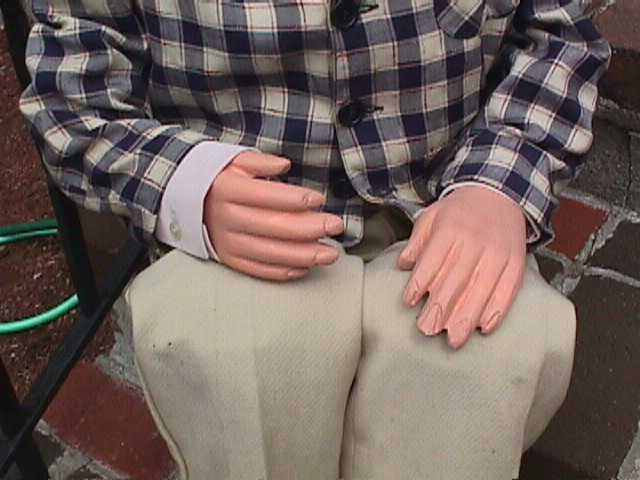
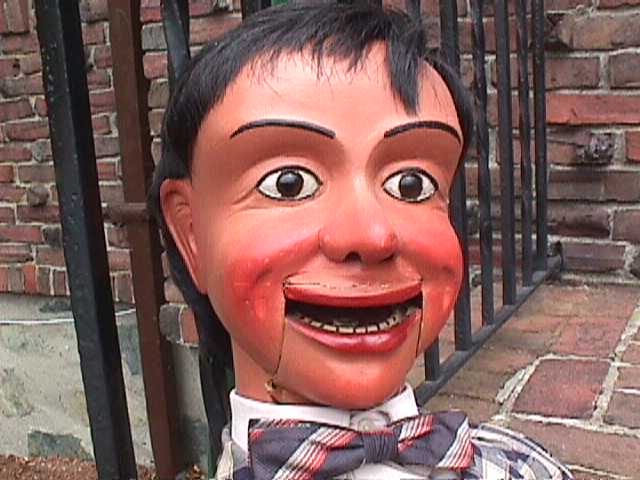
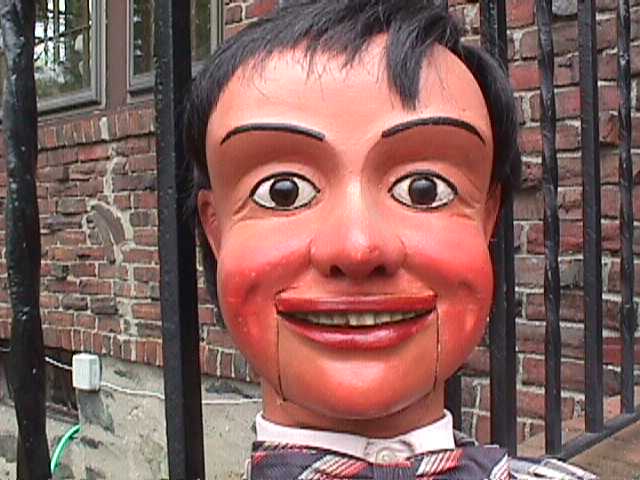
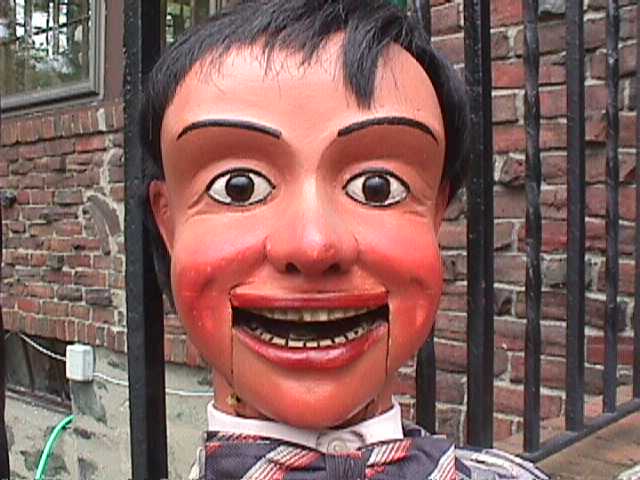
A Black 7 photographs
- Size
- 40 inches
- Movements
- slot jaw / moving mouth; side-to-side eyes; head stick
- Dates given
- 1931
Recorded owner Ventriloquist Central Collection as stated on the source page when it was written — not current ownership
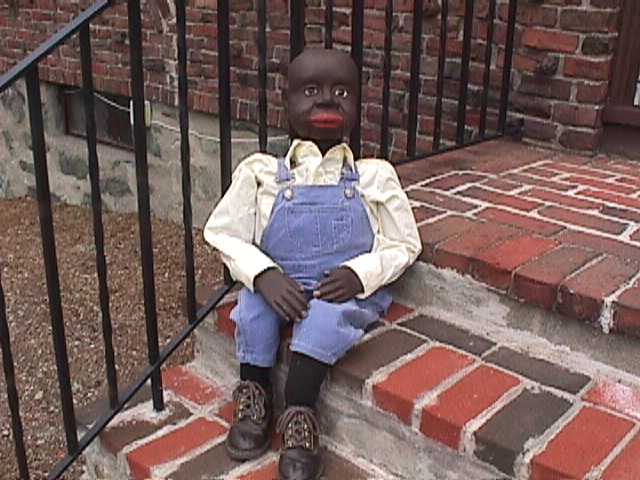
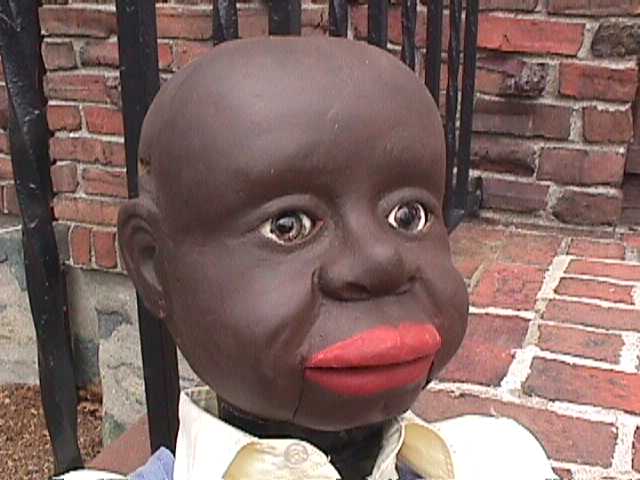
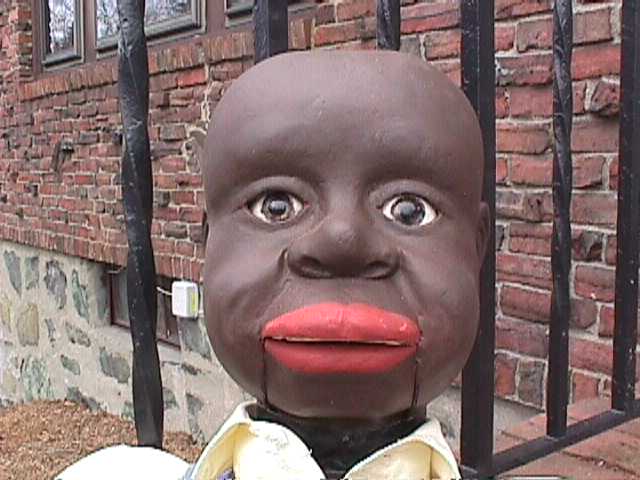
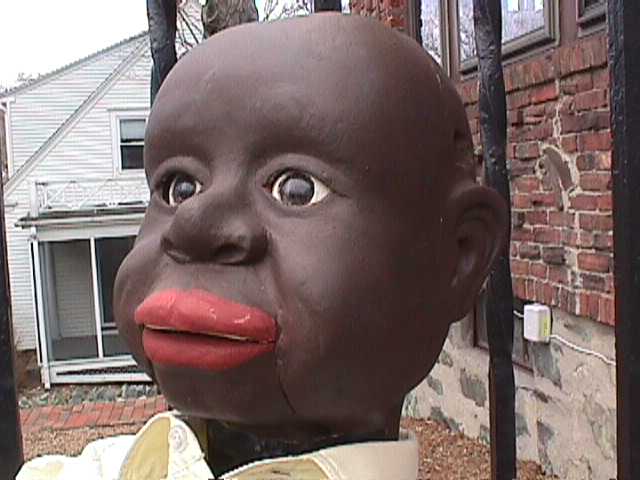
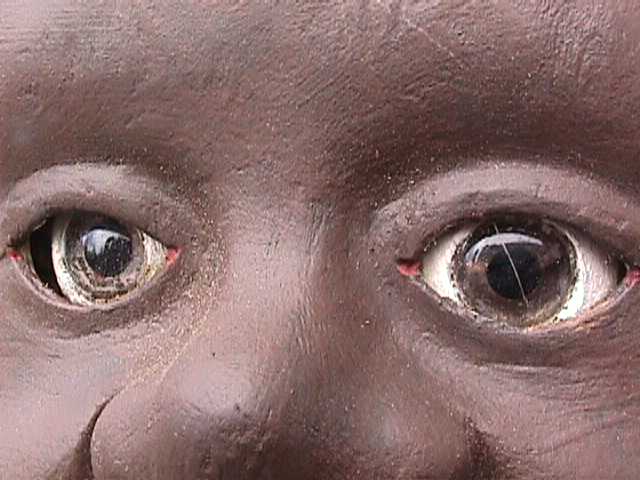
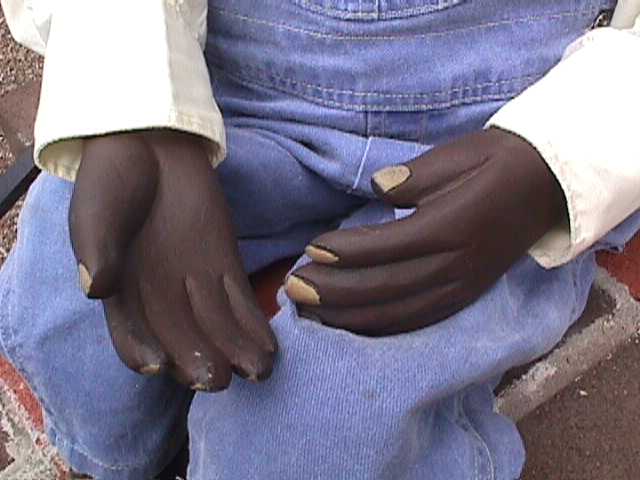
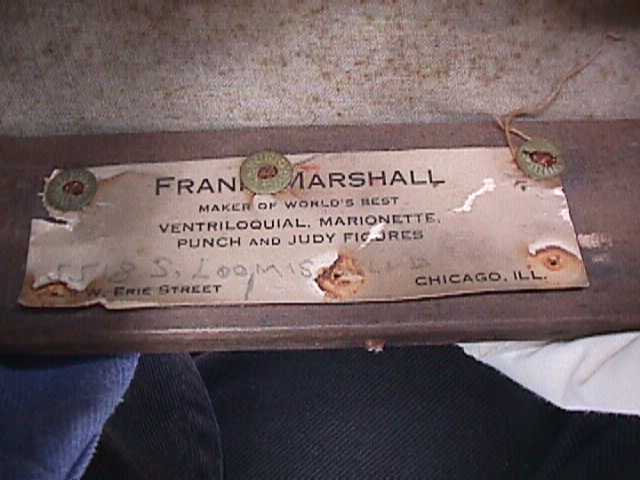
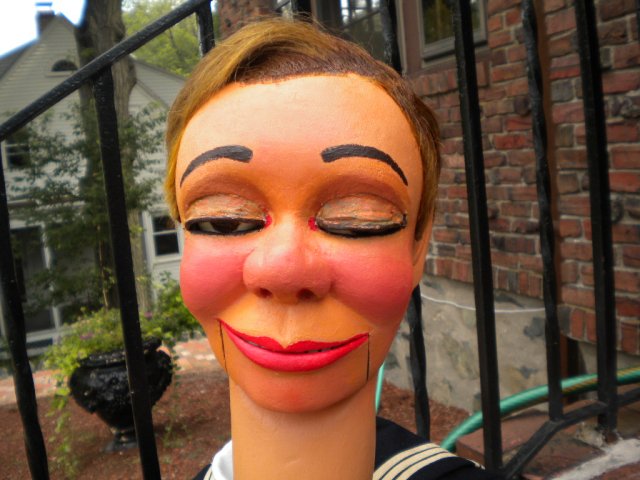
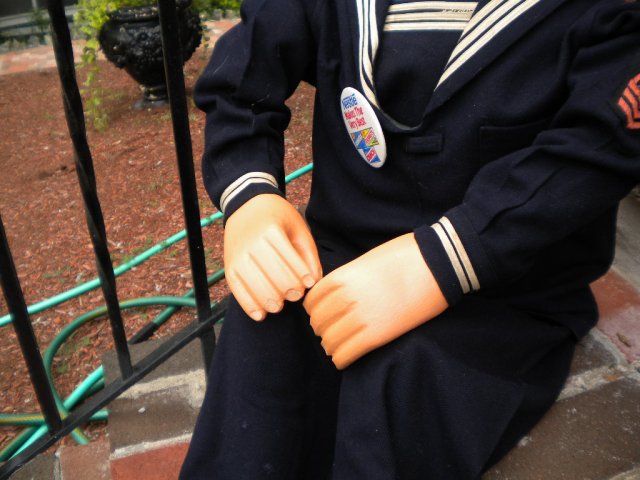
Day a Frank Marshall Masterpiece Donny O 2 photographs
- Size
- 40"
- Materials
- carved wood; cloth body
- Movements
- self-centering eyes; winkers; walking figure
- Dates given
- 1940; 2011
Recorded owner Ventriloquist Central Collection as stated on the source page when it was written — not current ownership
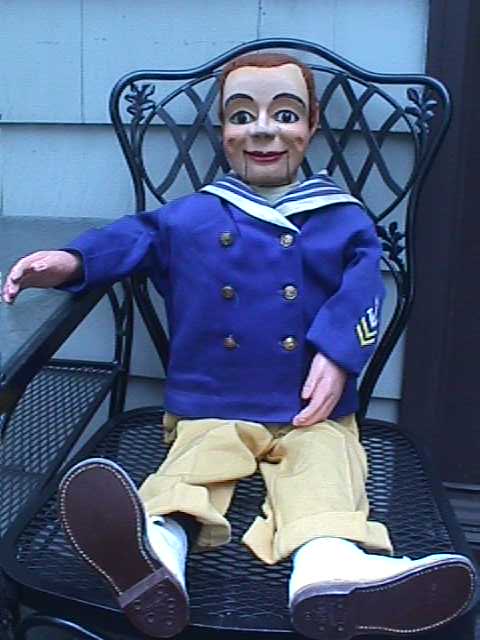
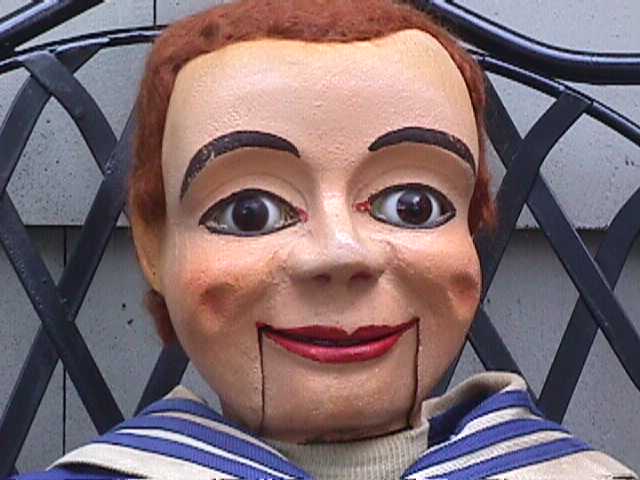
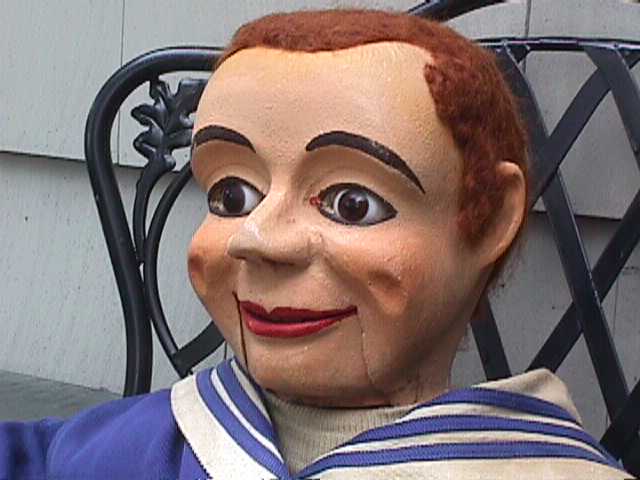
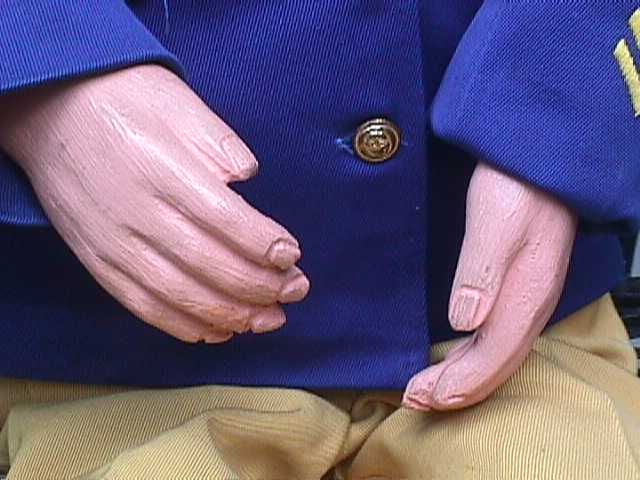
Used by Roy Catell 6 photographs
- Size
- 30"
- Materials
- cloth body; glass eyes
- Movements
- slot jaw / moving mouth
- Dates given
- 1930; 1940
Recorded owner Roy Catell Roy Catell; Roy Catell as stated on the source page when it was written — not current ownership
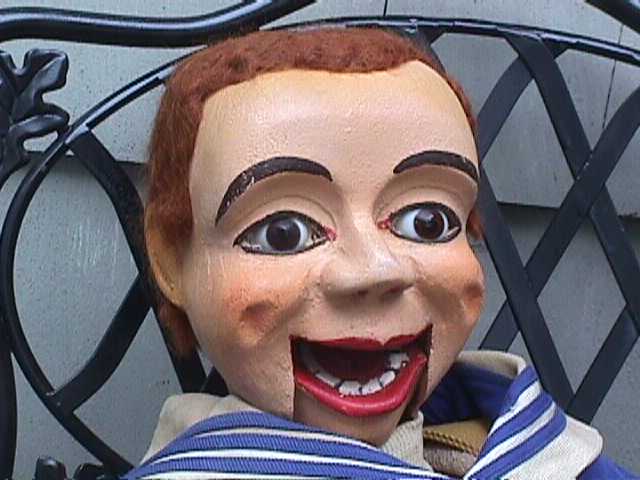
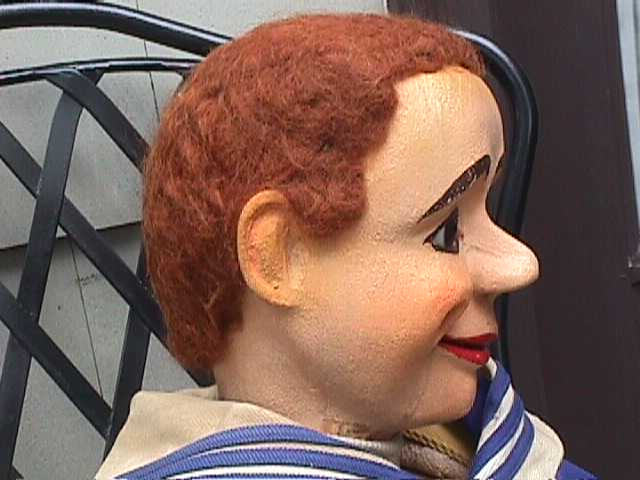
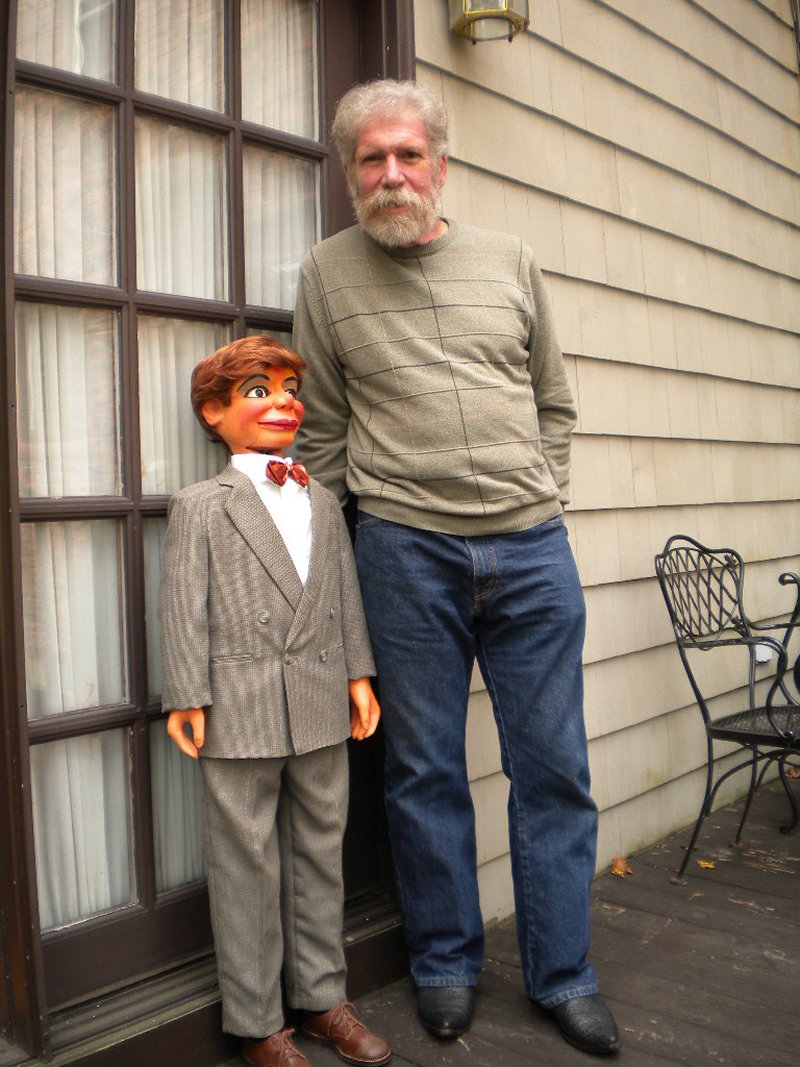
Walking 10 photographs
- Movements
- slot jaw / moving mouth; self-centering eyes; spitter; walking figure
- Dates given
- 1931; 1955
Recorded owner Ventriloquist Central Collection as stated on the source page when it was written — not current ownership
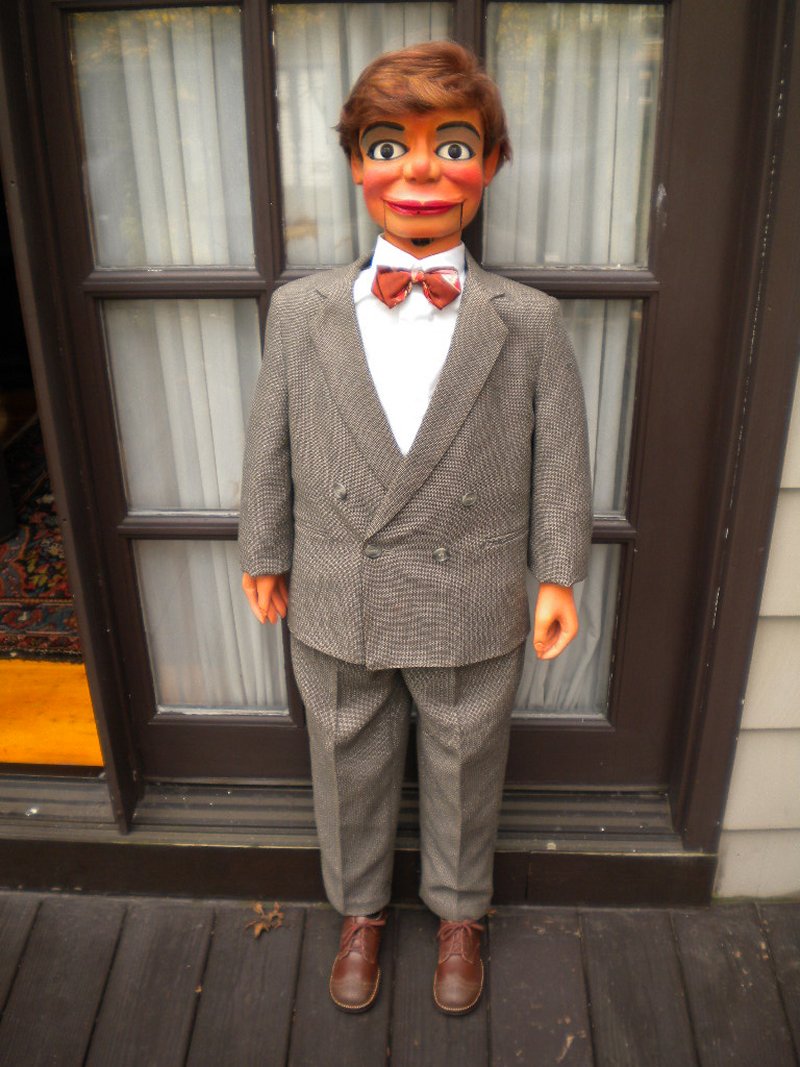
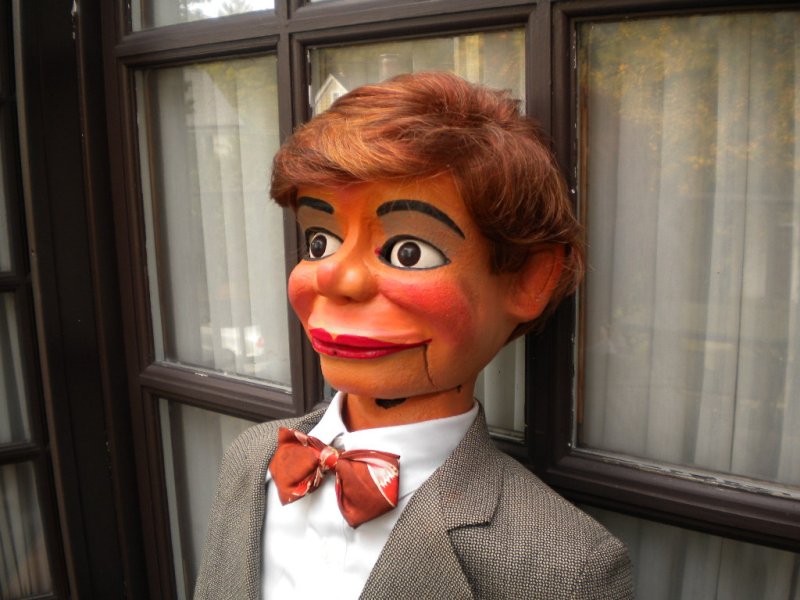
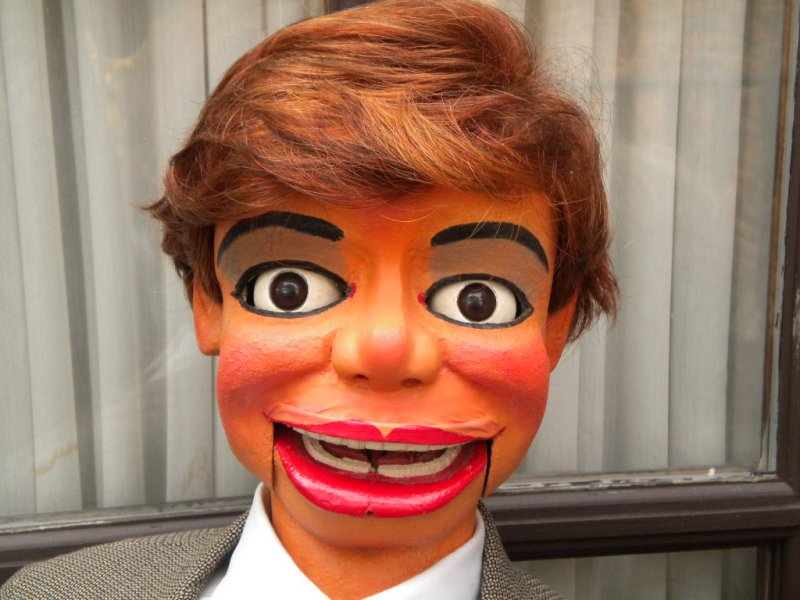
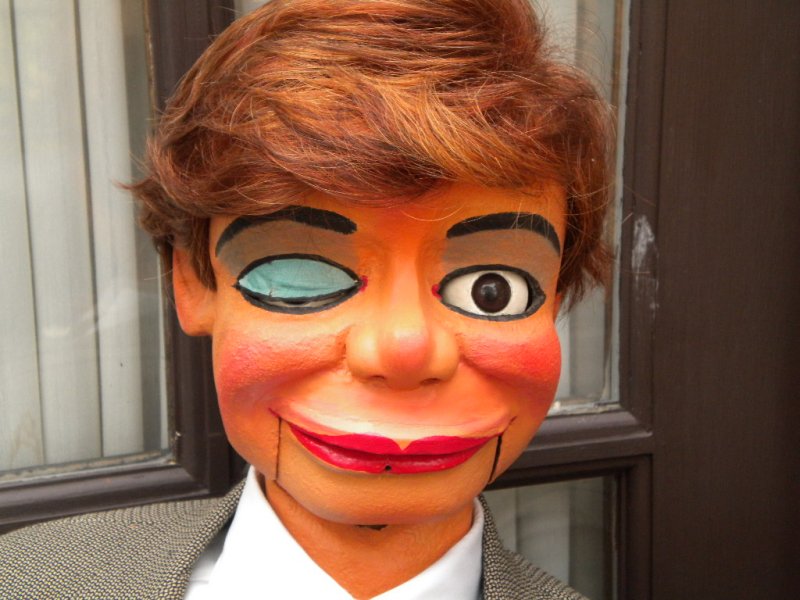
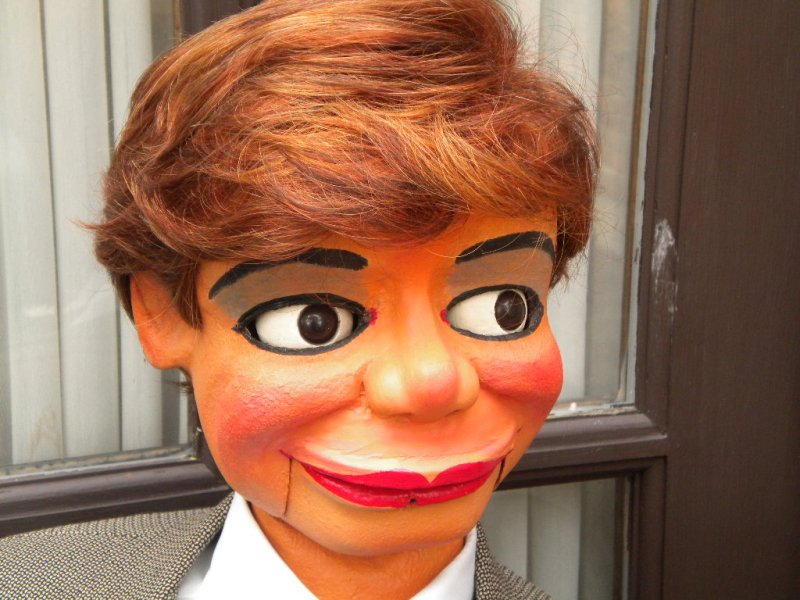
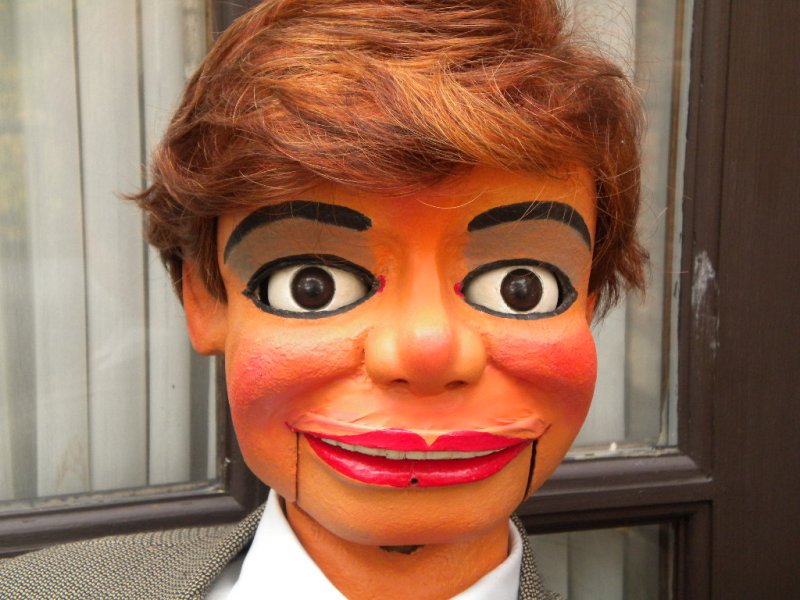
Harry Mahoney 8 photographs
- Movements
- self-centering eyes; head stick
- Dates given
- 1930; 1940; 1950
Recorded owner Ventriloquist Central Collection as stated on the source page when it was written — not current ownership
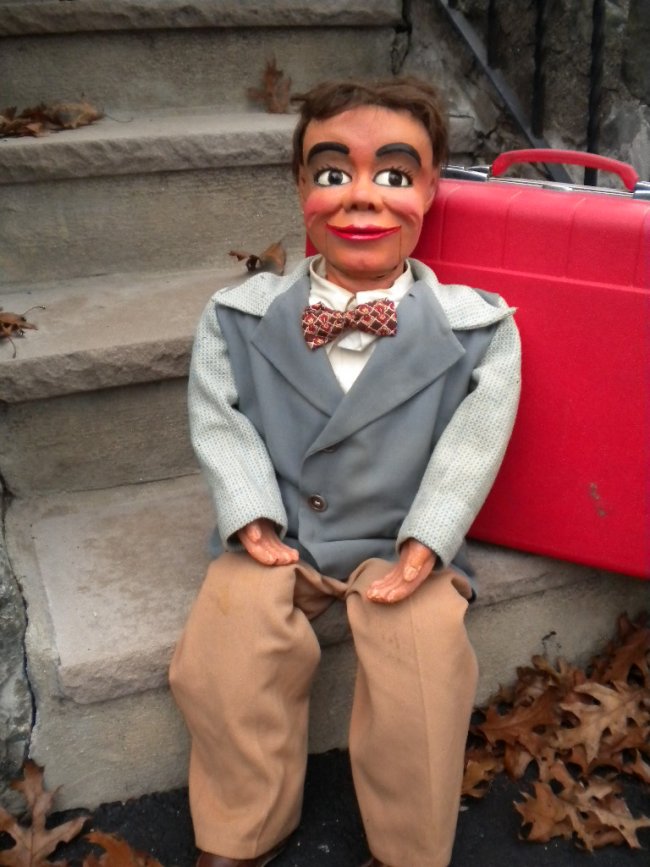
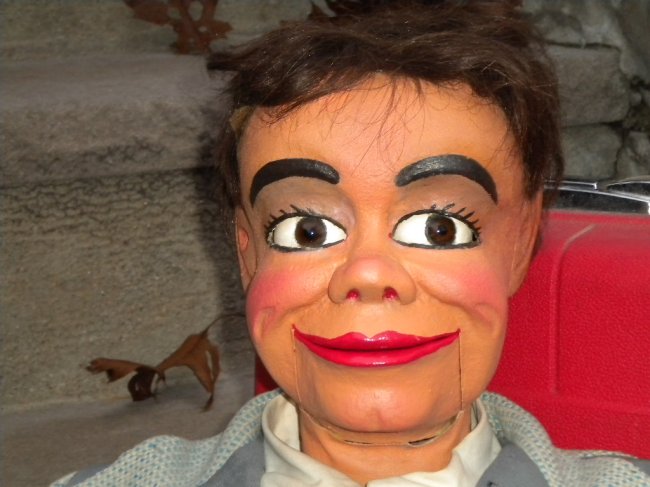
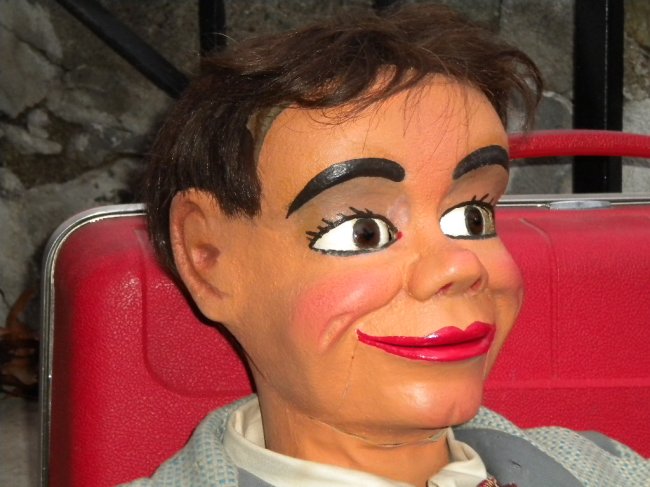
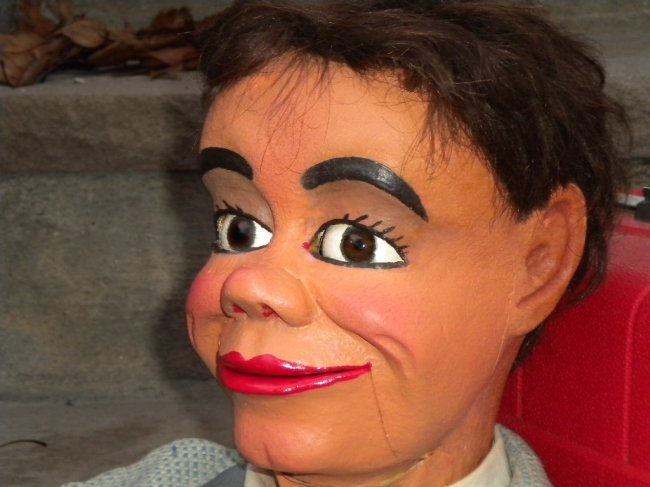
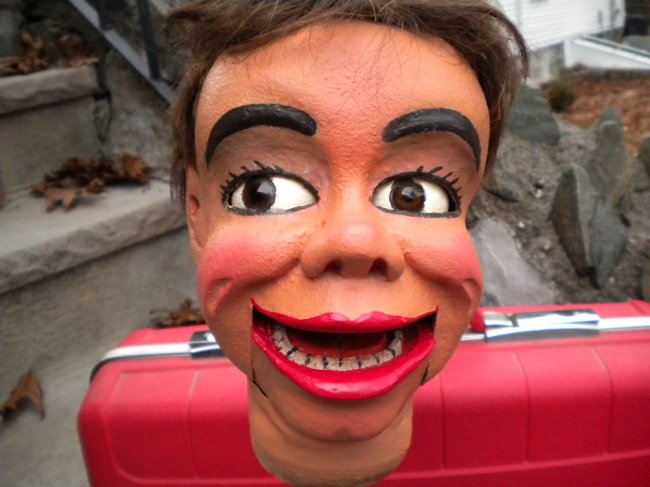
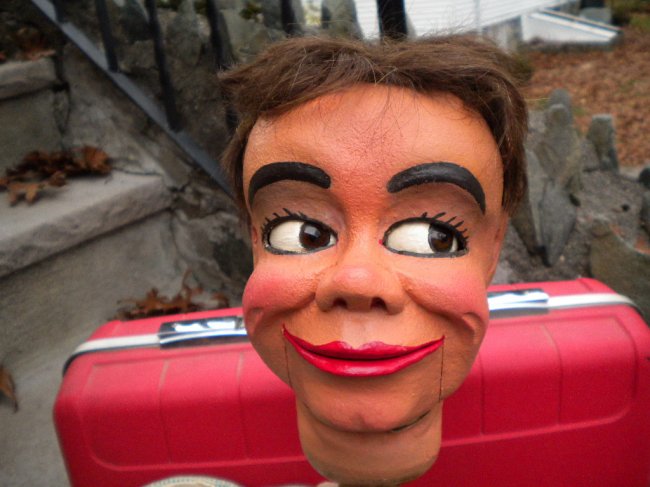
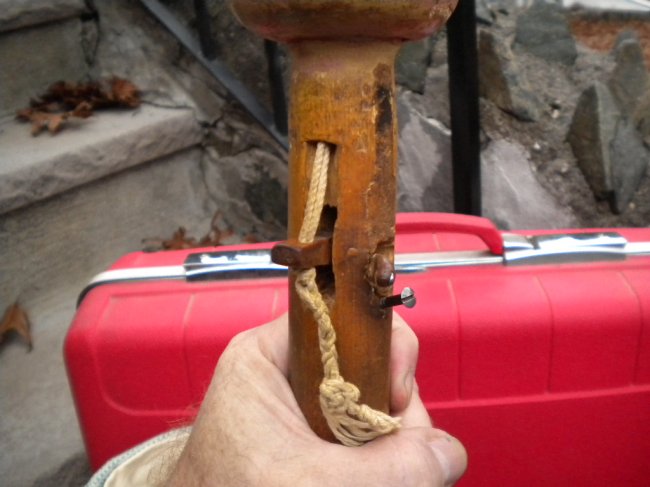
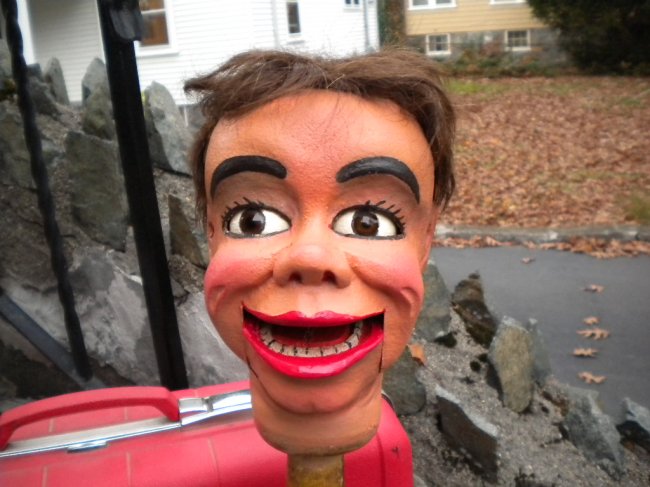
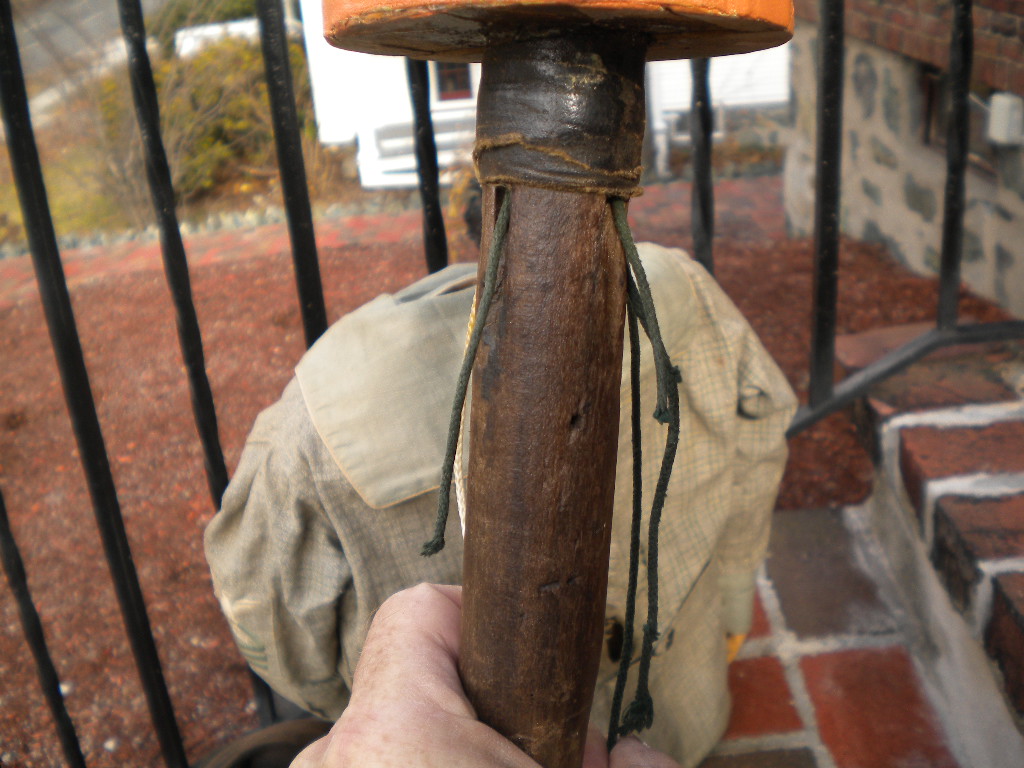
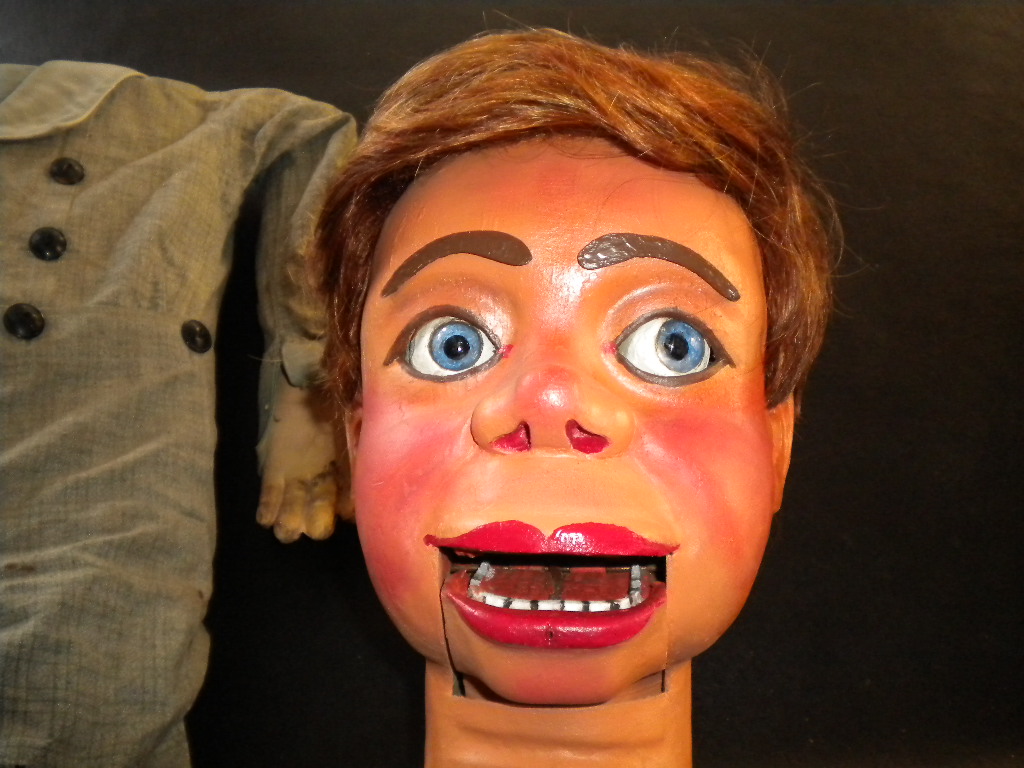
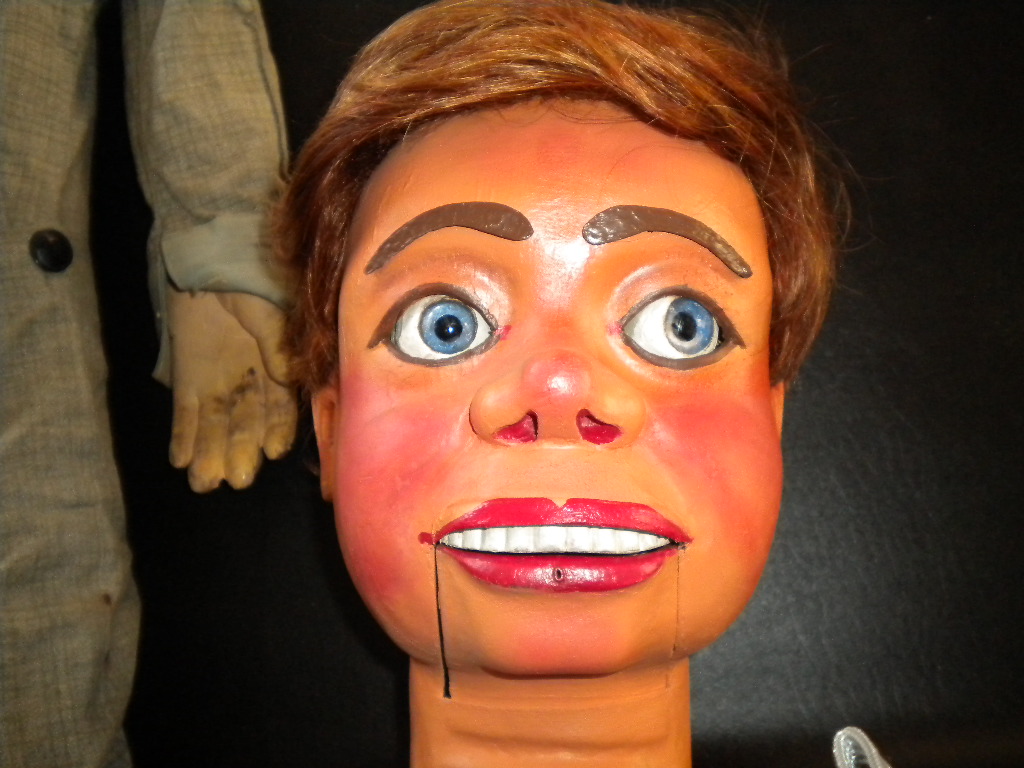
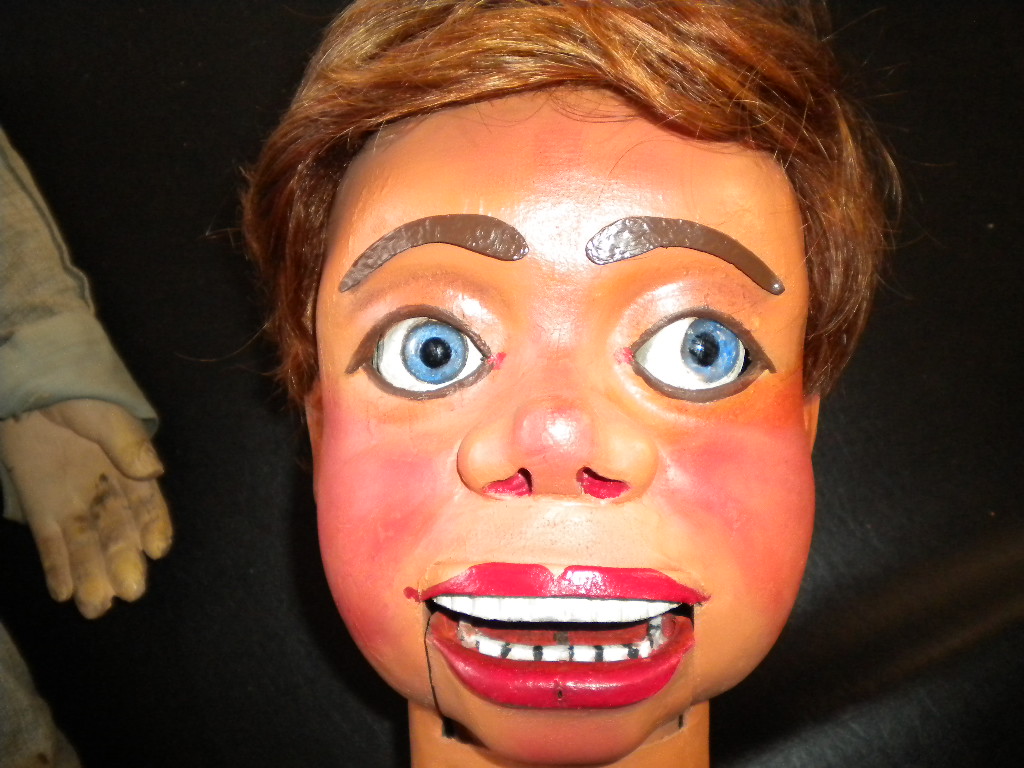
Fully Loaded mid 1930's 14 photographs
- Size
- 42"
- Movements
- slot jaw / moving mouth; self-centering eyes; winkers; raising eyebrows; spitter; head stick
- Dates given
- 1930; 1935
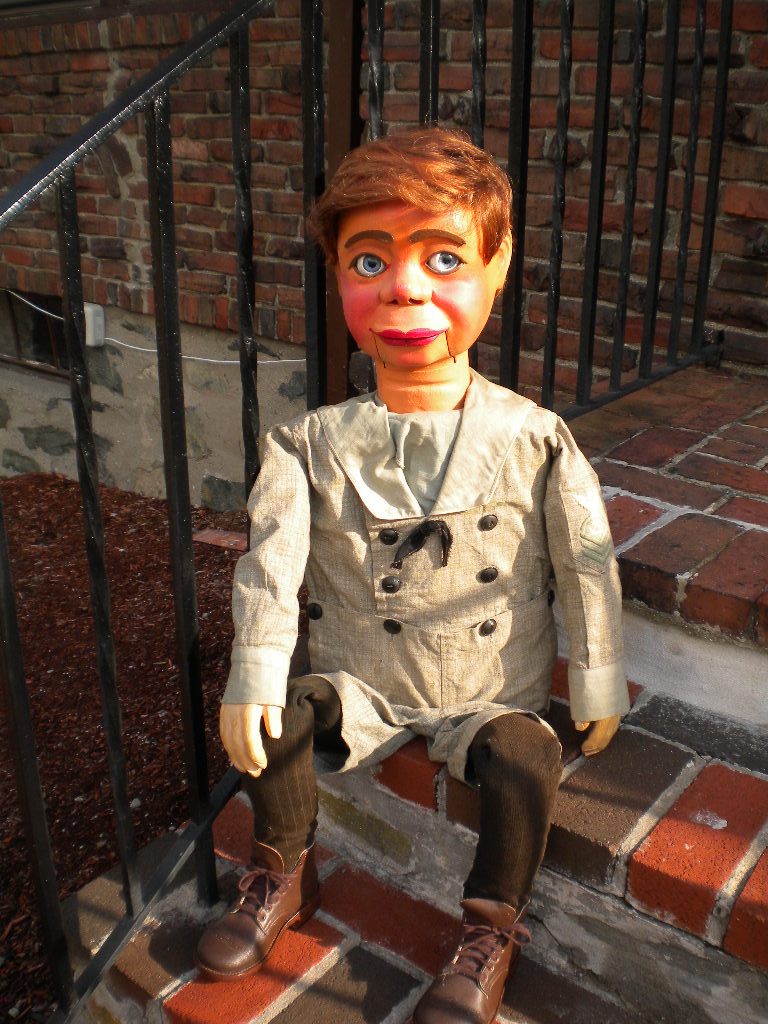
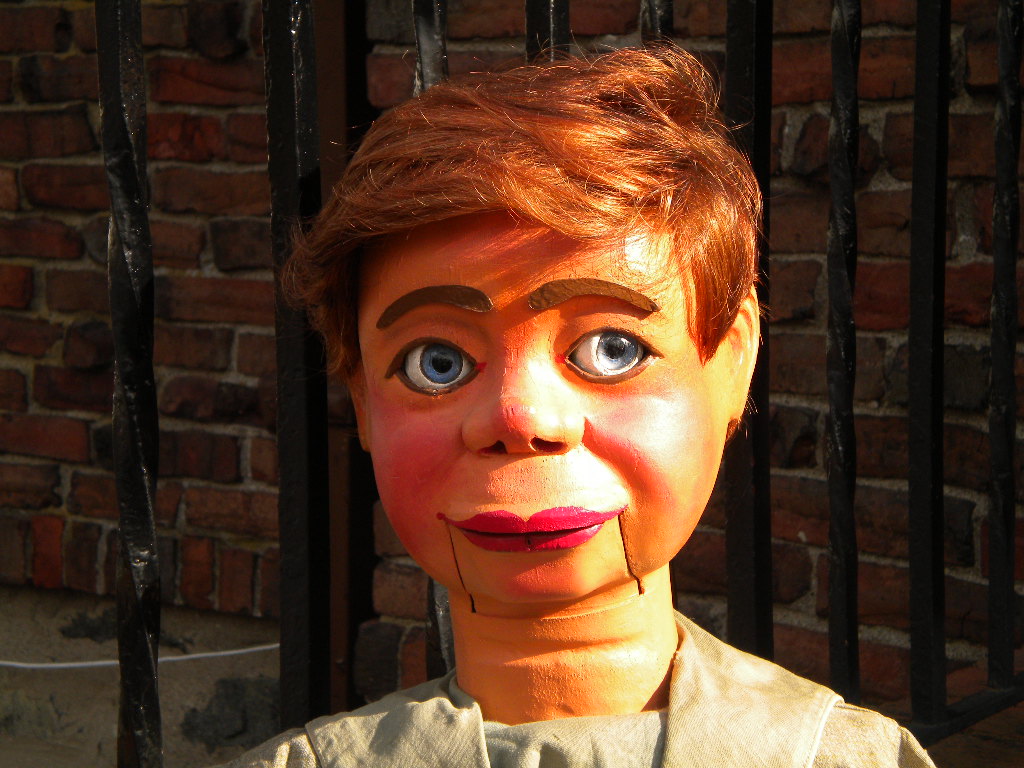
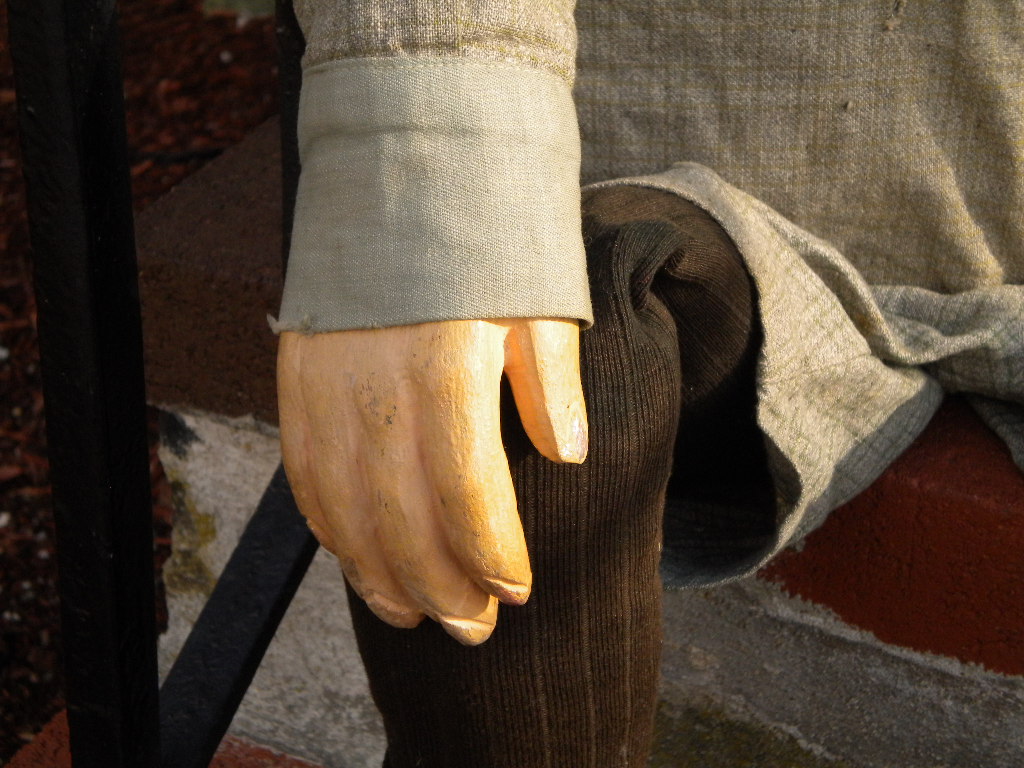
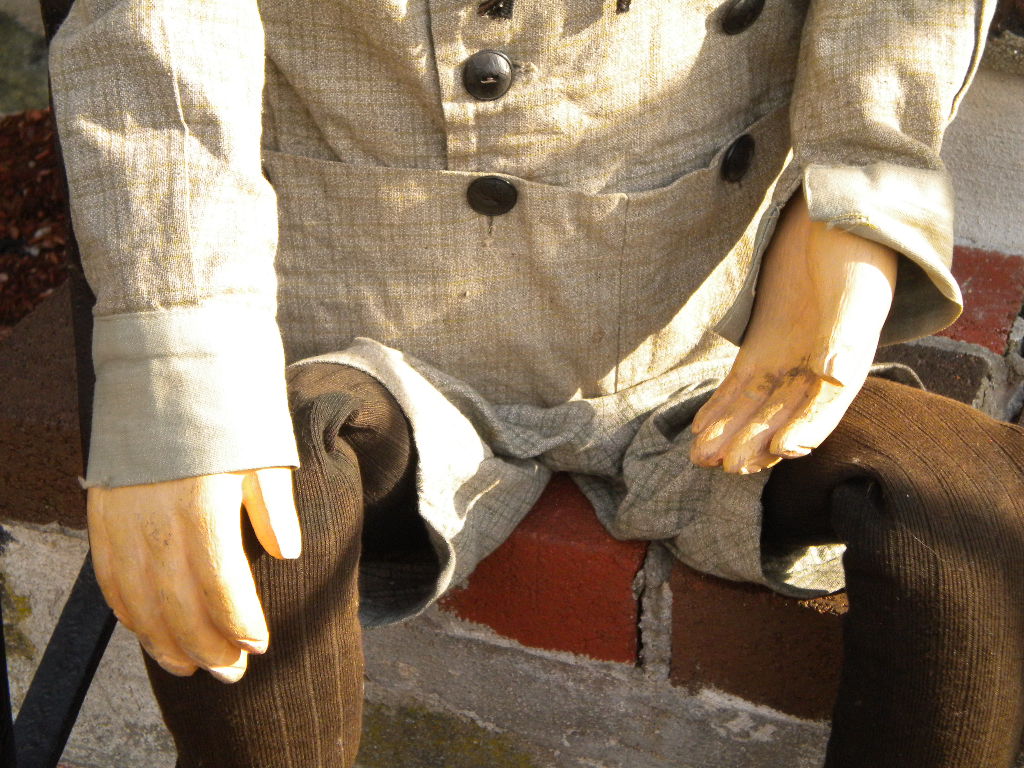
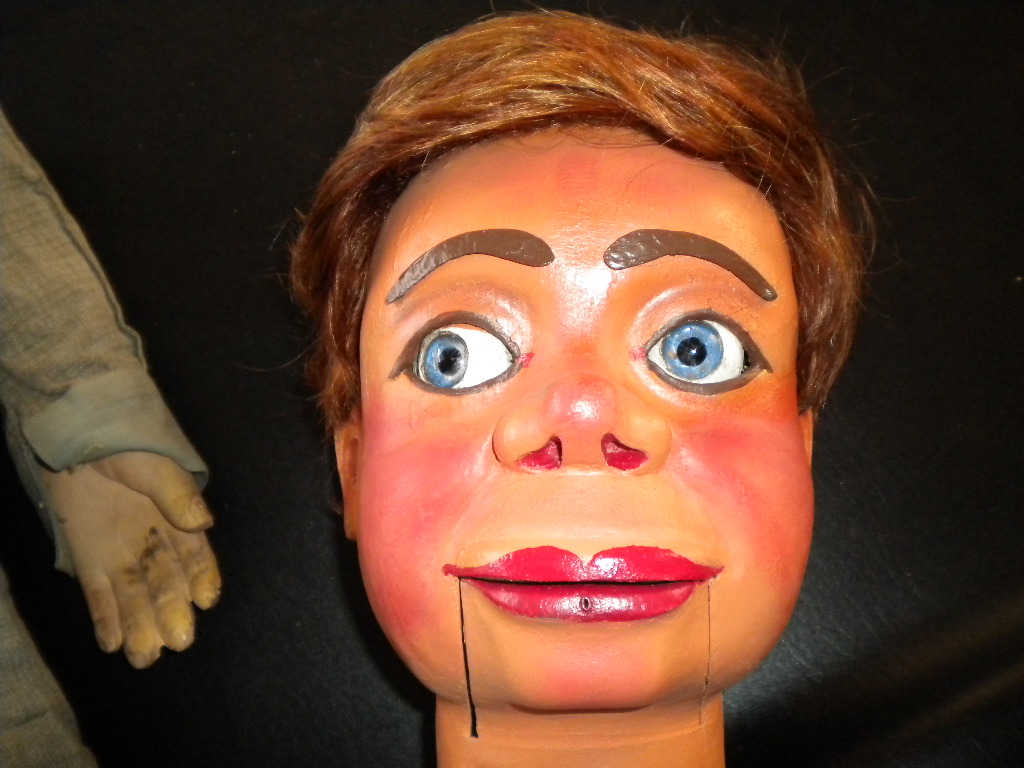
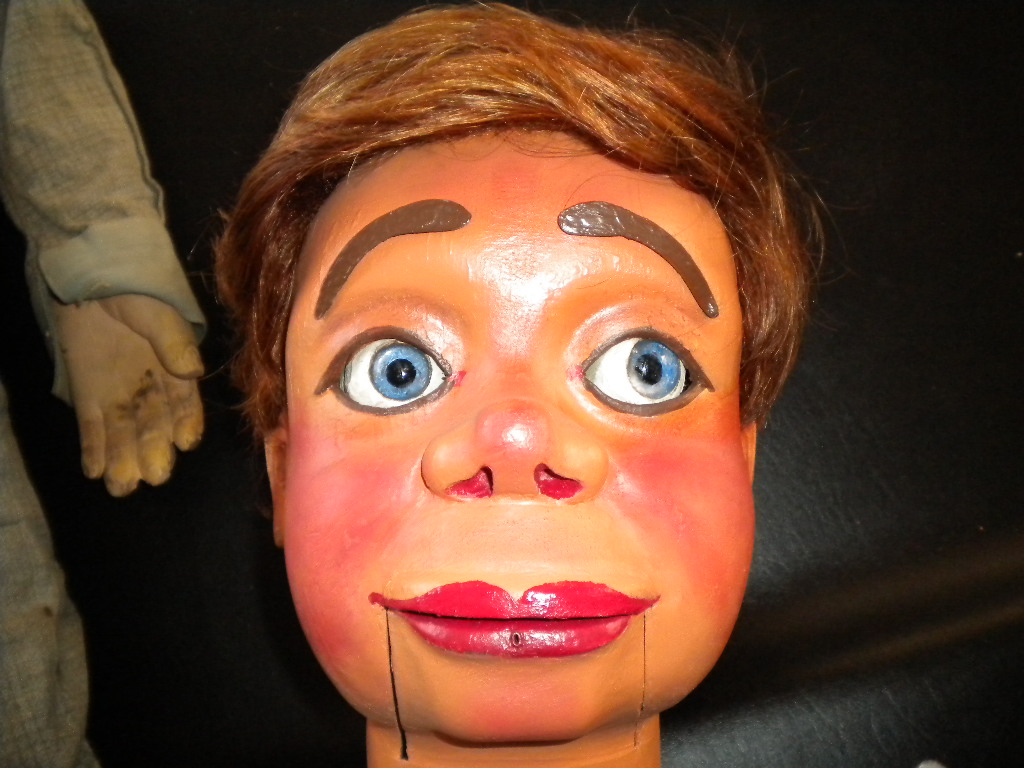
A Very Small 7 photographs
- Size
- 28"
- Materials
- carved wood
- Dates given
- 1950
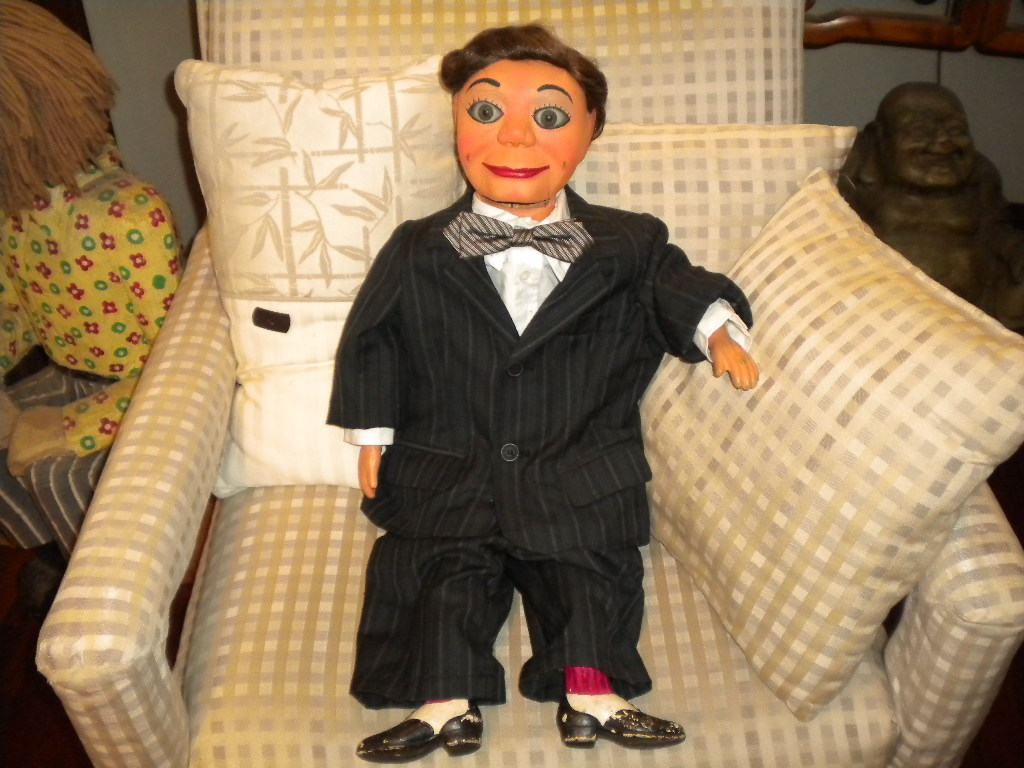
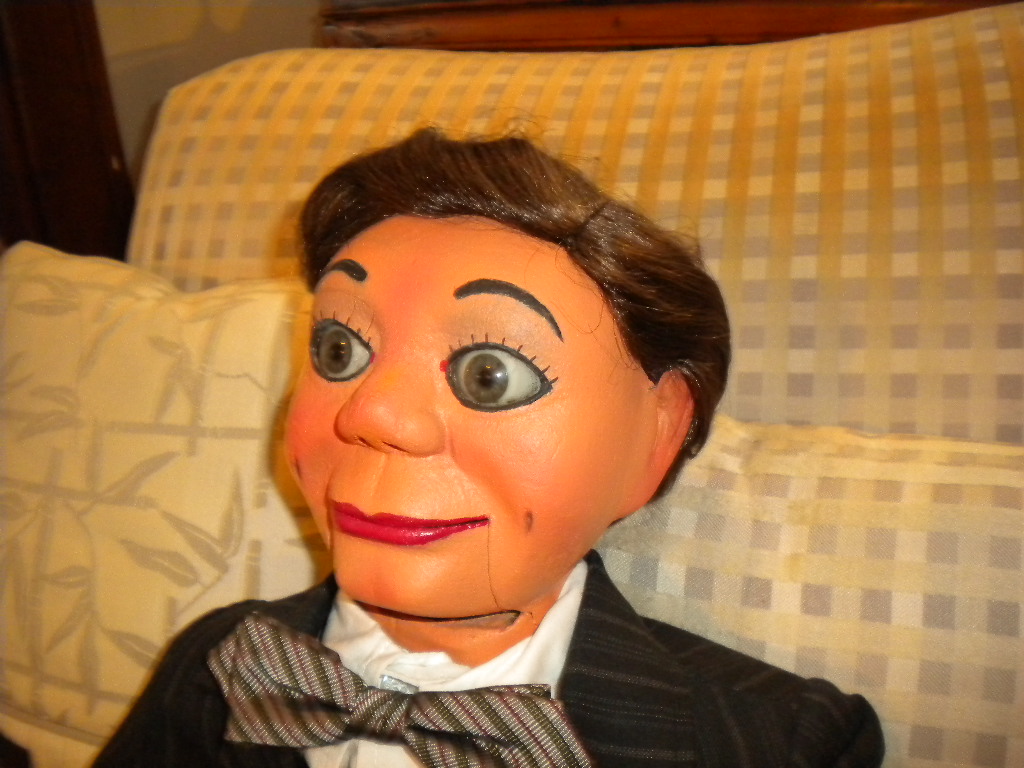
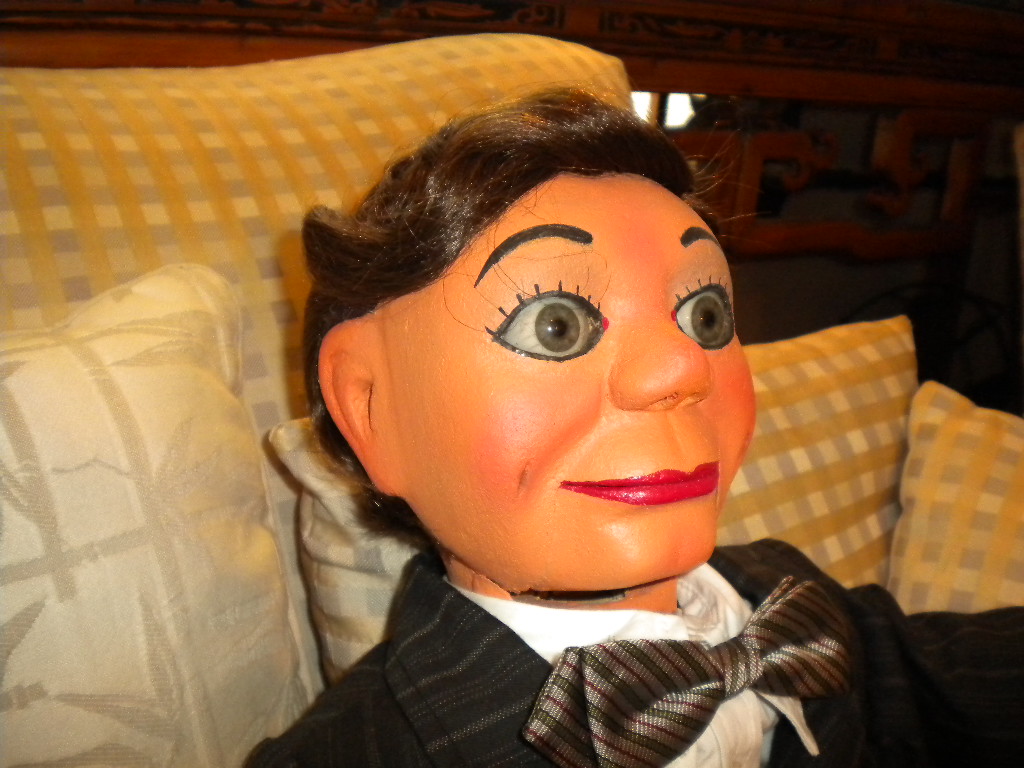
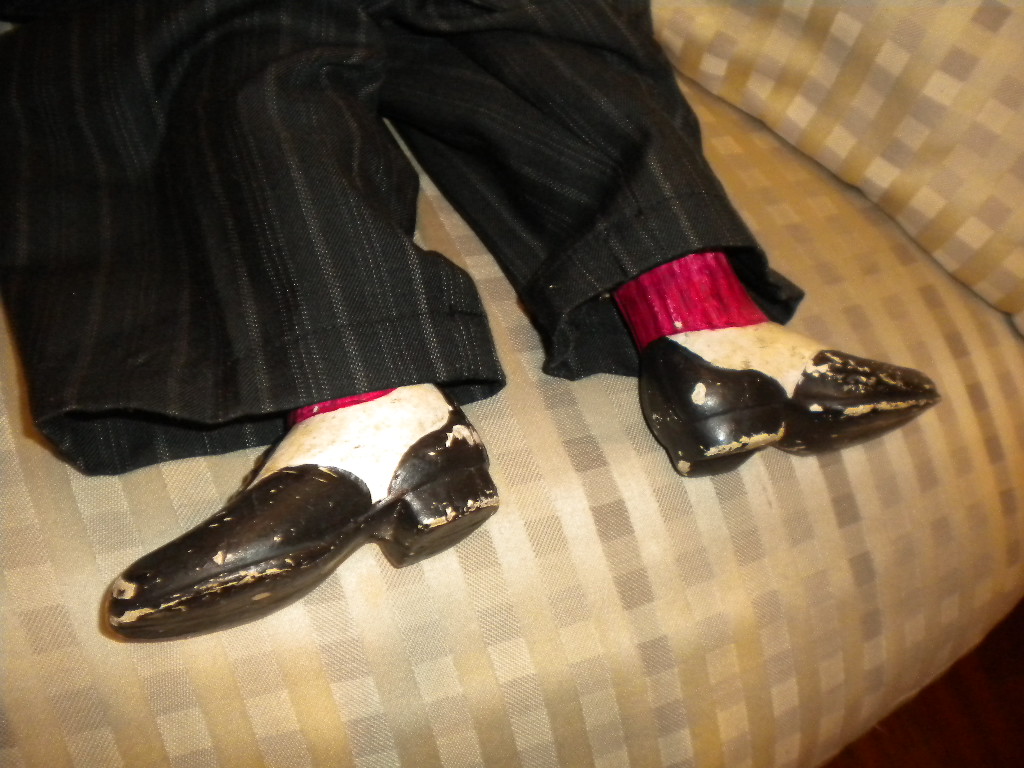
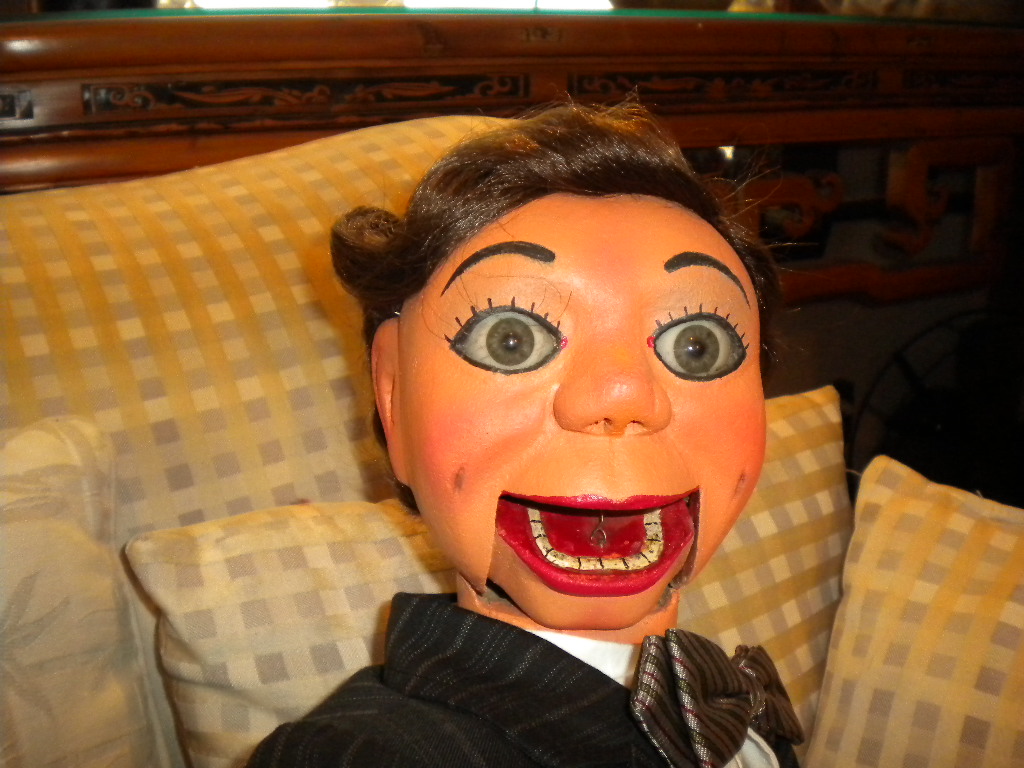
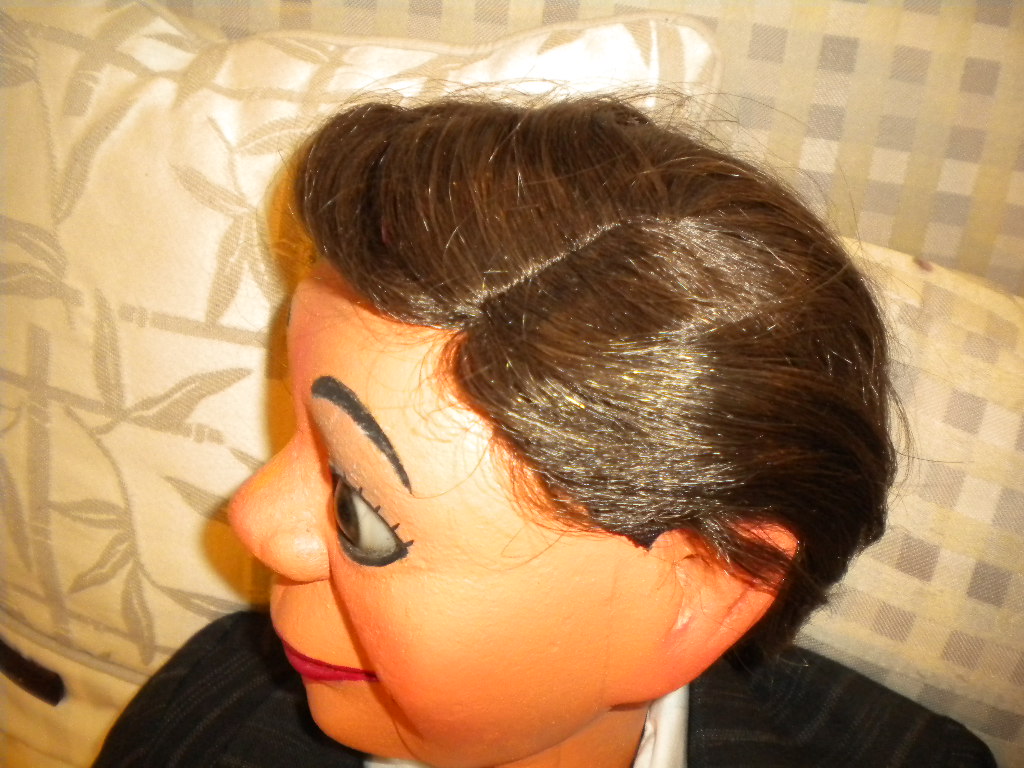
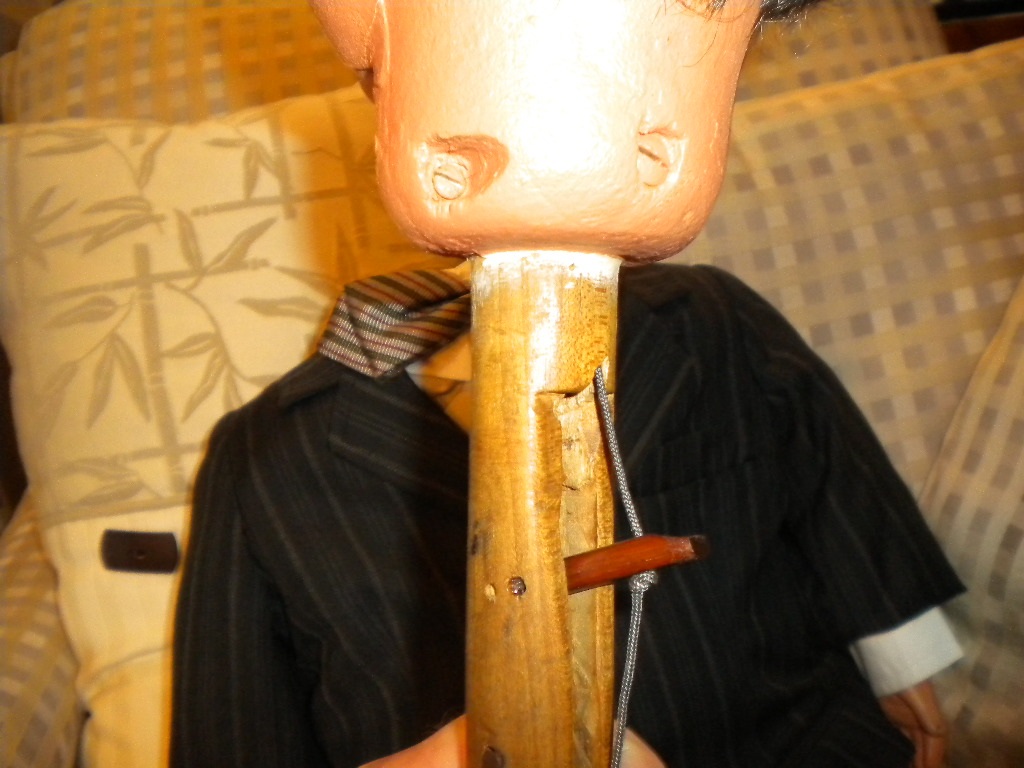
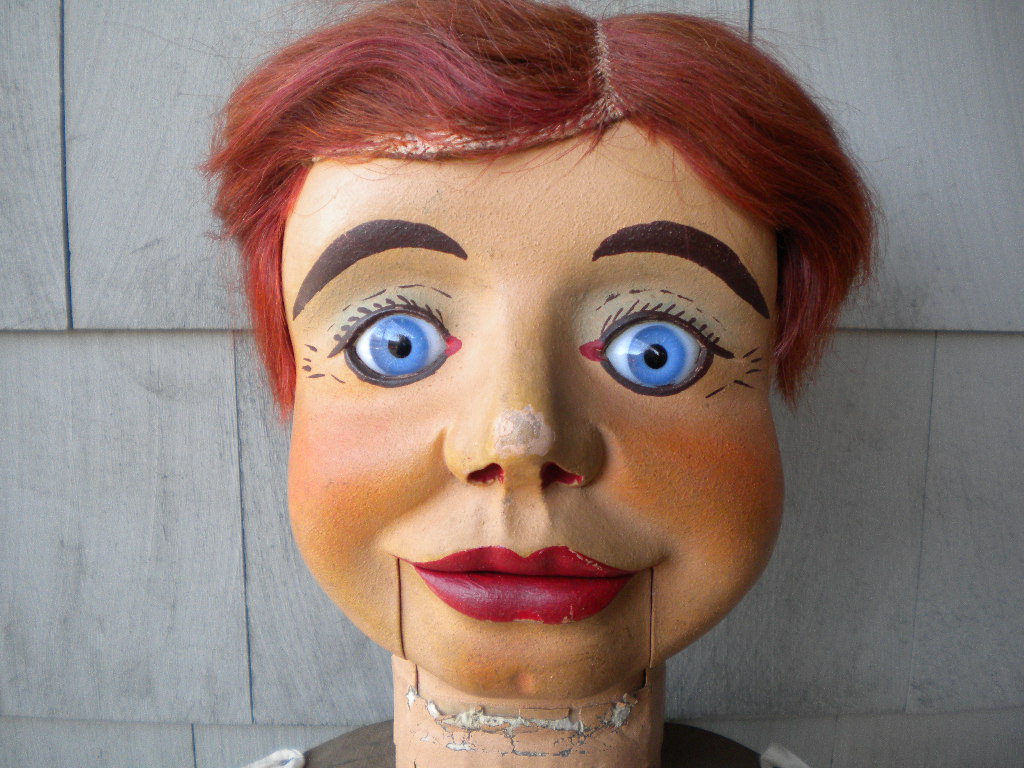
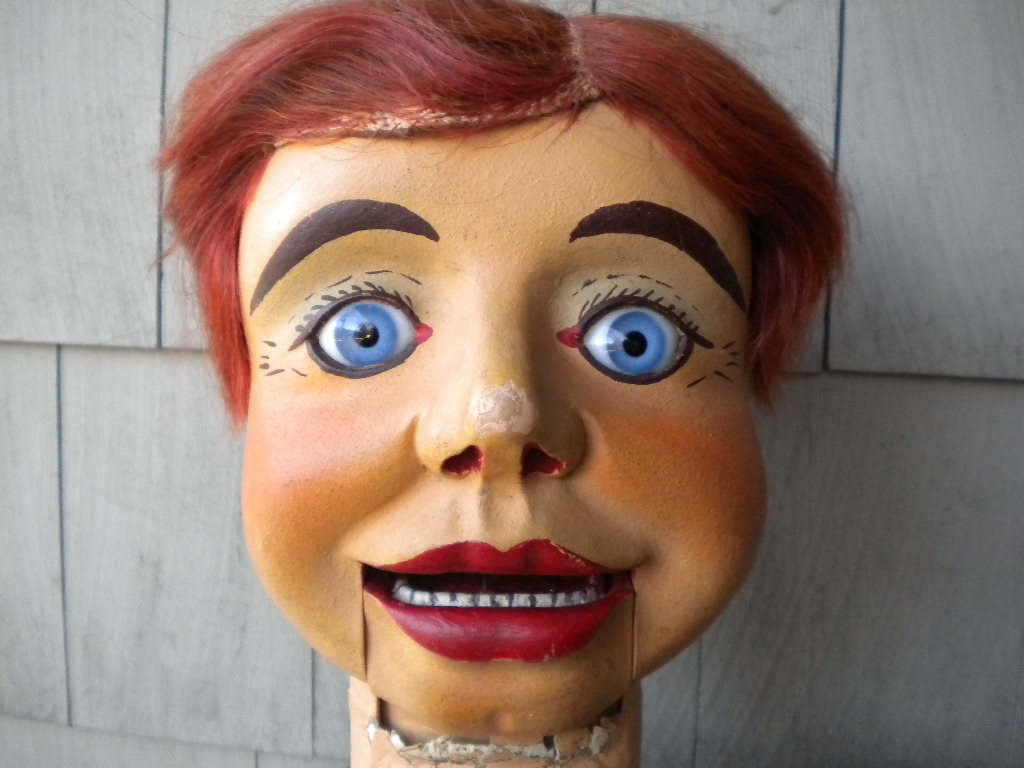
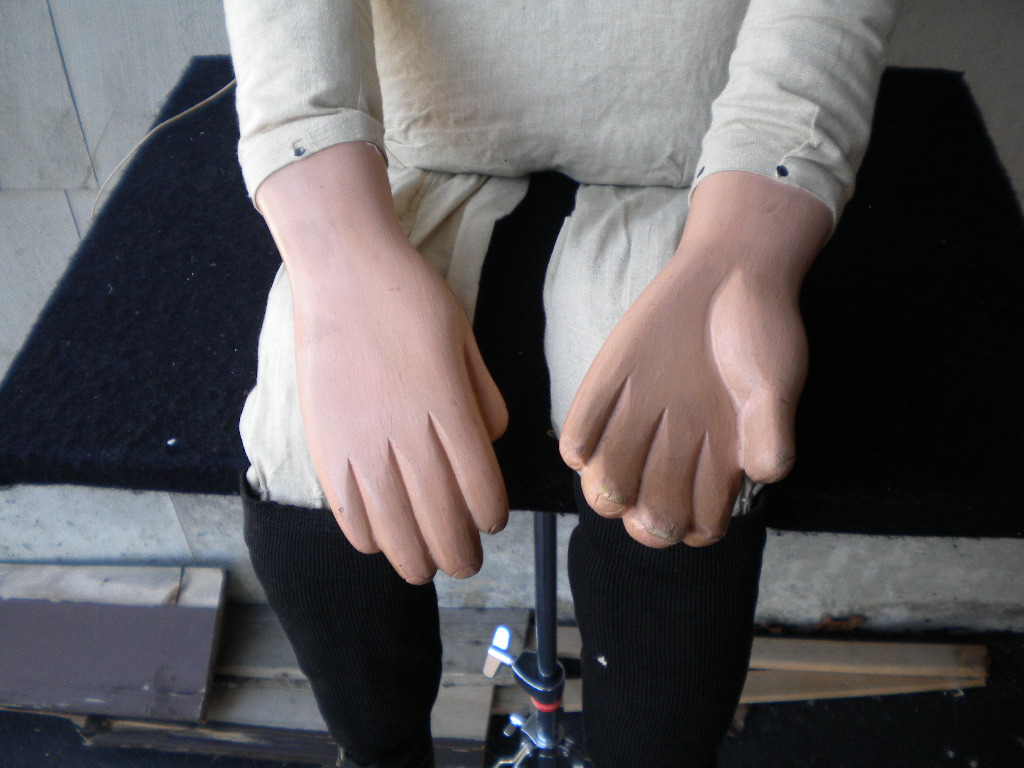
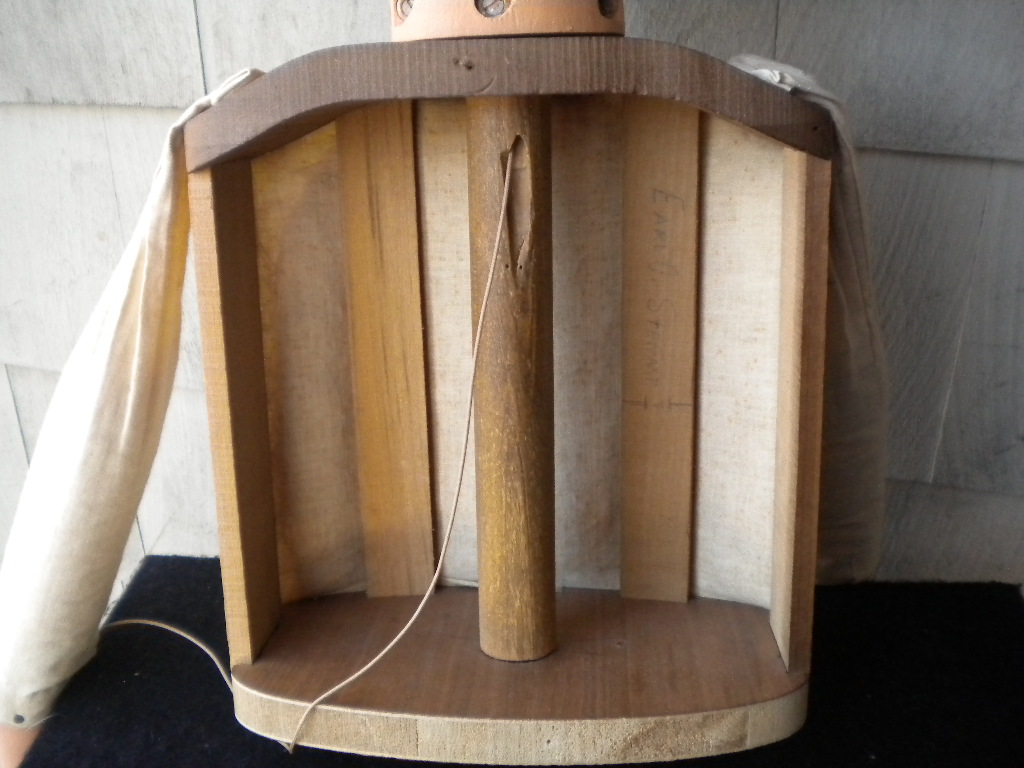
Irish 9 photographs
- Size
- 40"
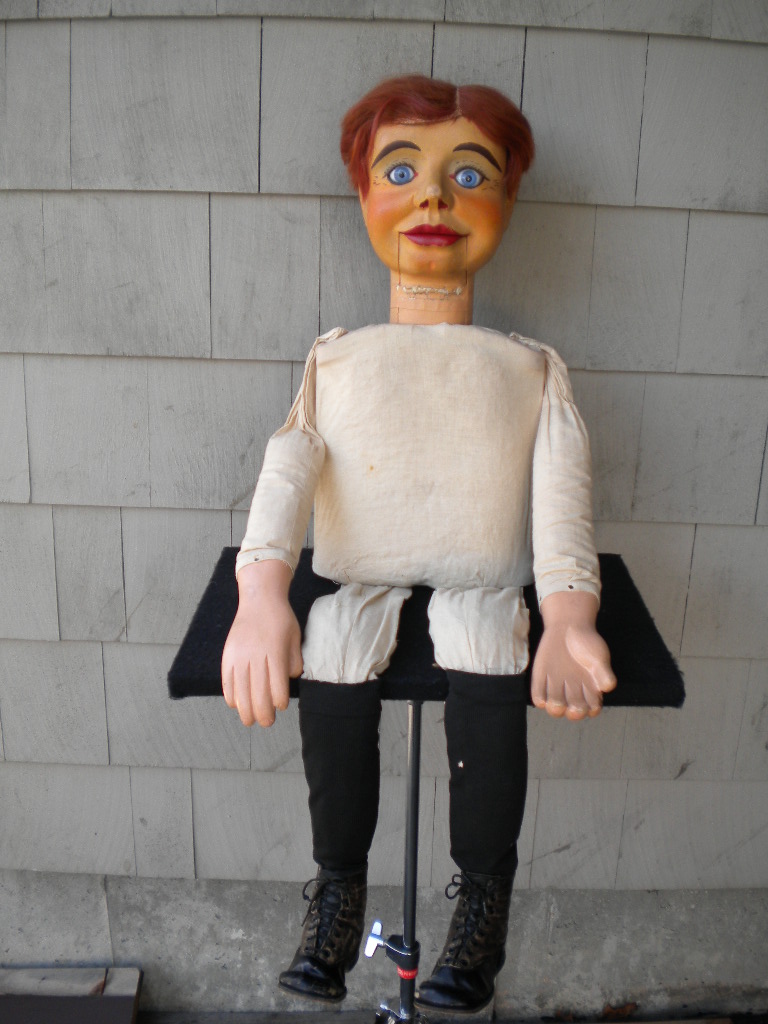
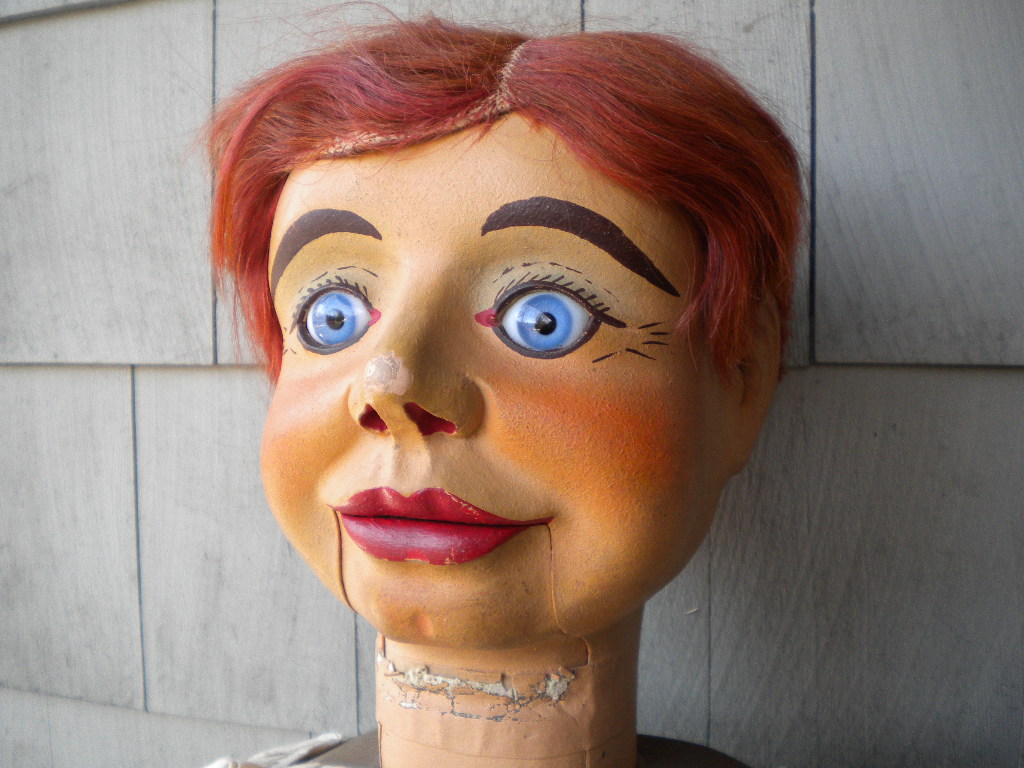
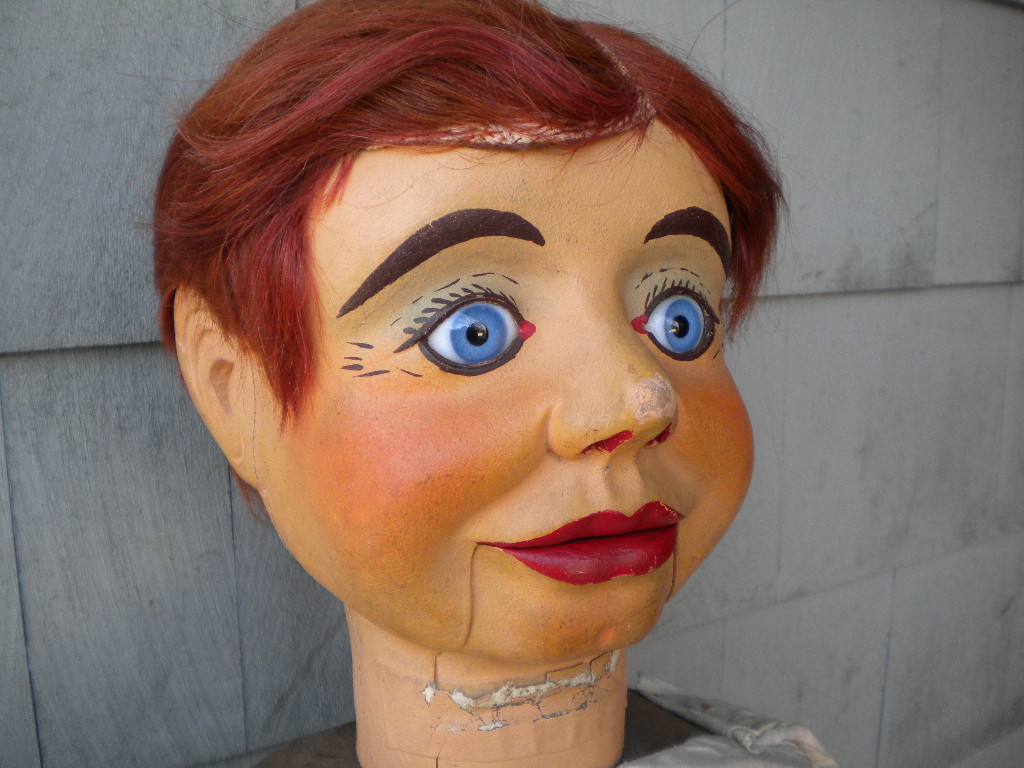
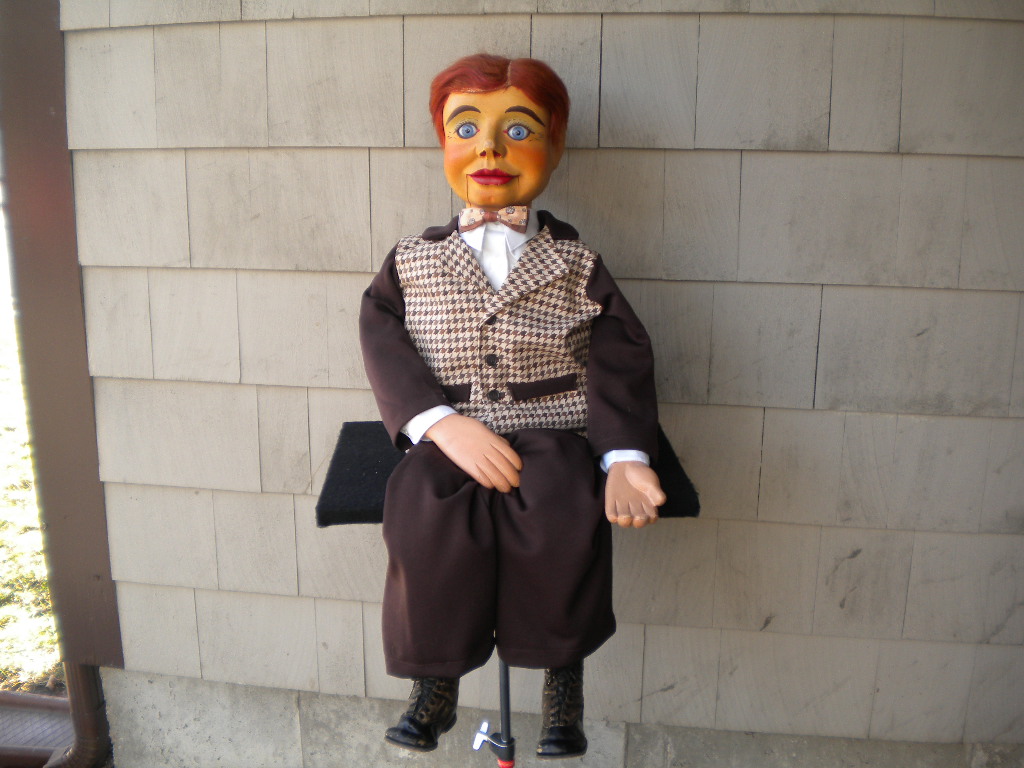
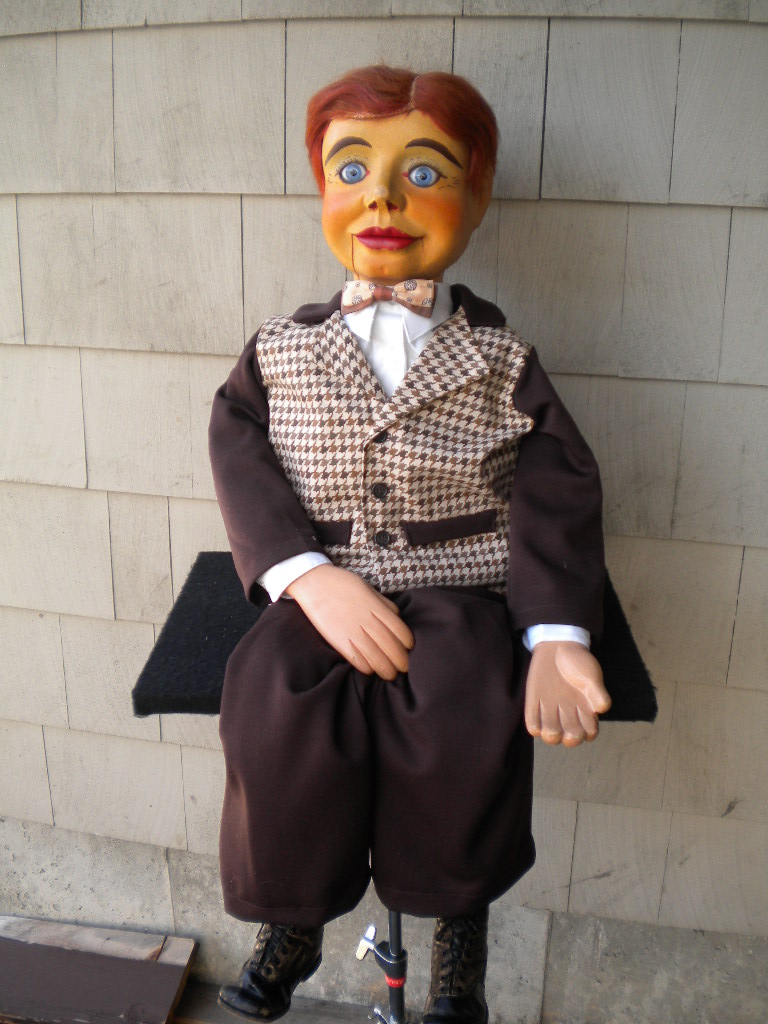
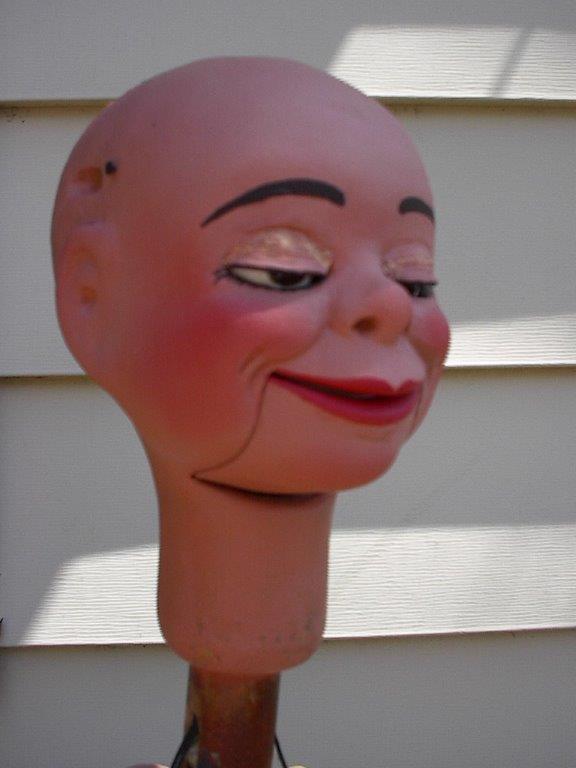
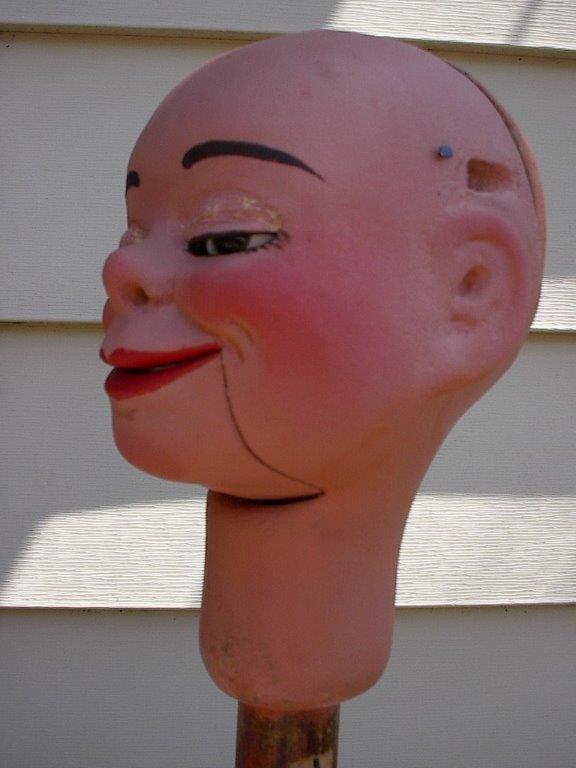
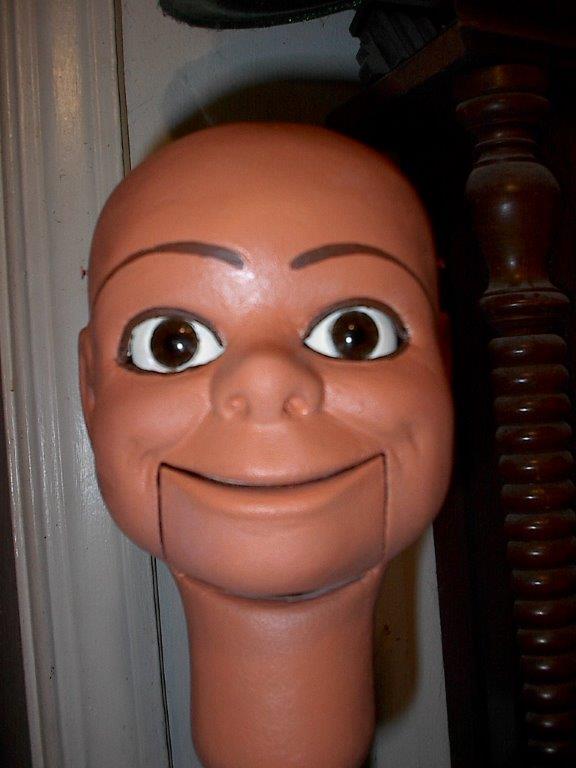
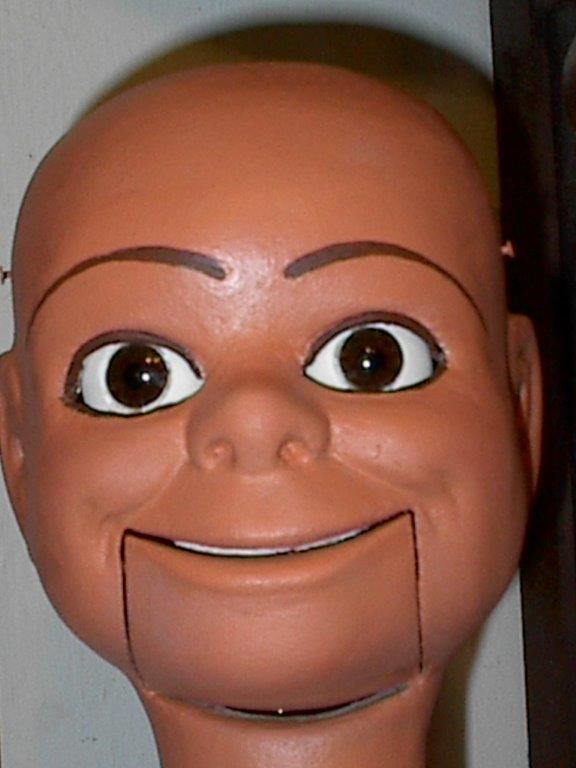
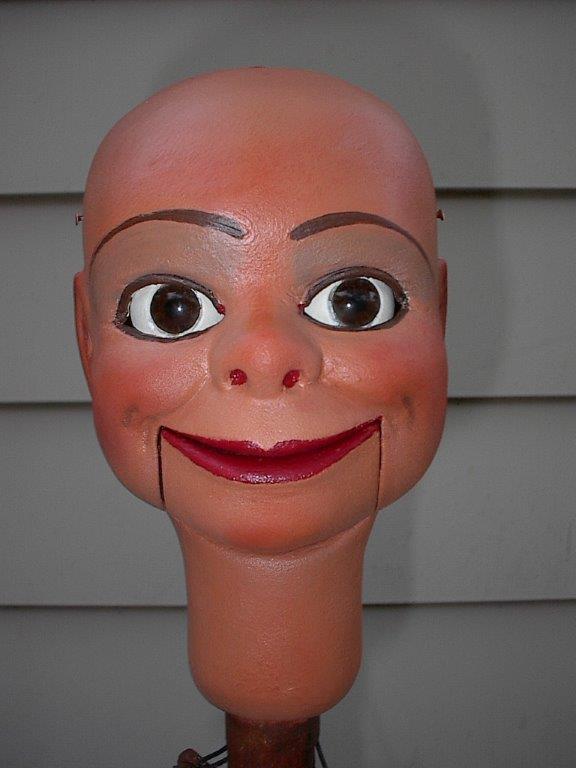
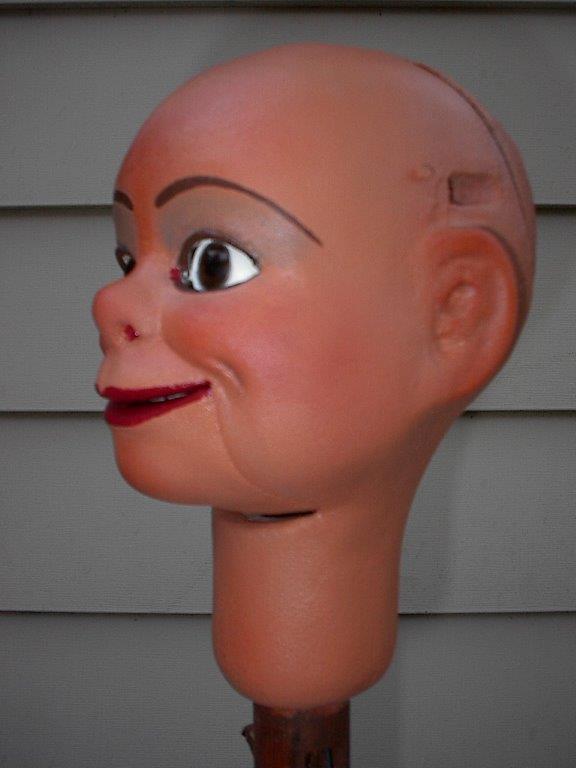
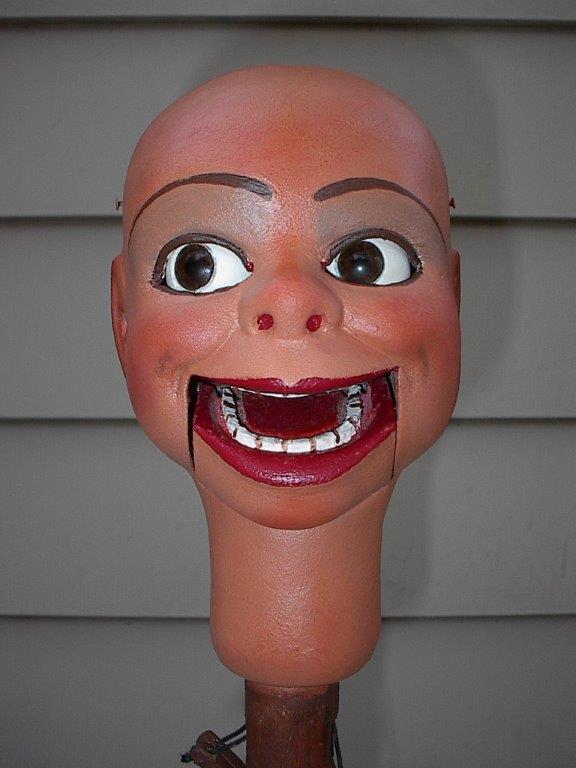
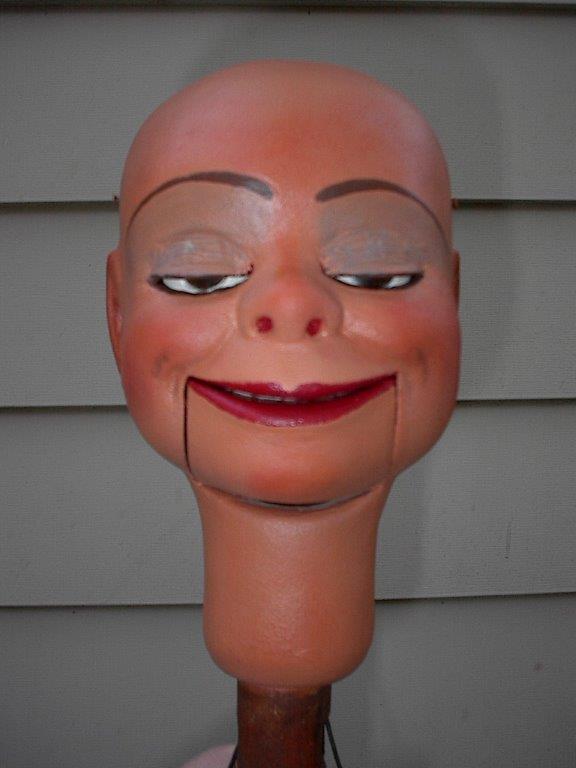
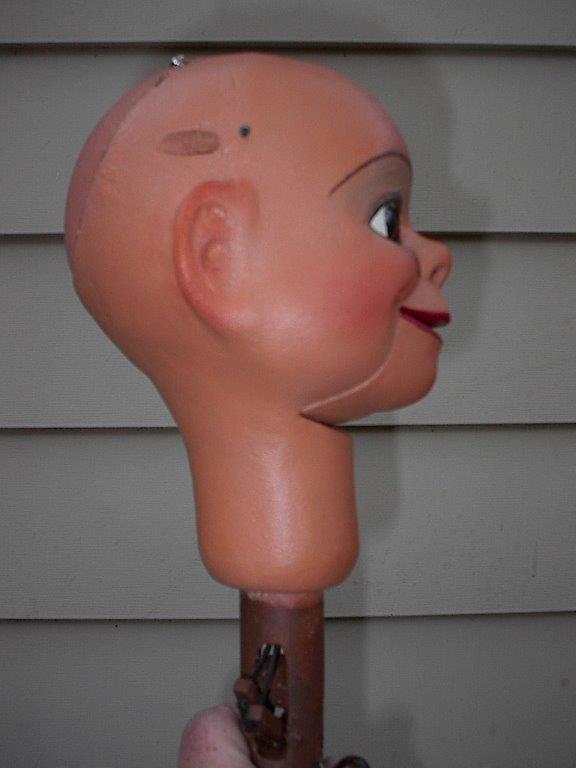
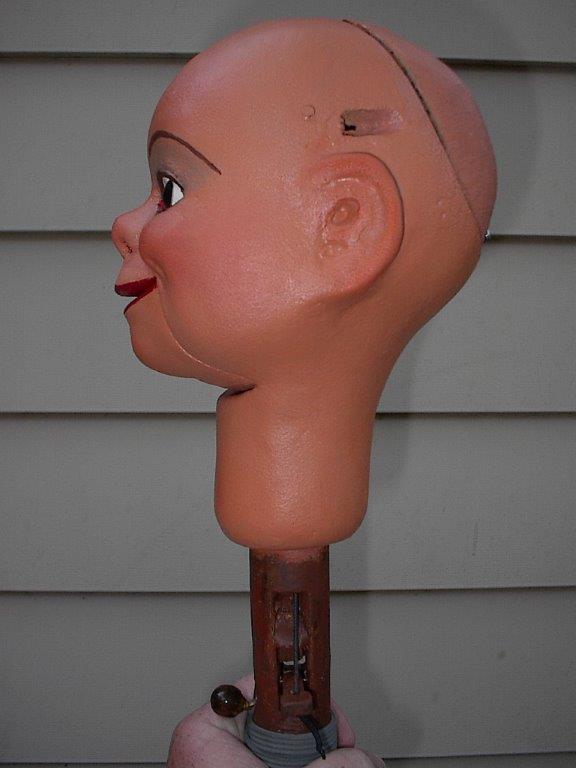
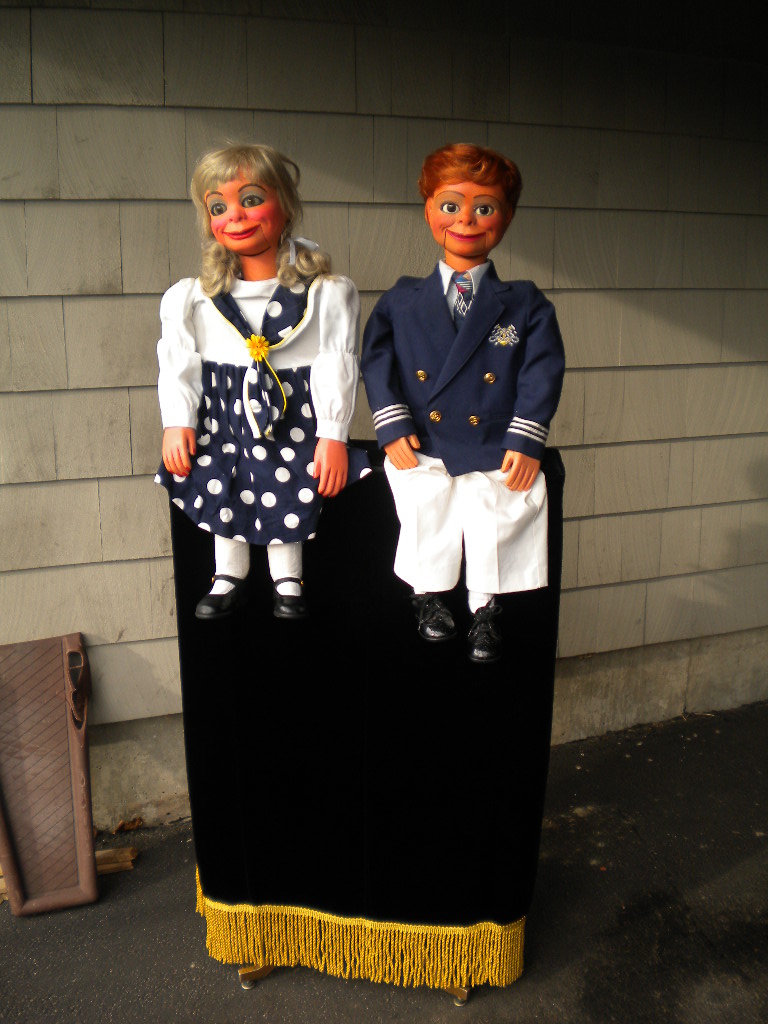
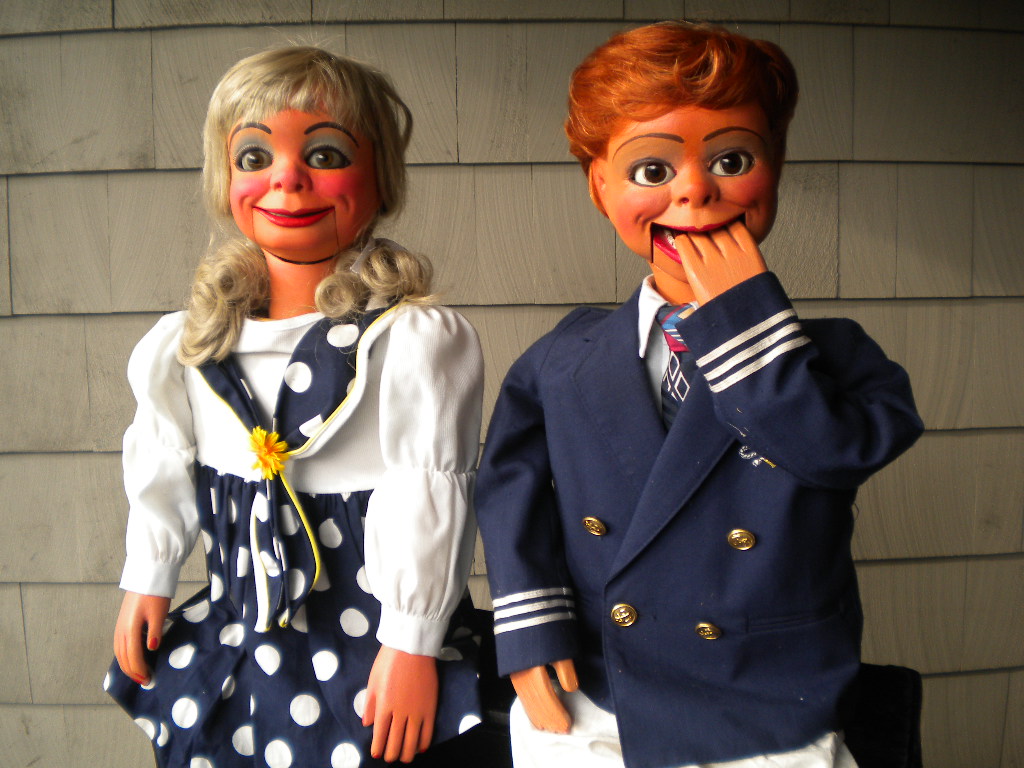
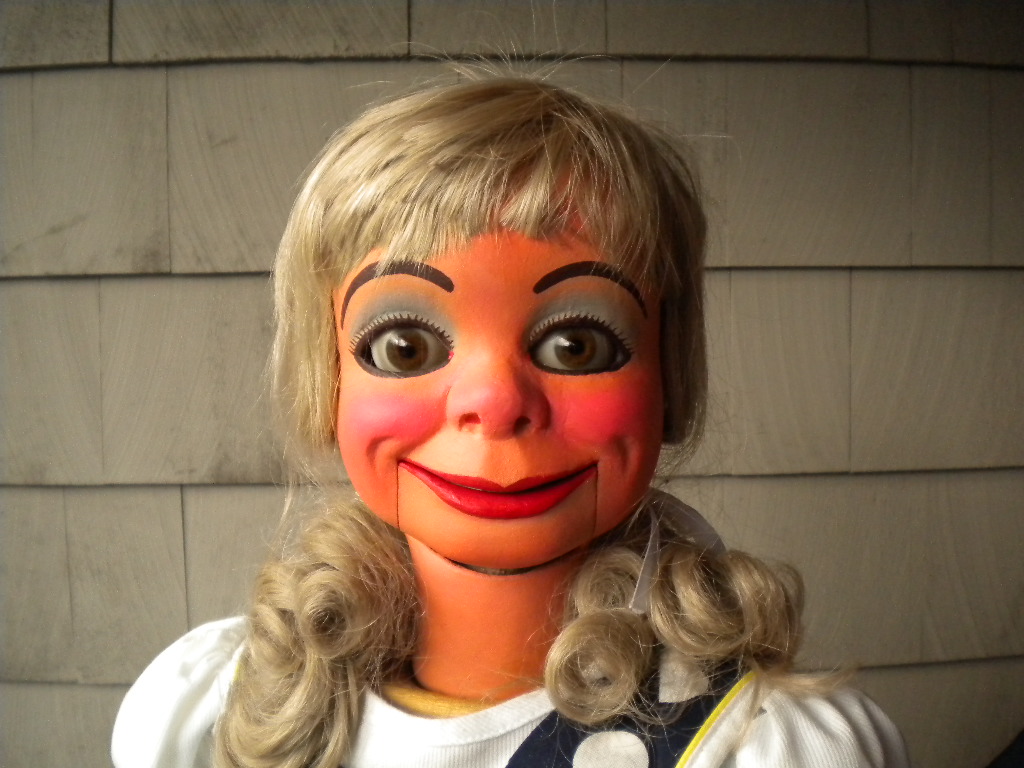
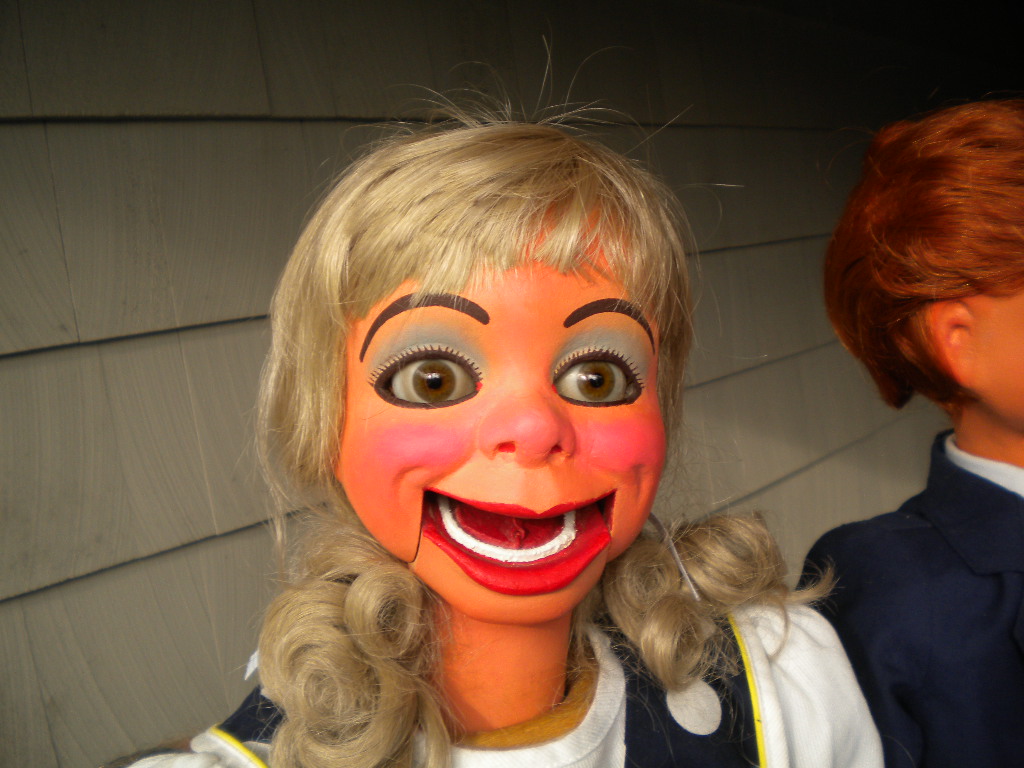
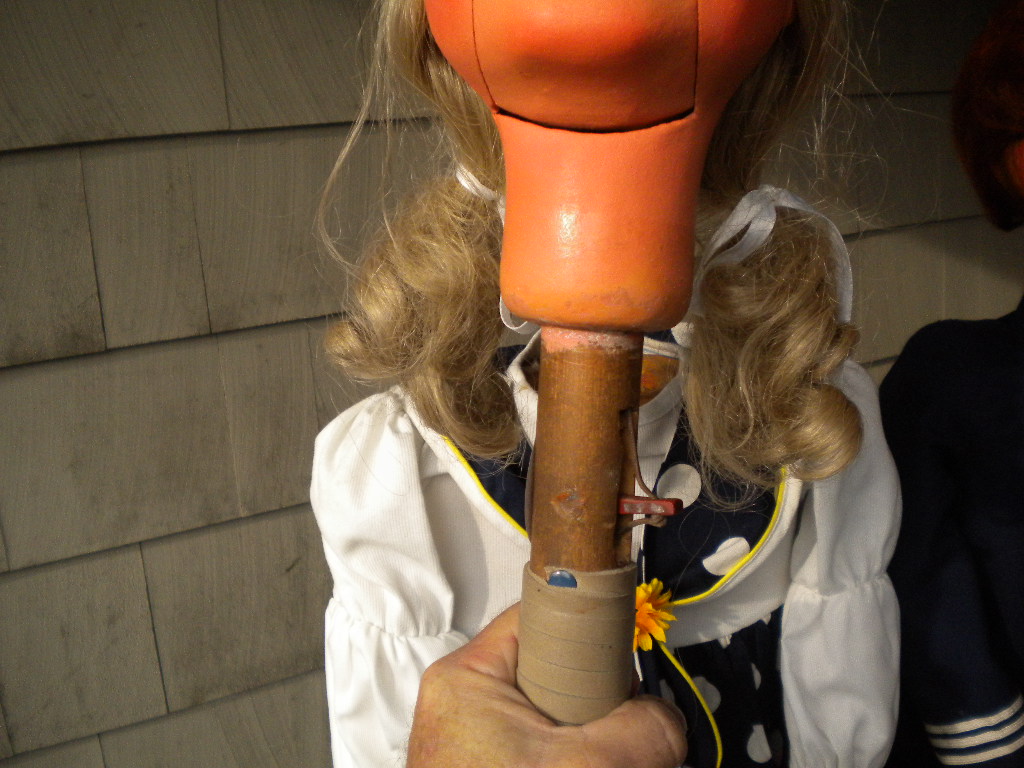
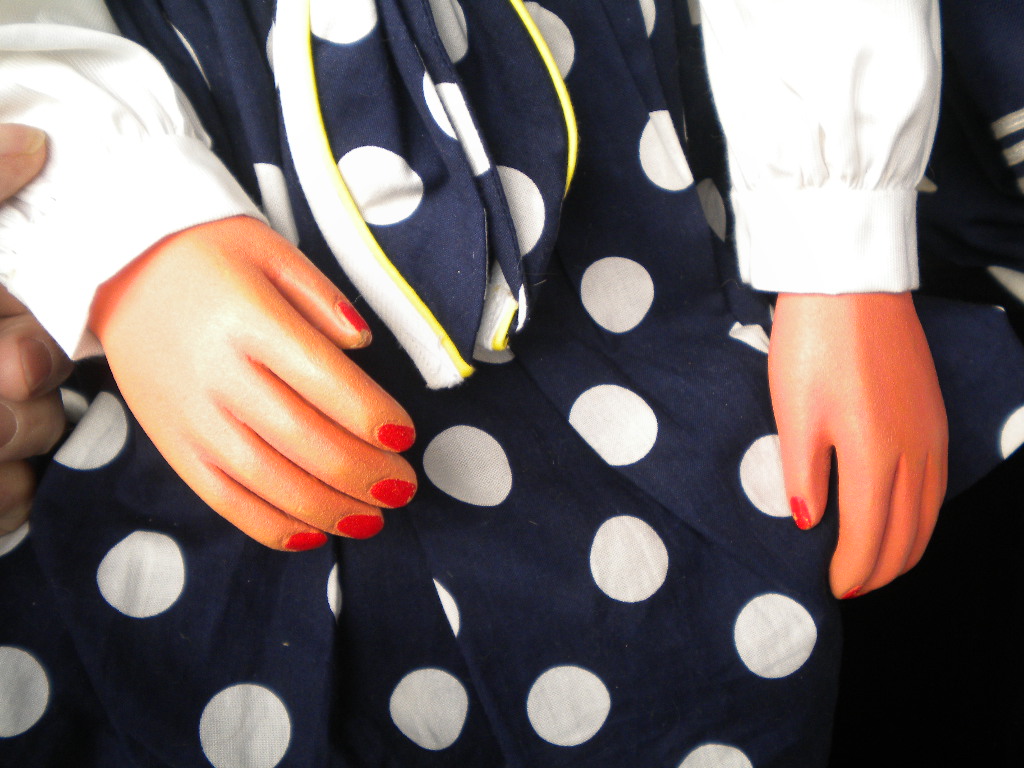
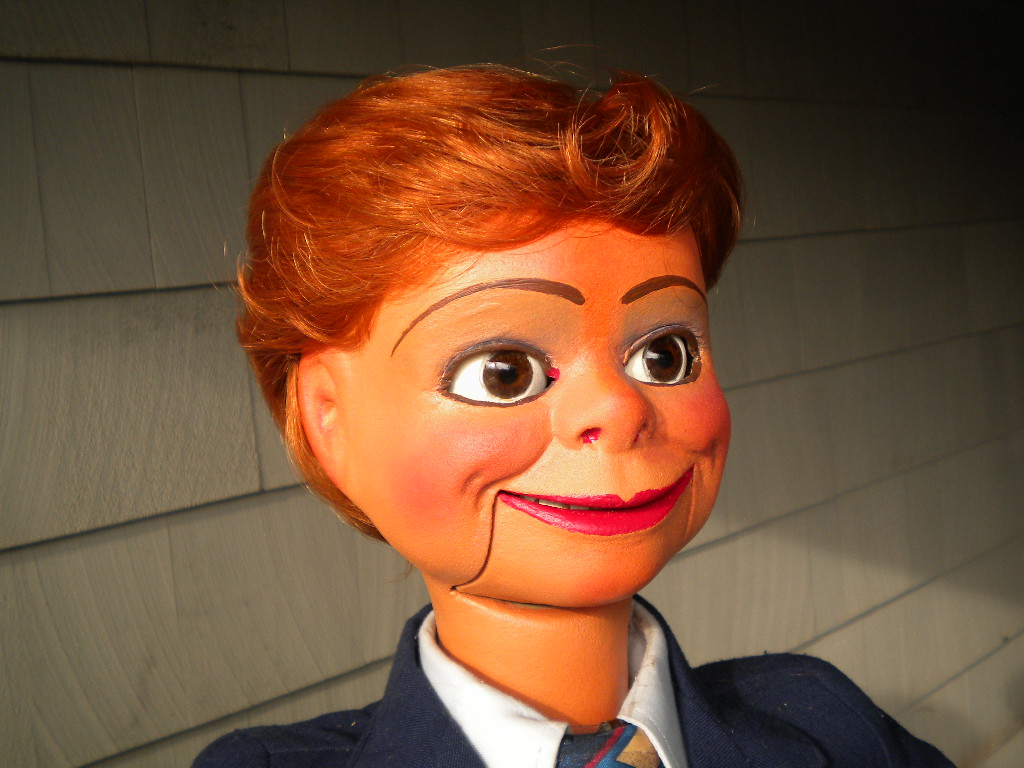
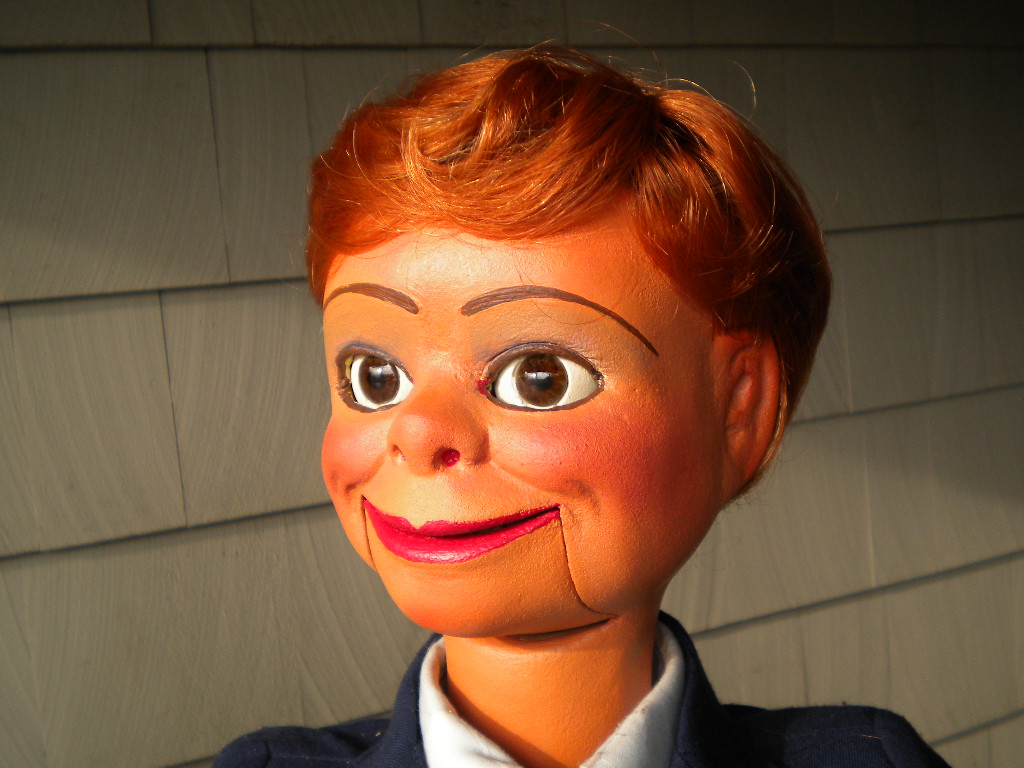
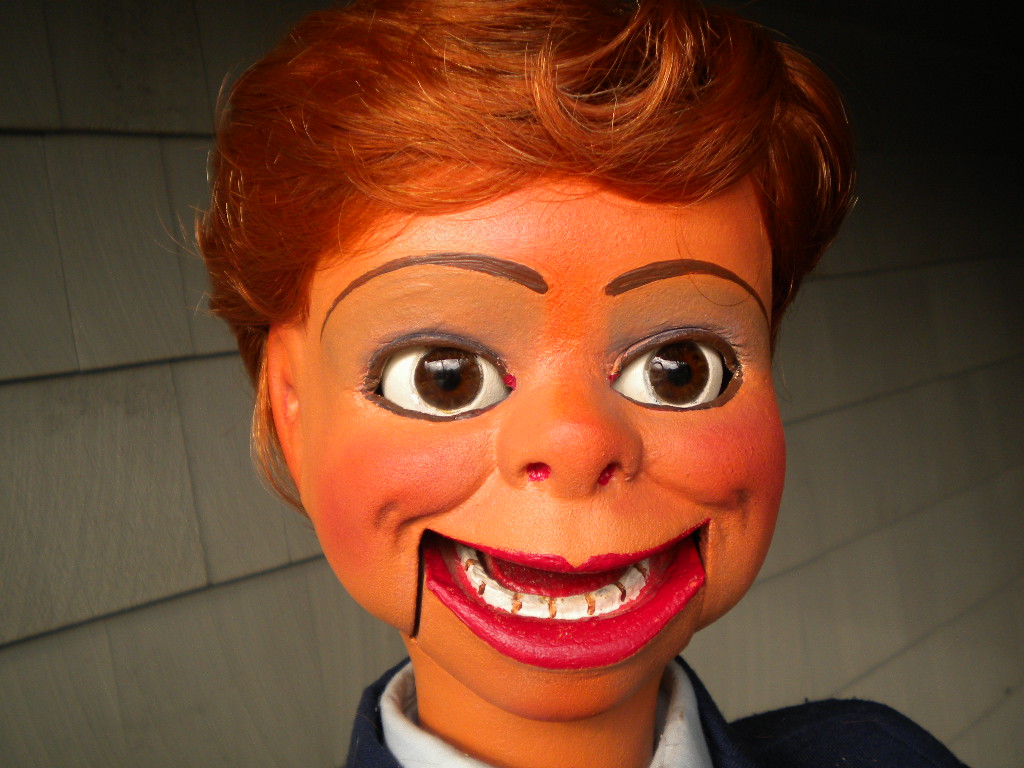
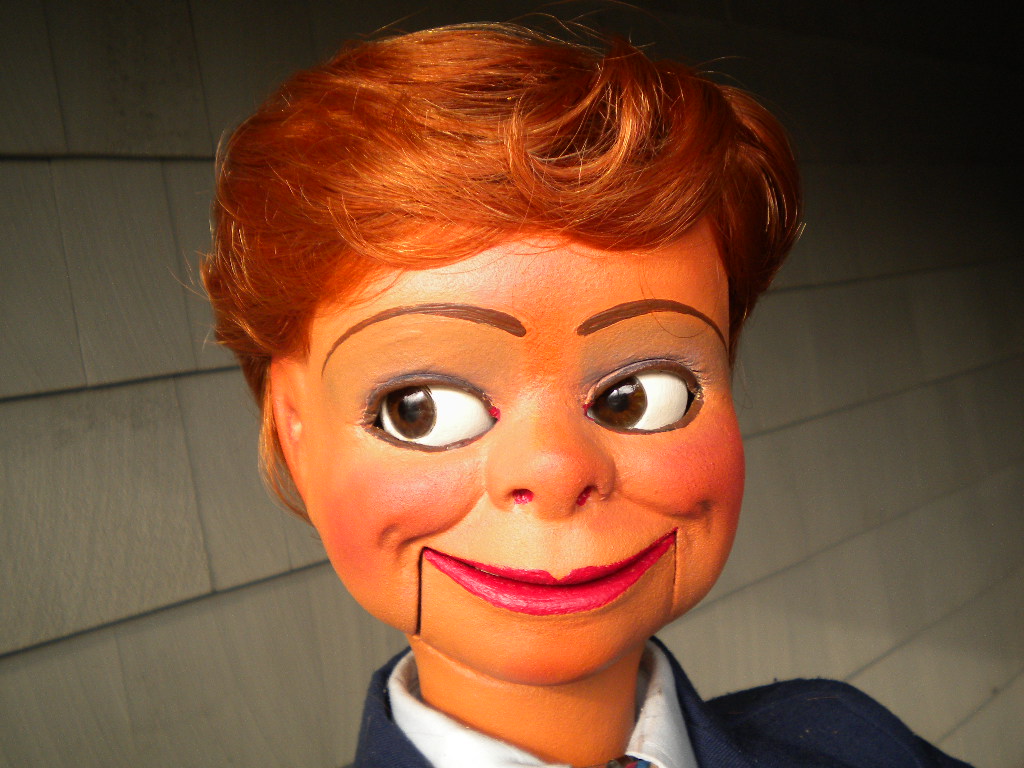
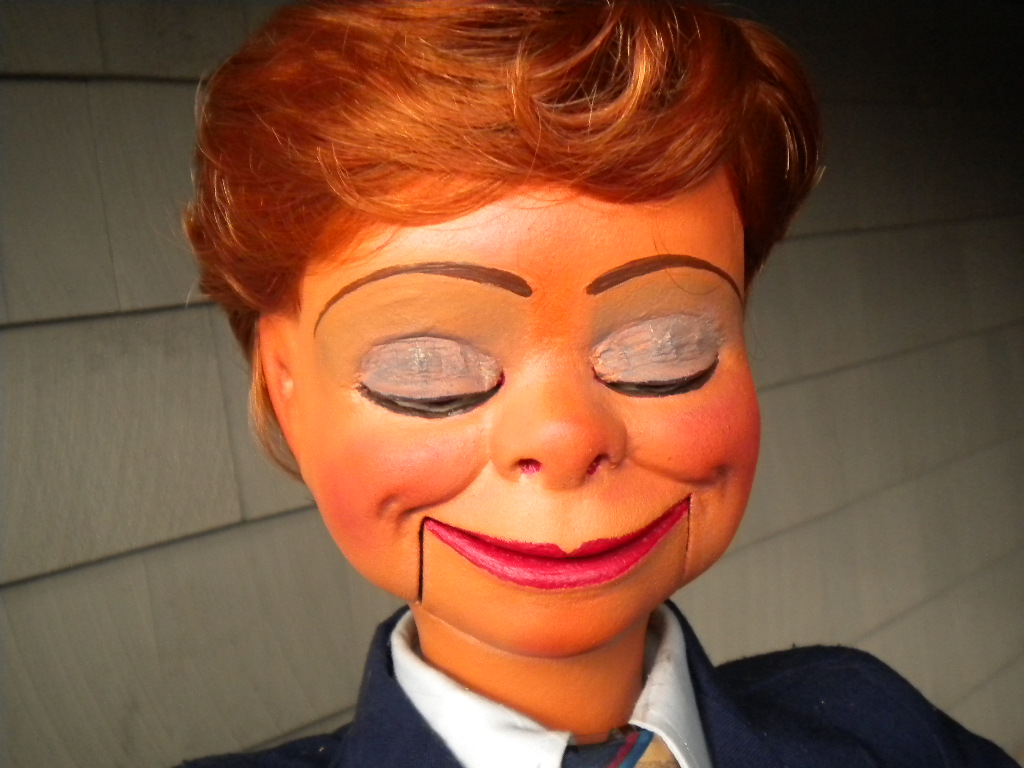
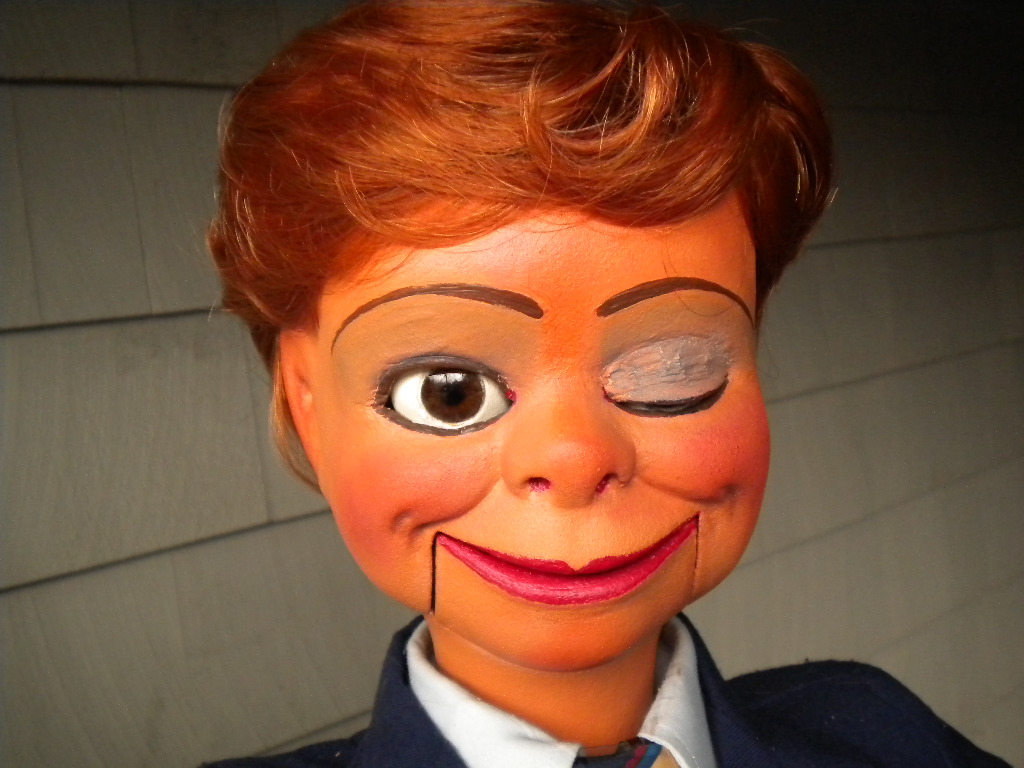
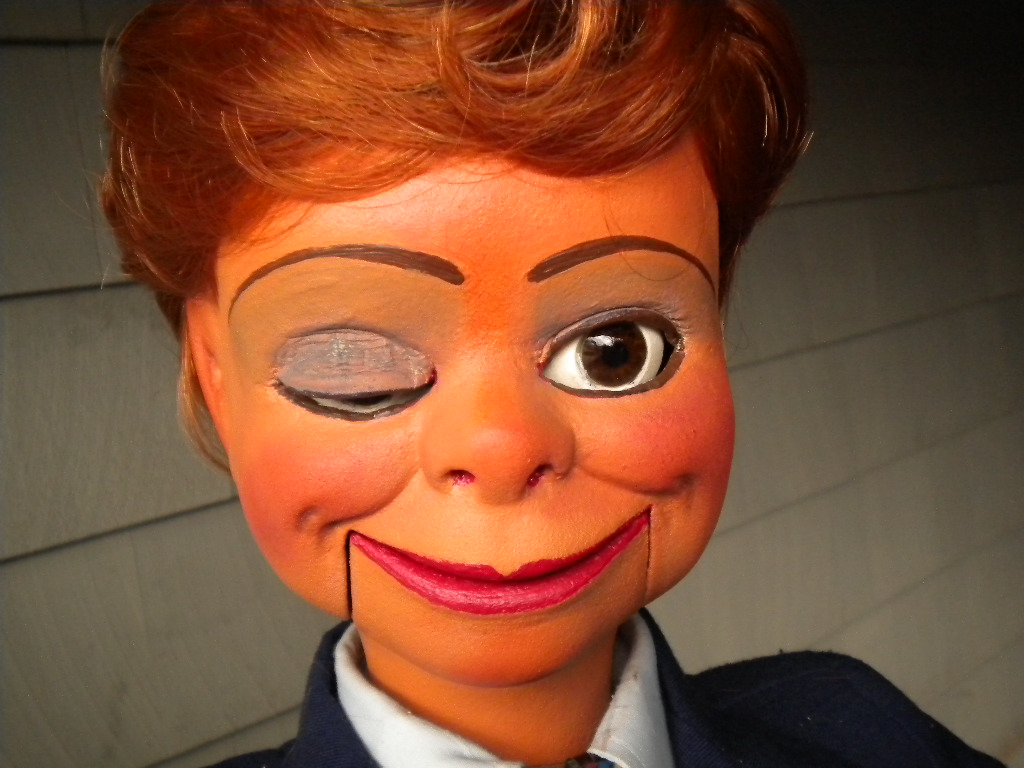
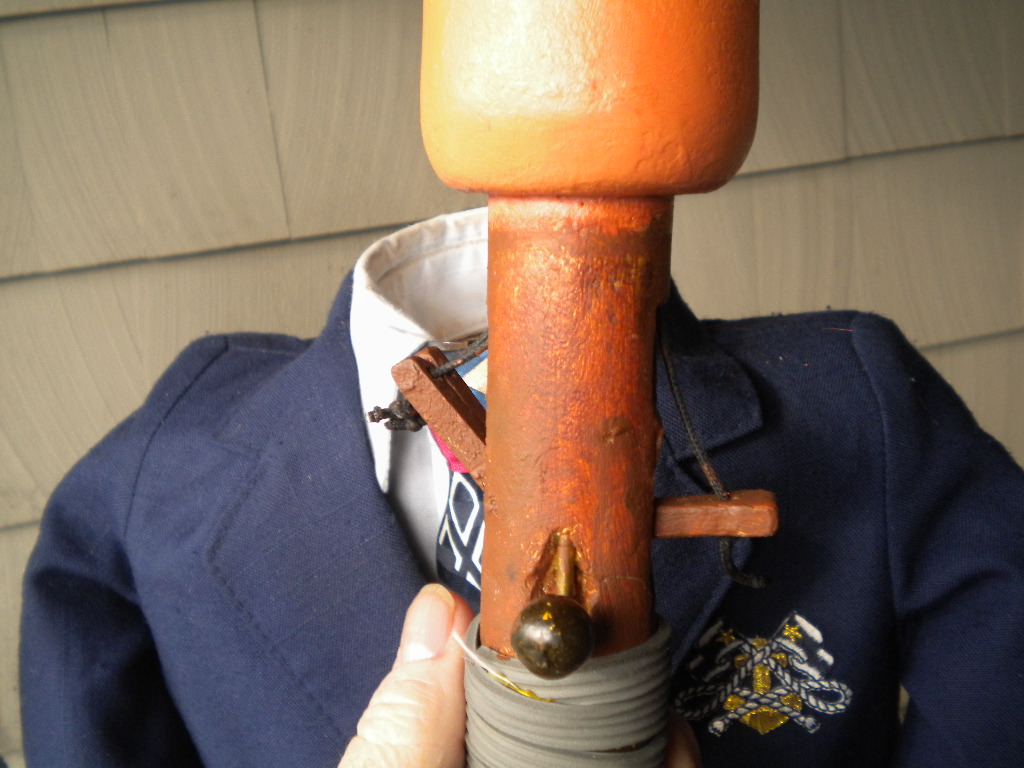
Walter Walters Jr 33 photographs
- Movements
- slot jaw / moving mouth; self-centering eyes; winkers; lever mouth control
- Dates given
- 1995
Recorded owner Walter is still with as stated on the source page when it was written — not current ownership
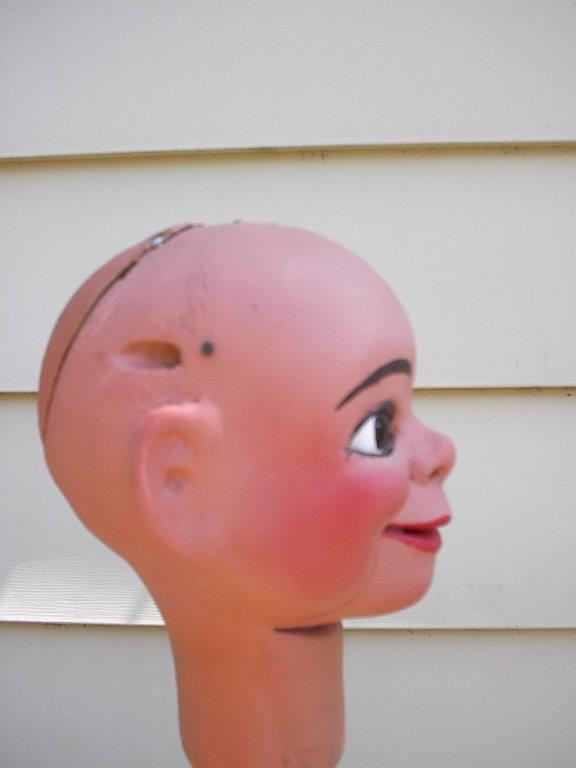
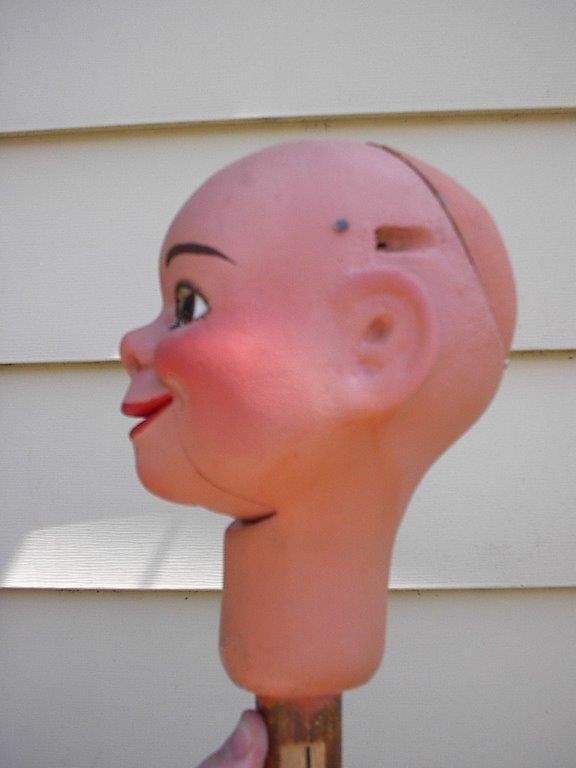
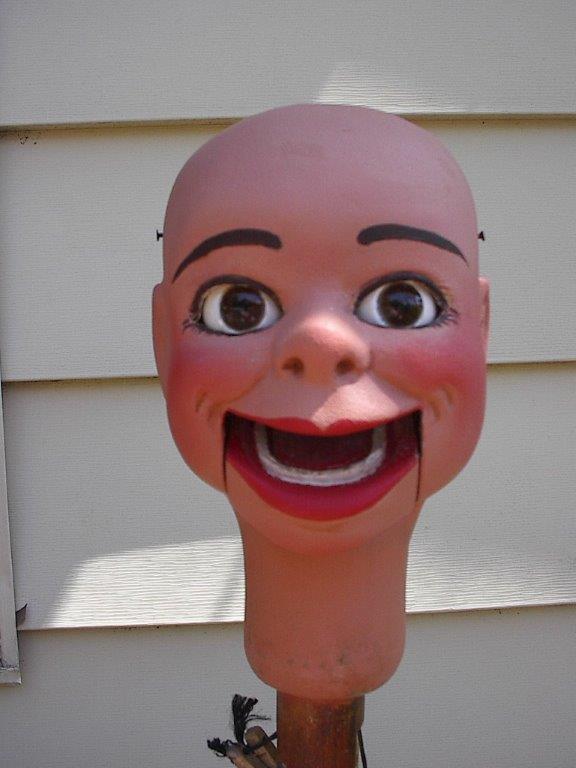
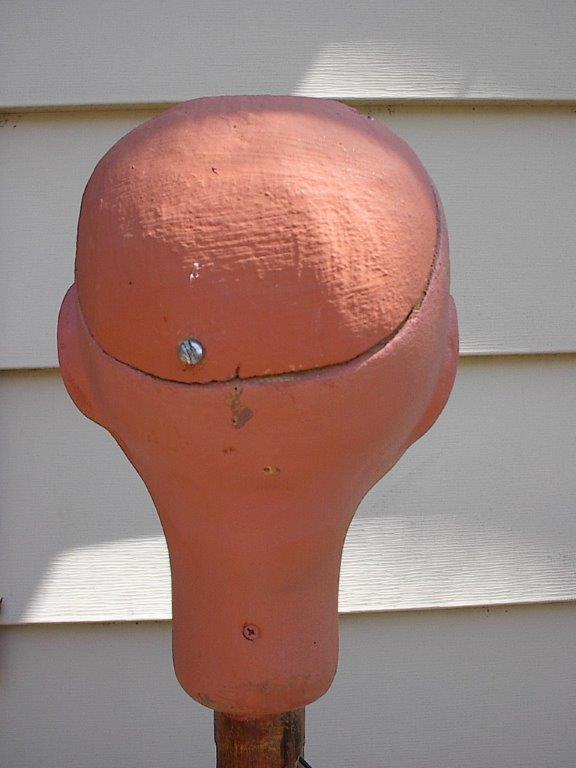
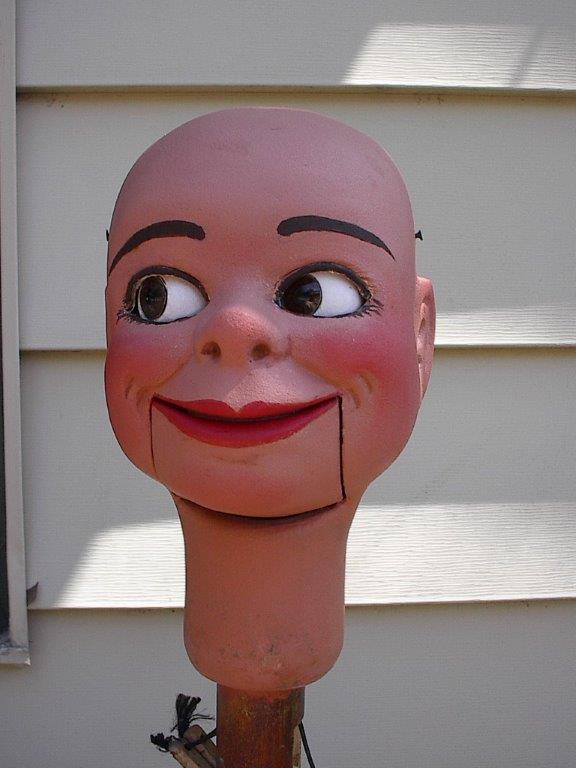
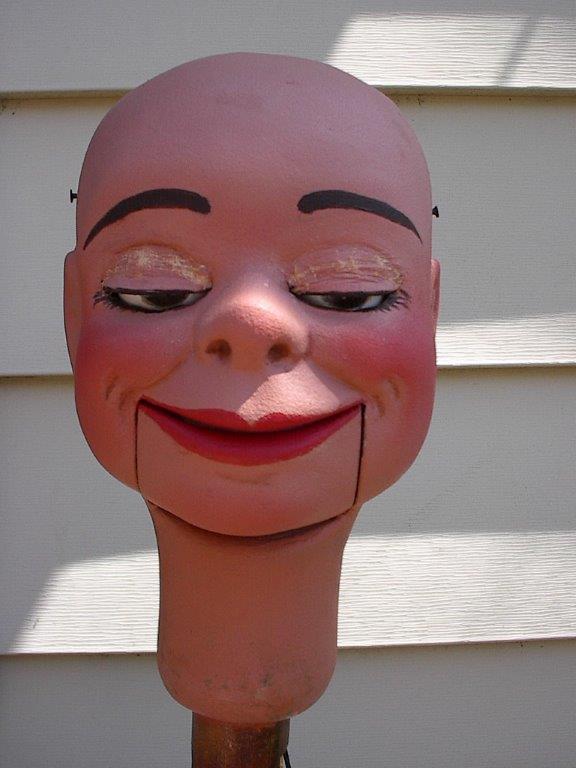
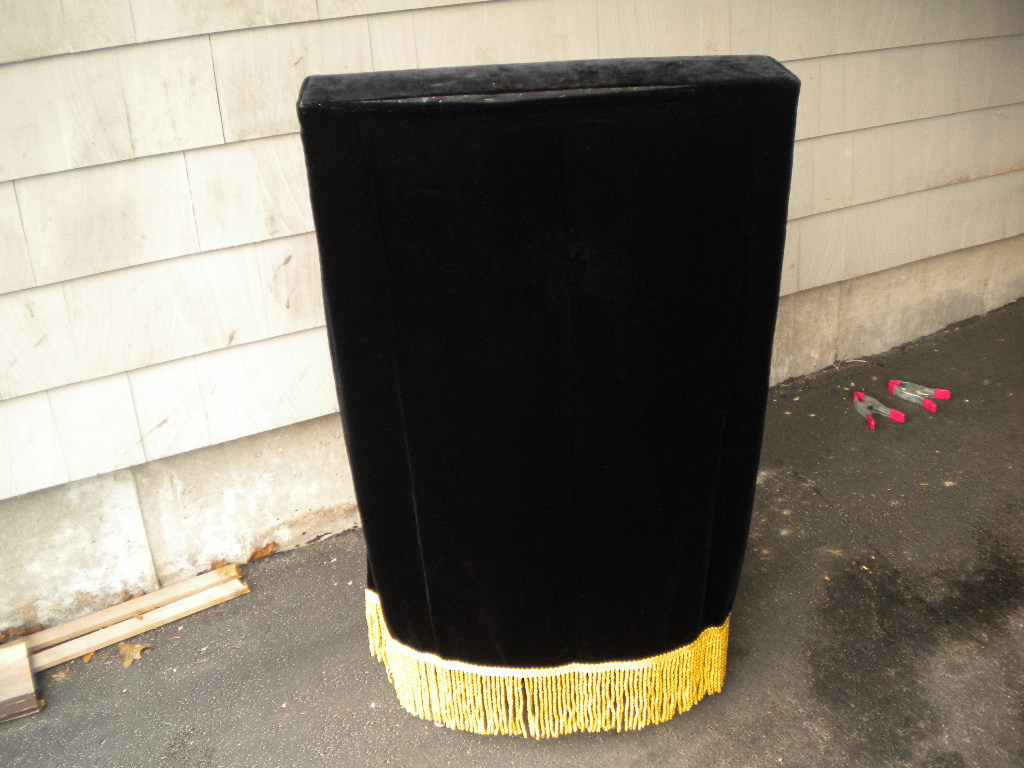
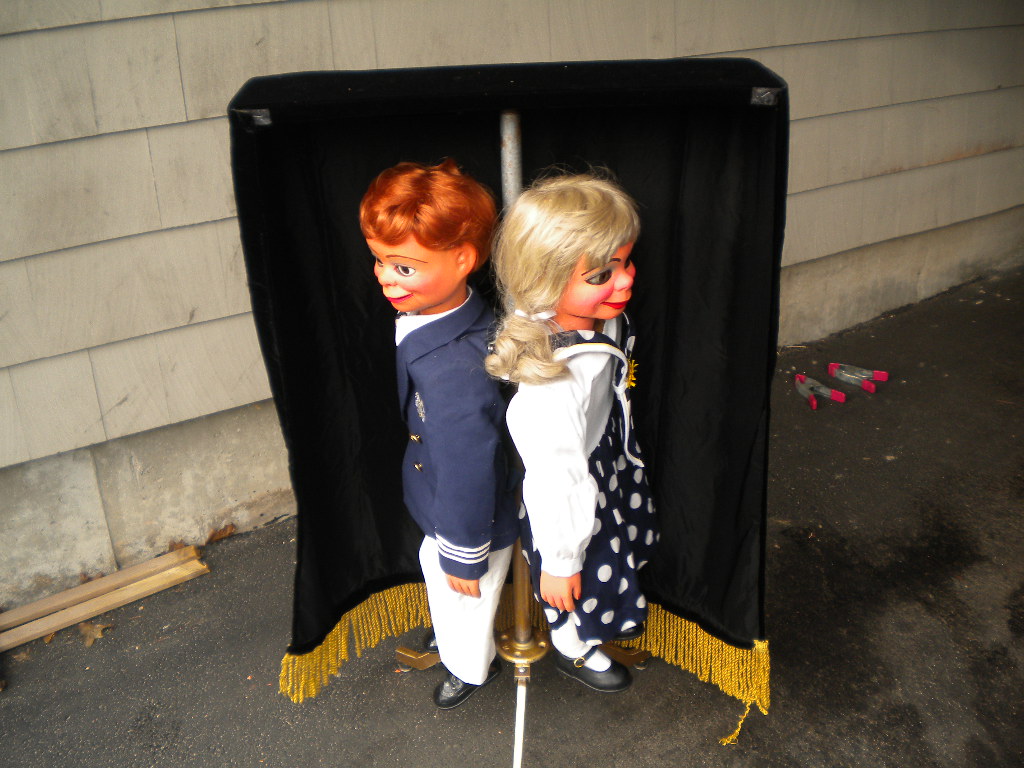
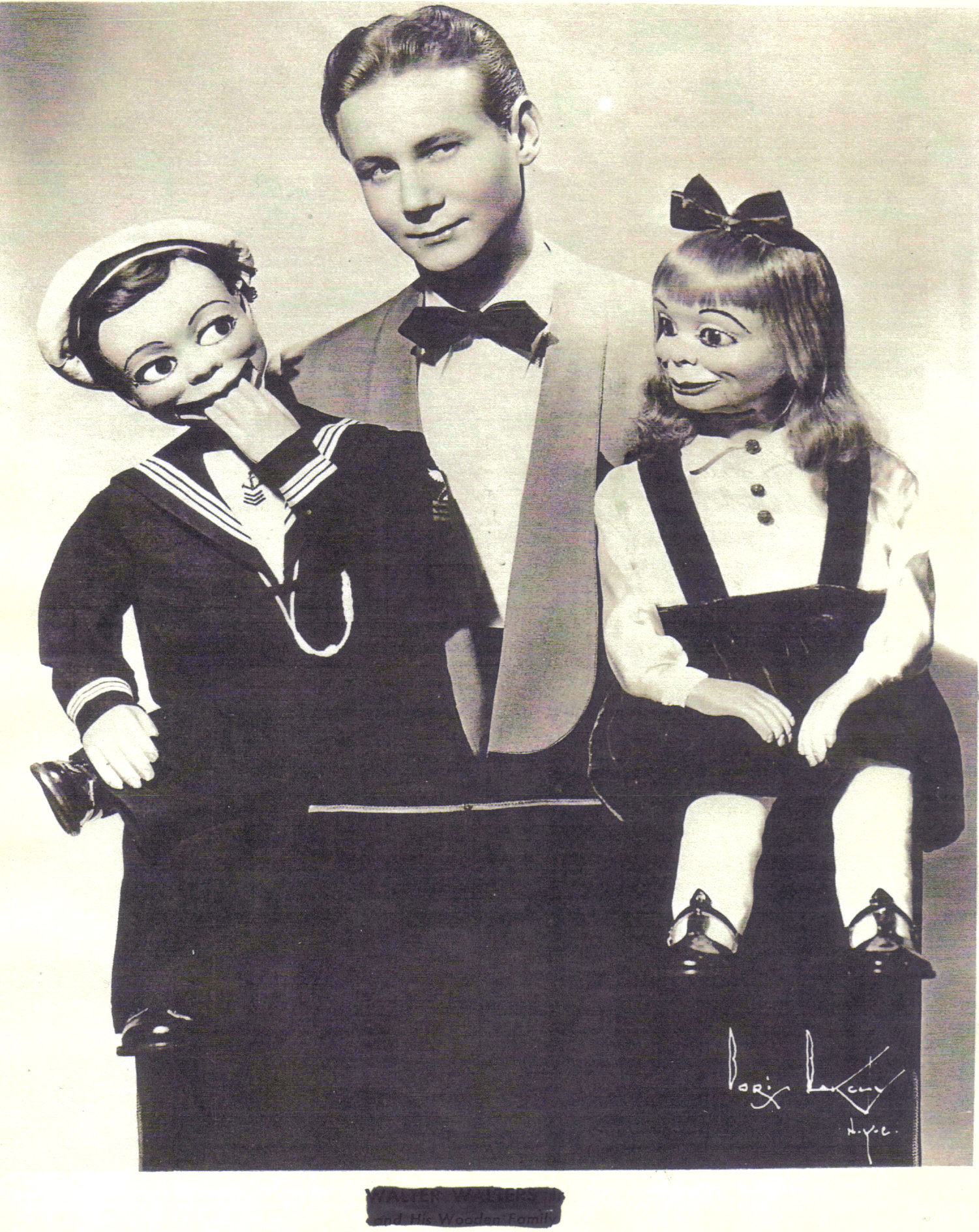
Eddie Garson Chico Chico 12 photographs
- Size
- 42"
- Materials
- carved wood
- Movements
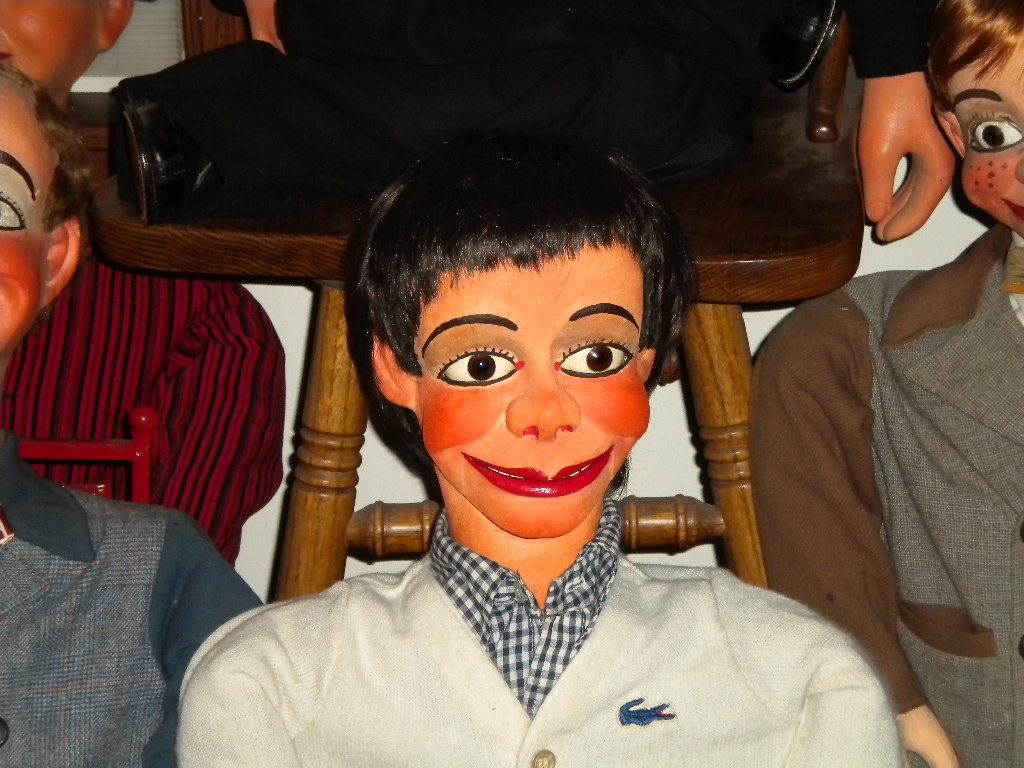
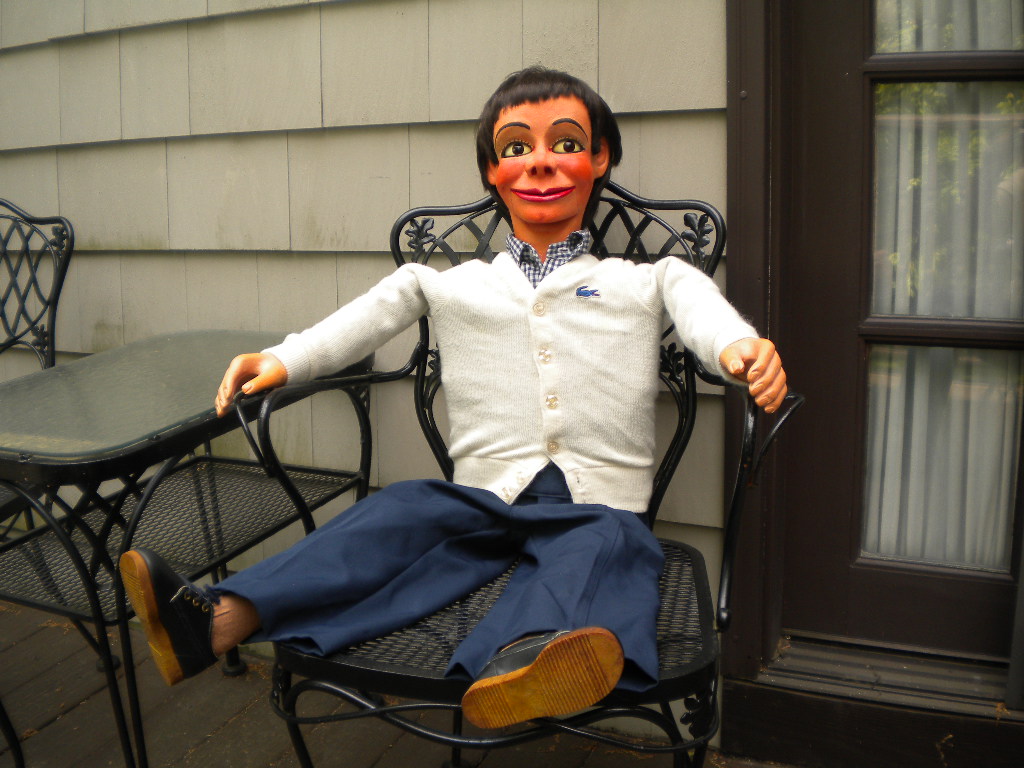
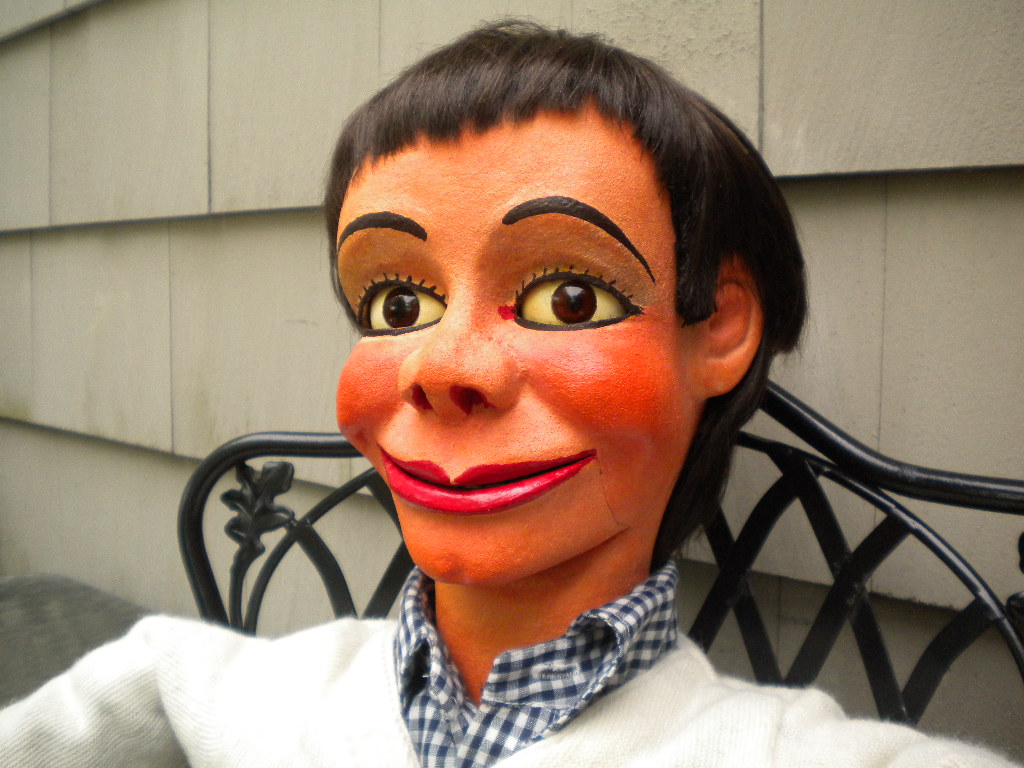
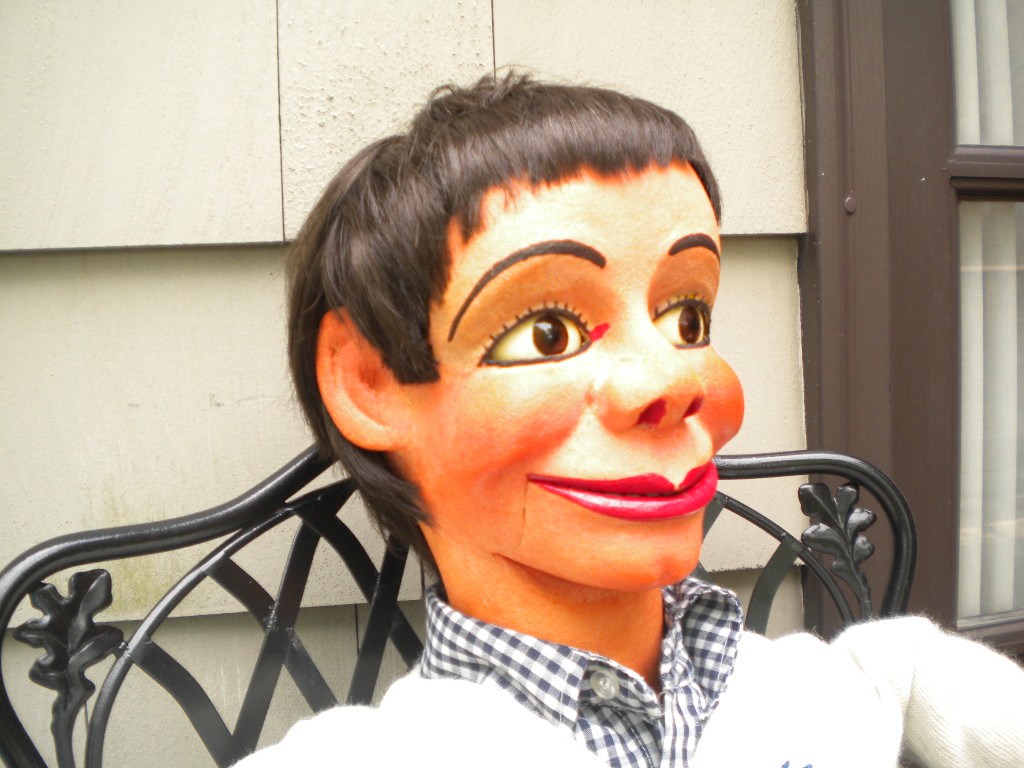
- slot jaw / moving mouth; side-to-side eyes
Recorded owner Ventriloquist Central Collection as stated on the source page when it was written — not current ownership
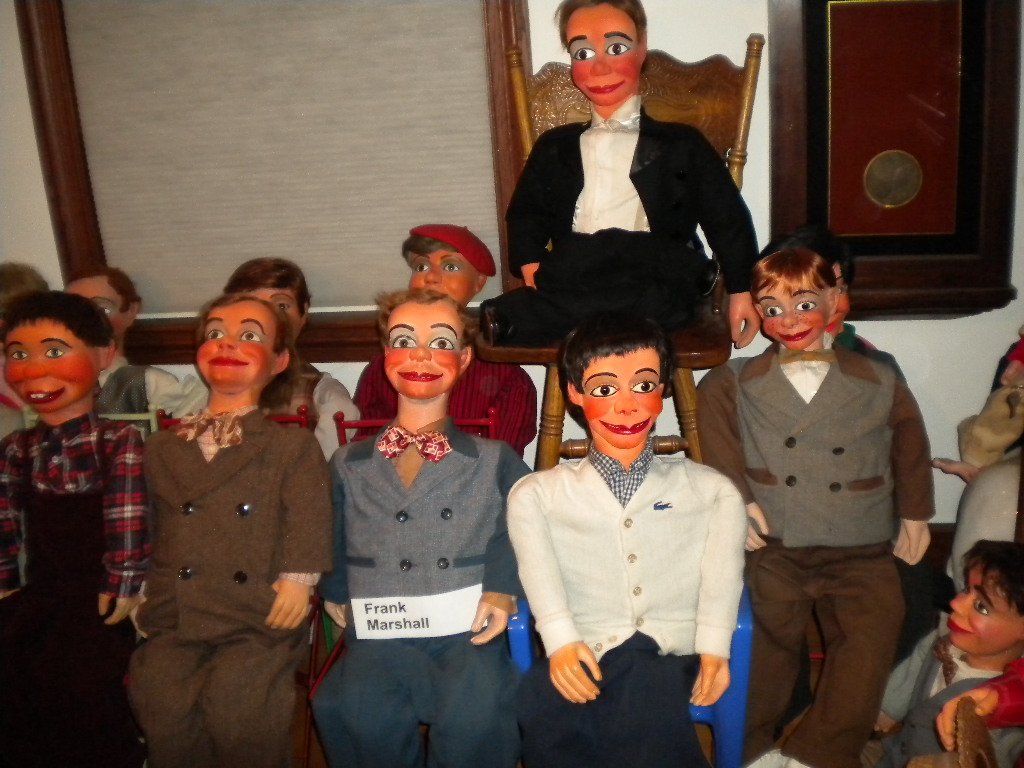
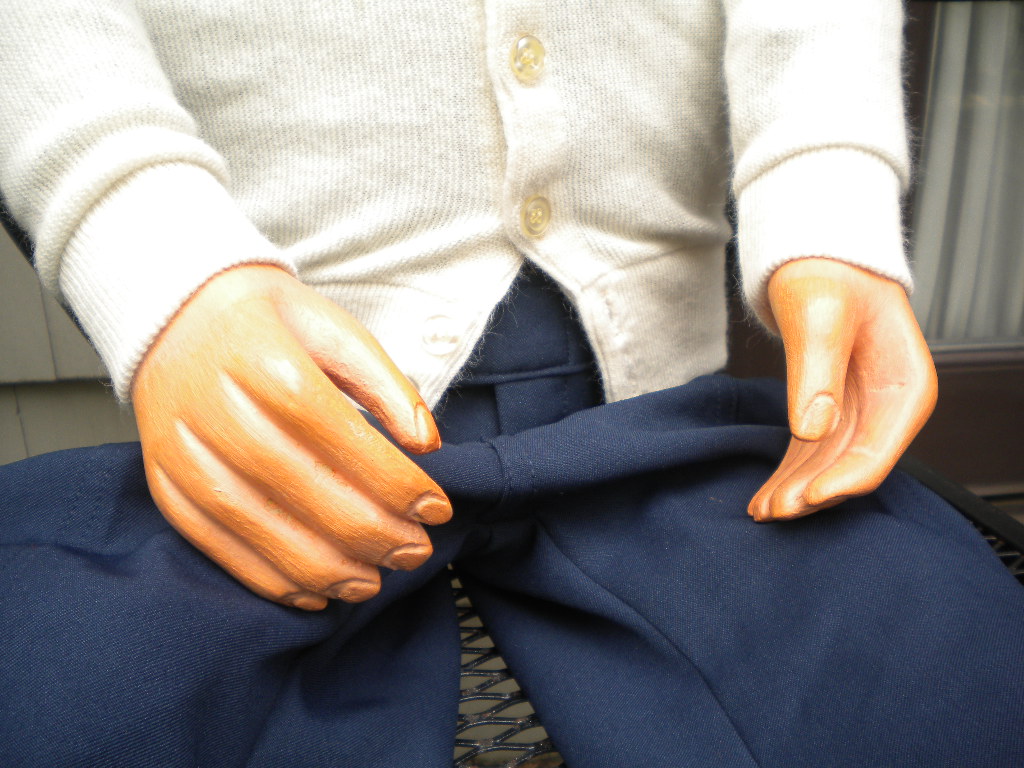
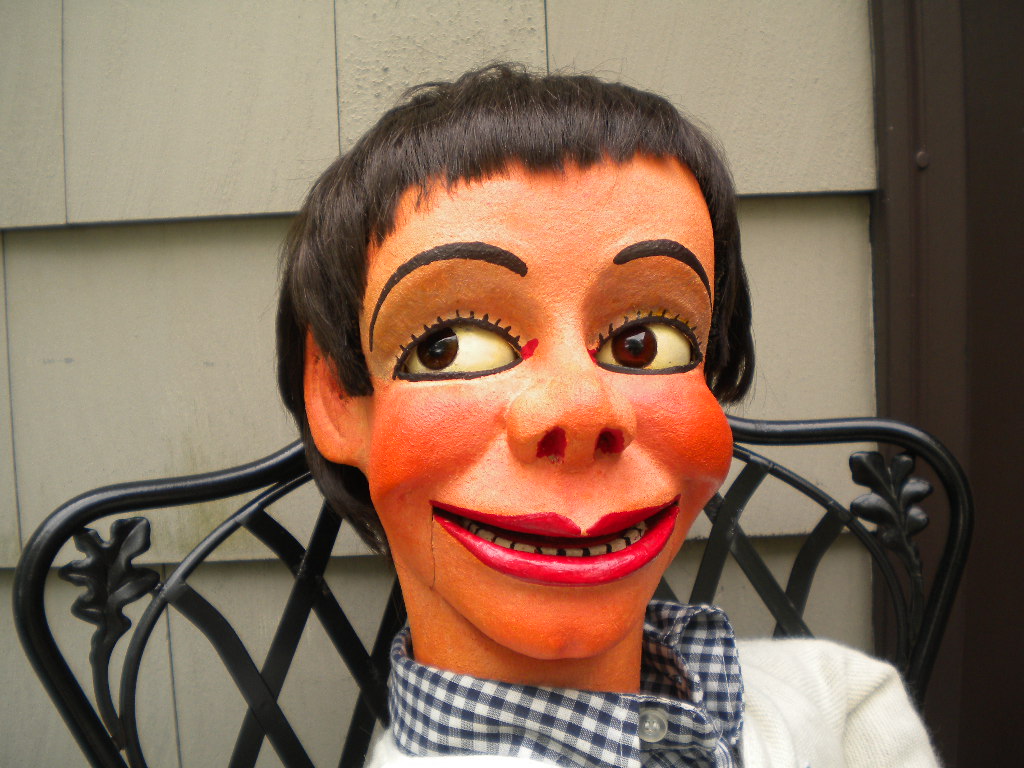
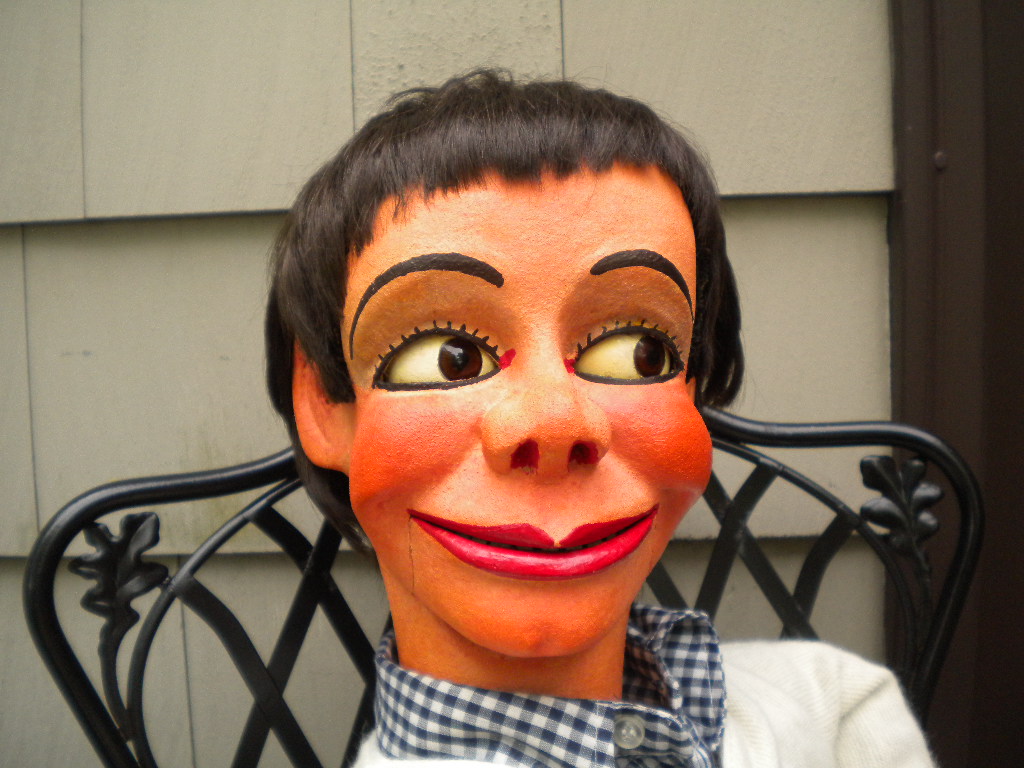
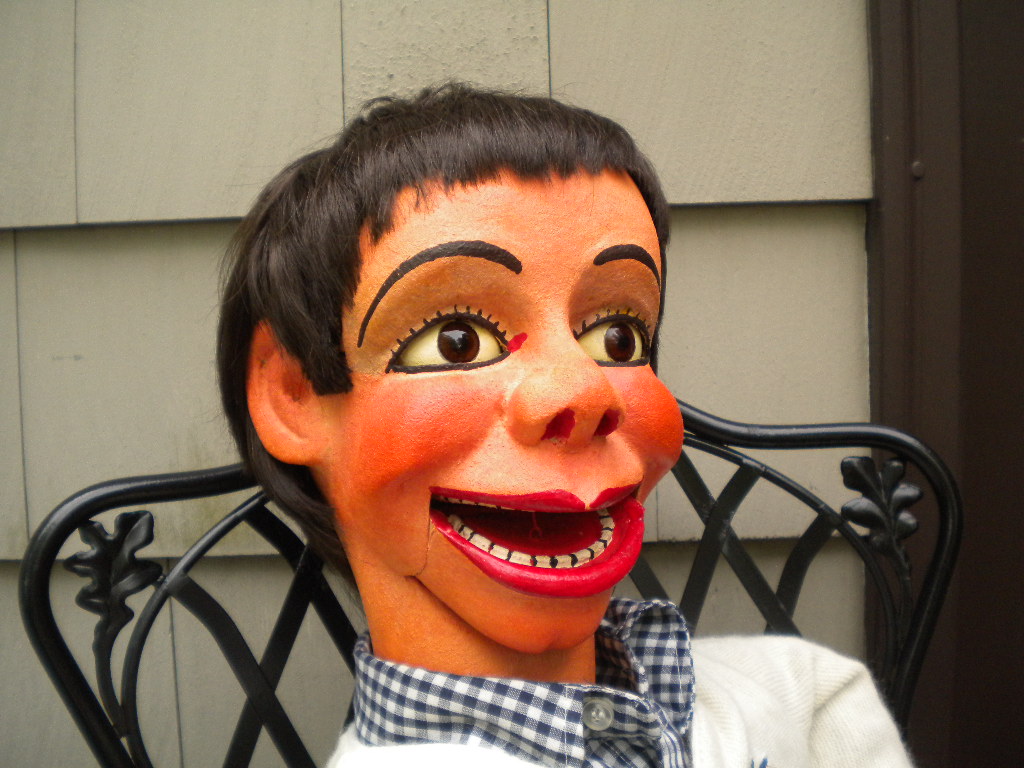
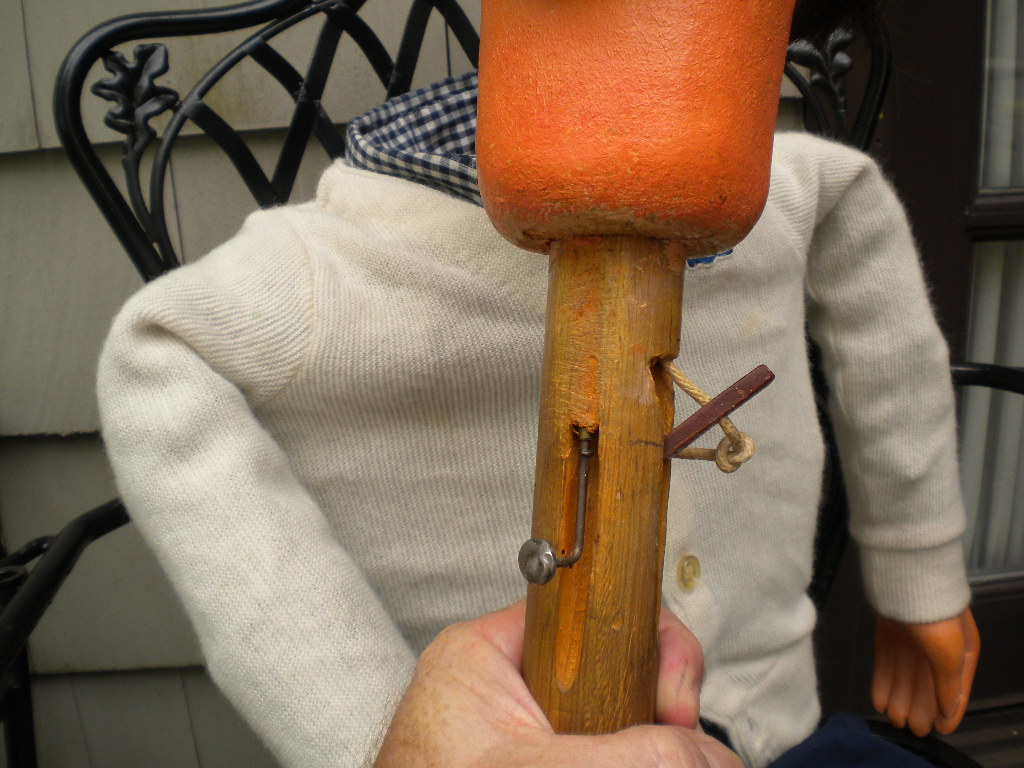
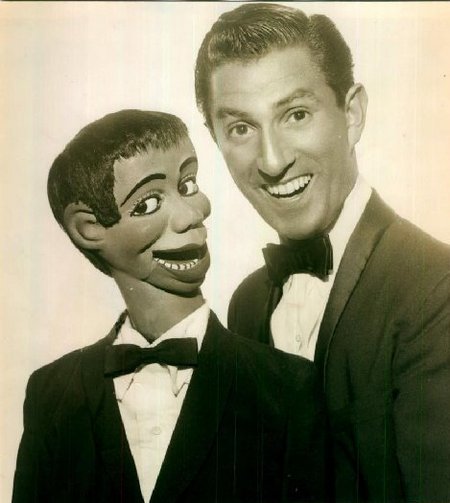
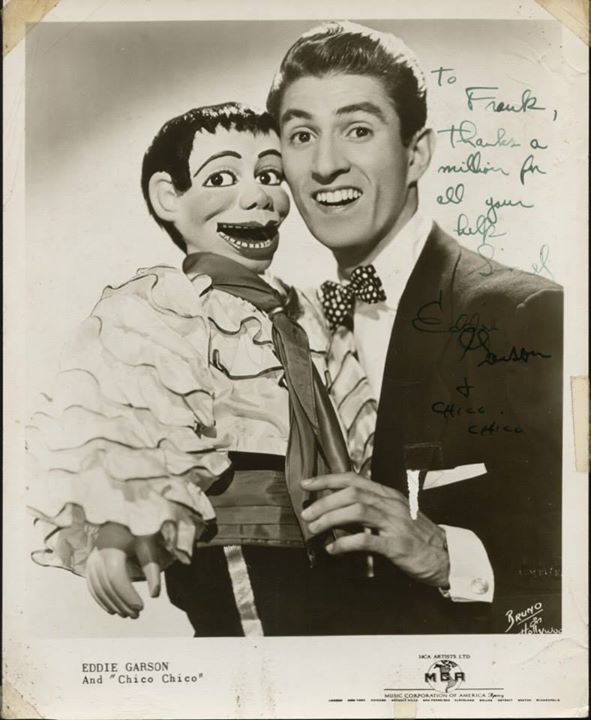
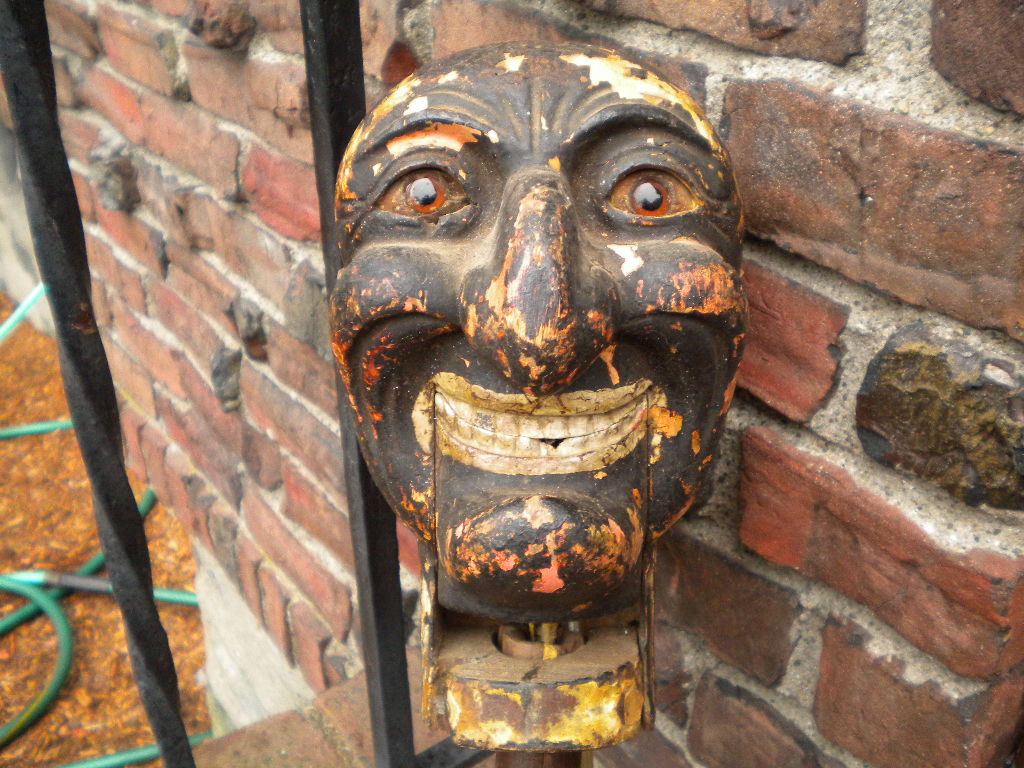
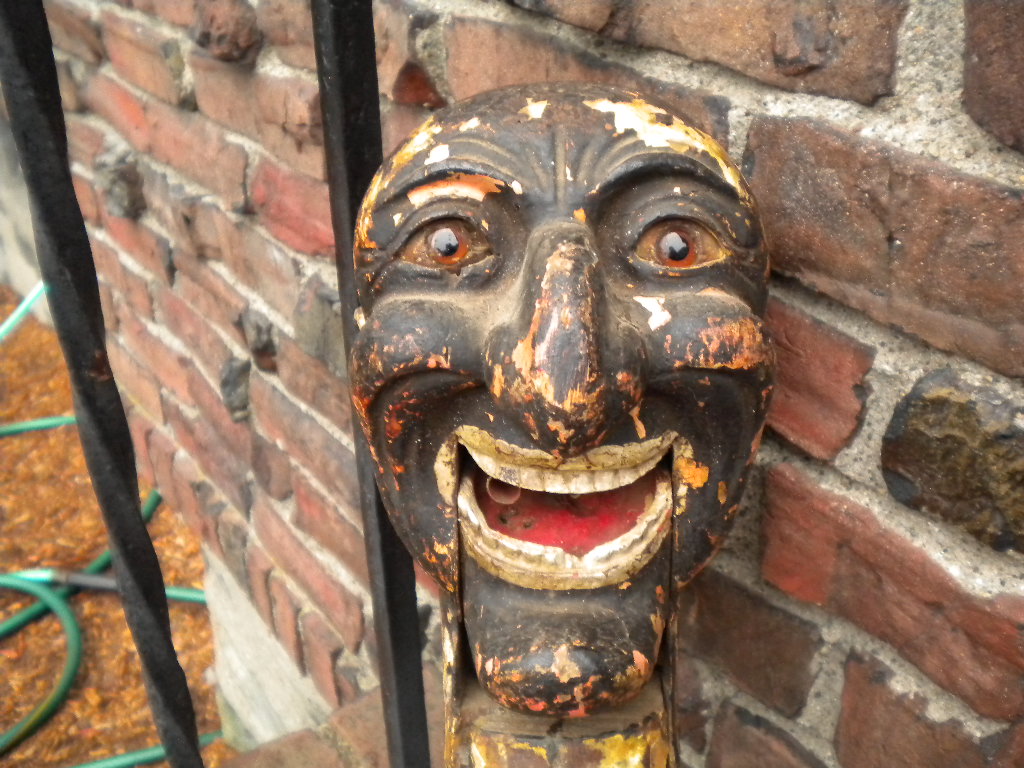
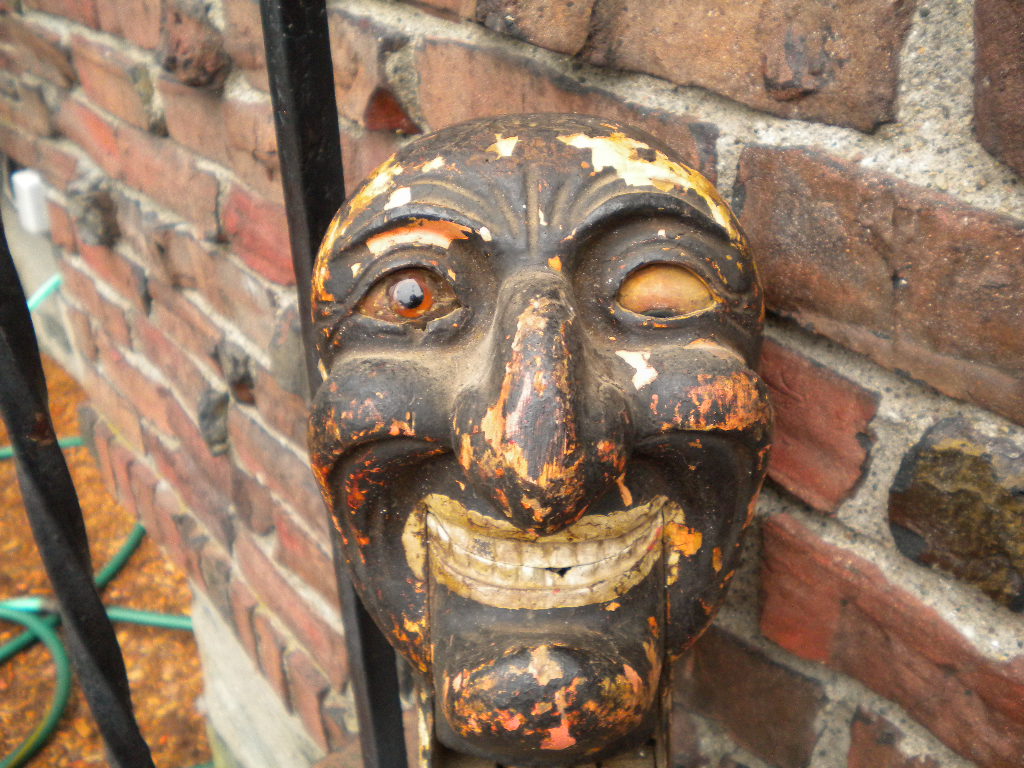
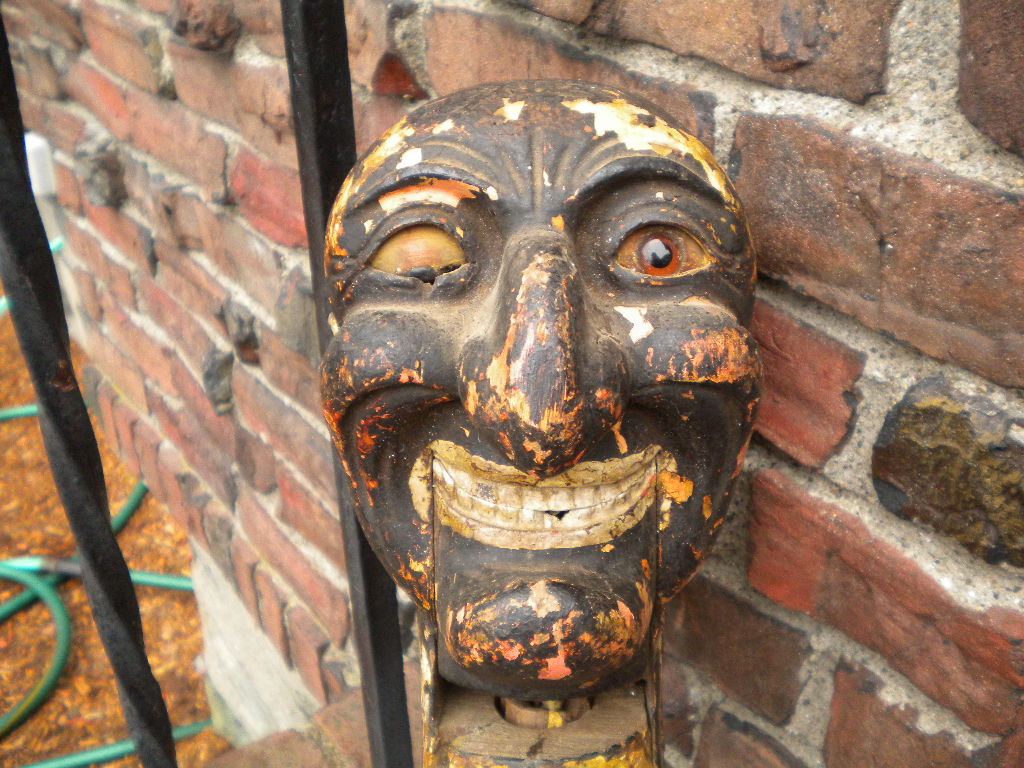
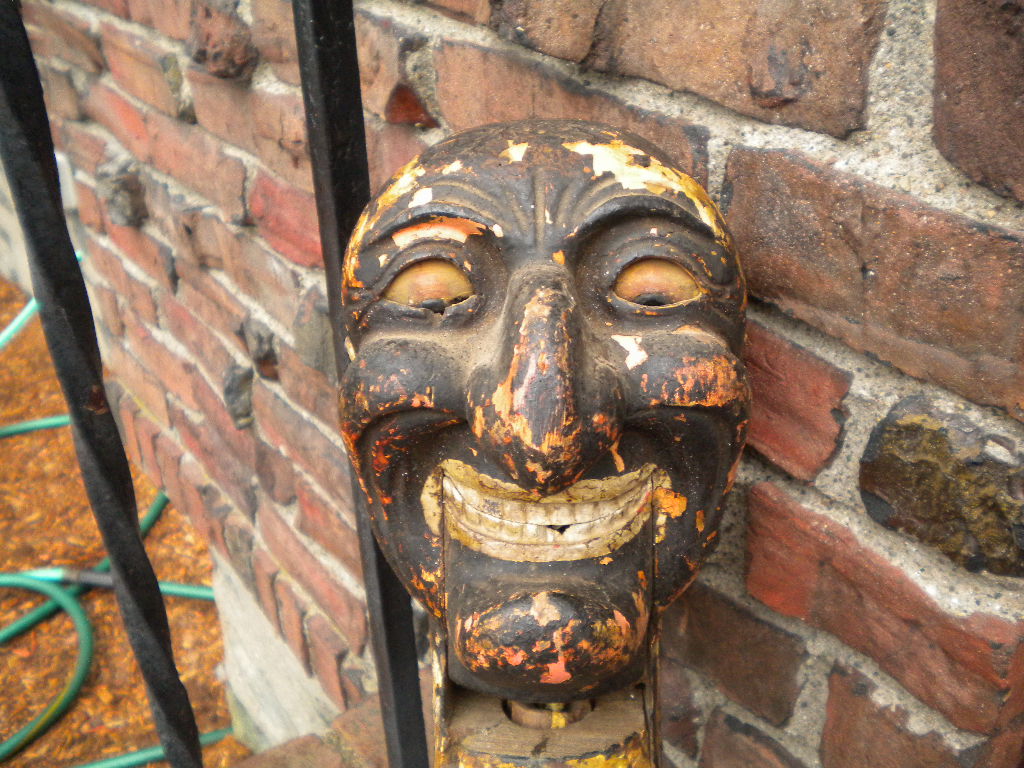
Lucky Charlie a Very Rare 10 photographs
- Materials
- leather
- Movements
- slot jaw / moving mouth; spitter
Recorded owner Ventriloquist Central Collection as stated on the source page when it was written — not current ownership
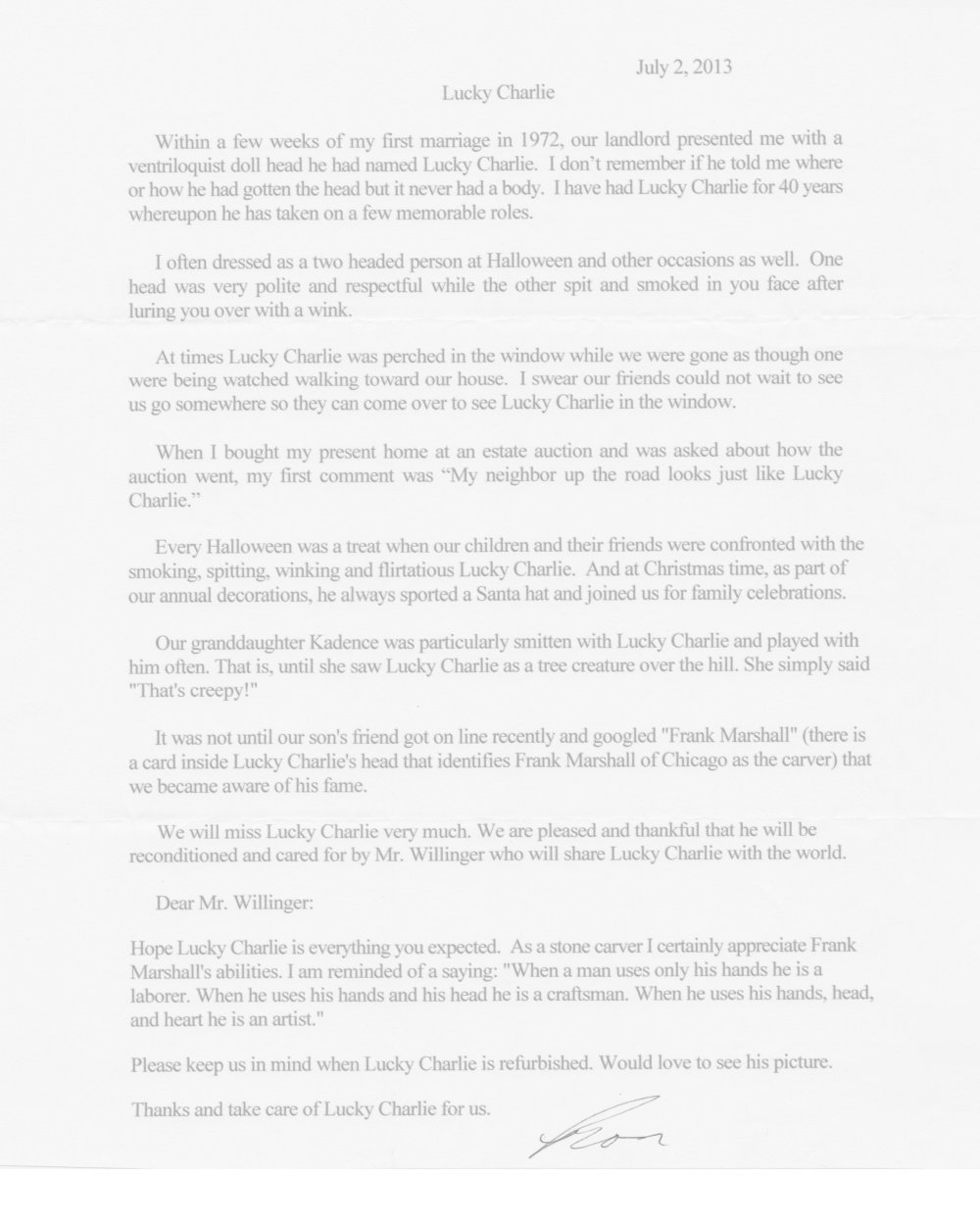
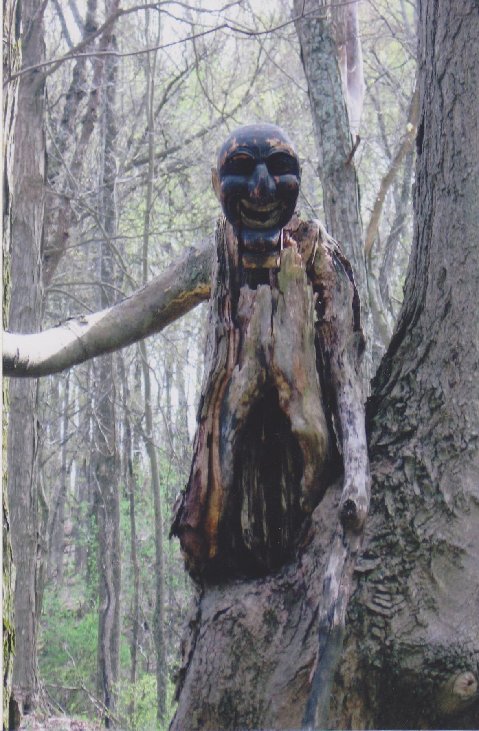
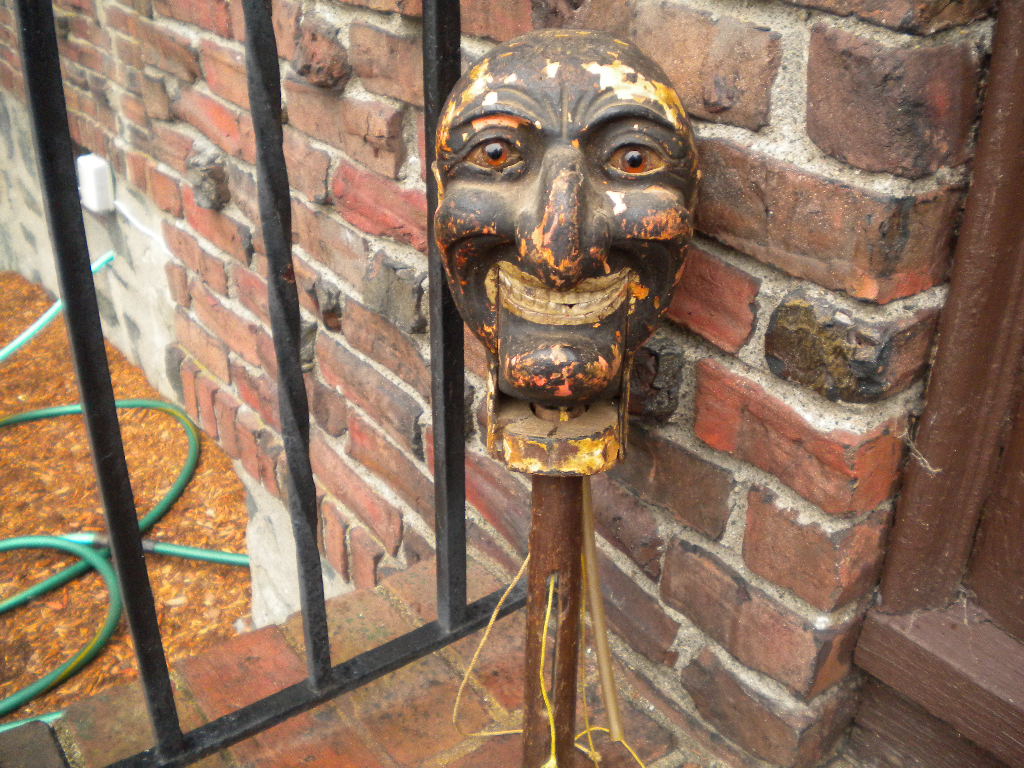
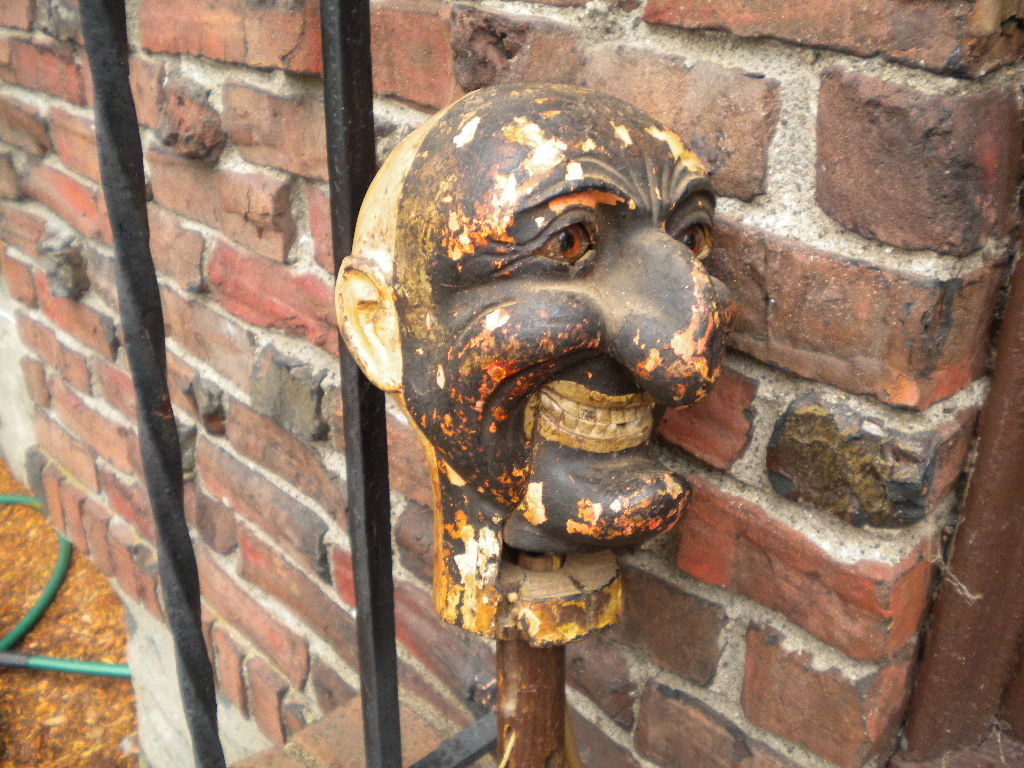
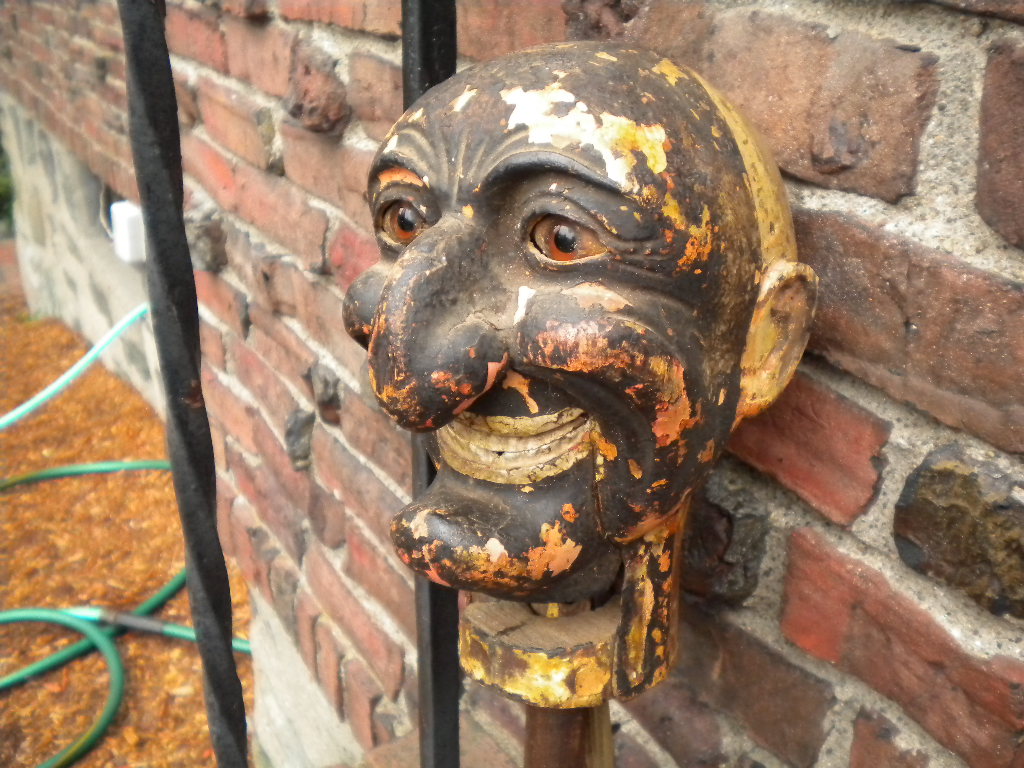
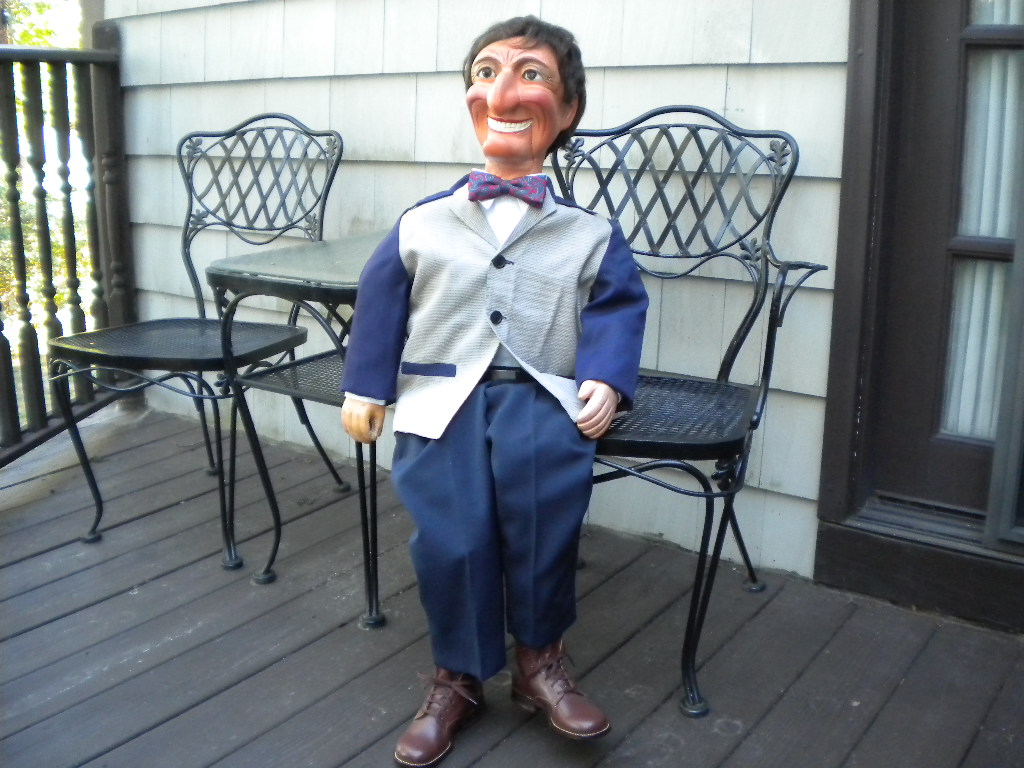
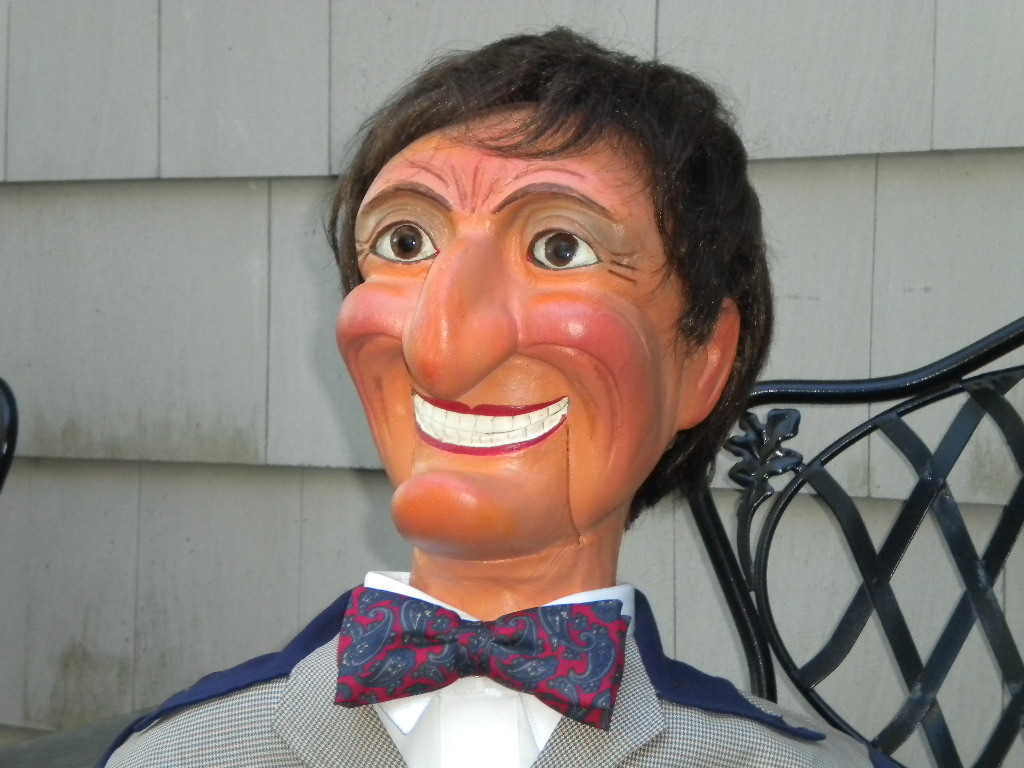
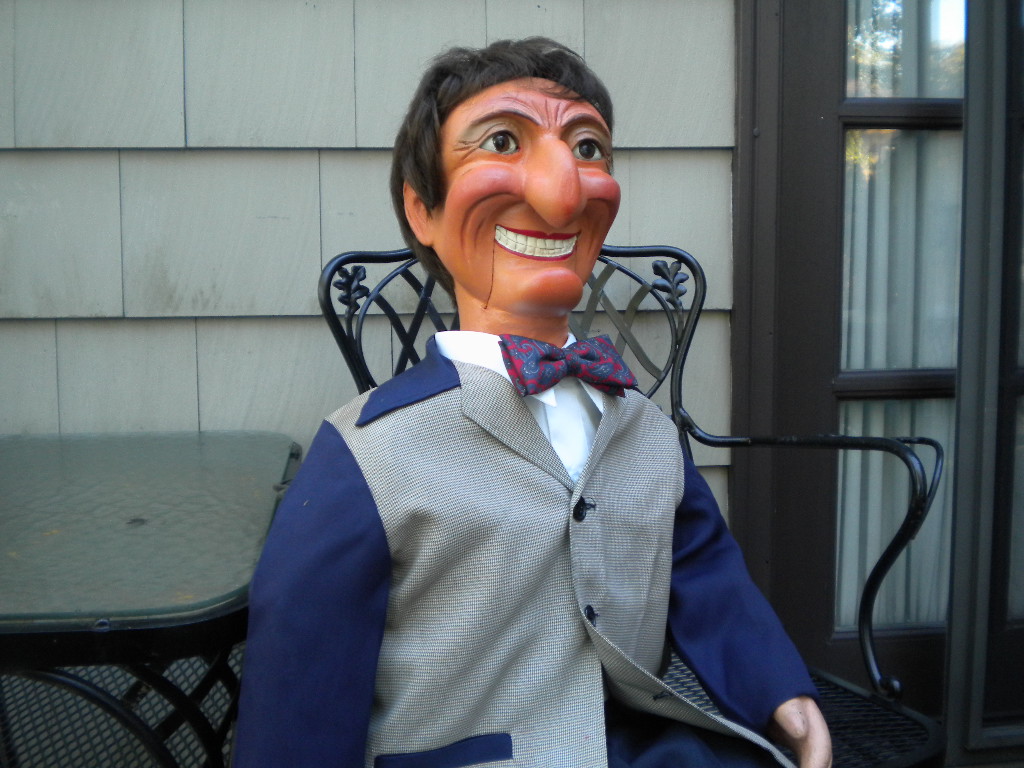
Lucky Charlie a Very Rare Is Restored 14 photographs
- Size
- 40"
- Materials
- leather
- Movements
- slot jaw / moving mouth; winkers; spitter
Recorded owner Ventriloquist Central Collection as stated on the source page when it was written — not current ownership
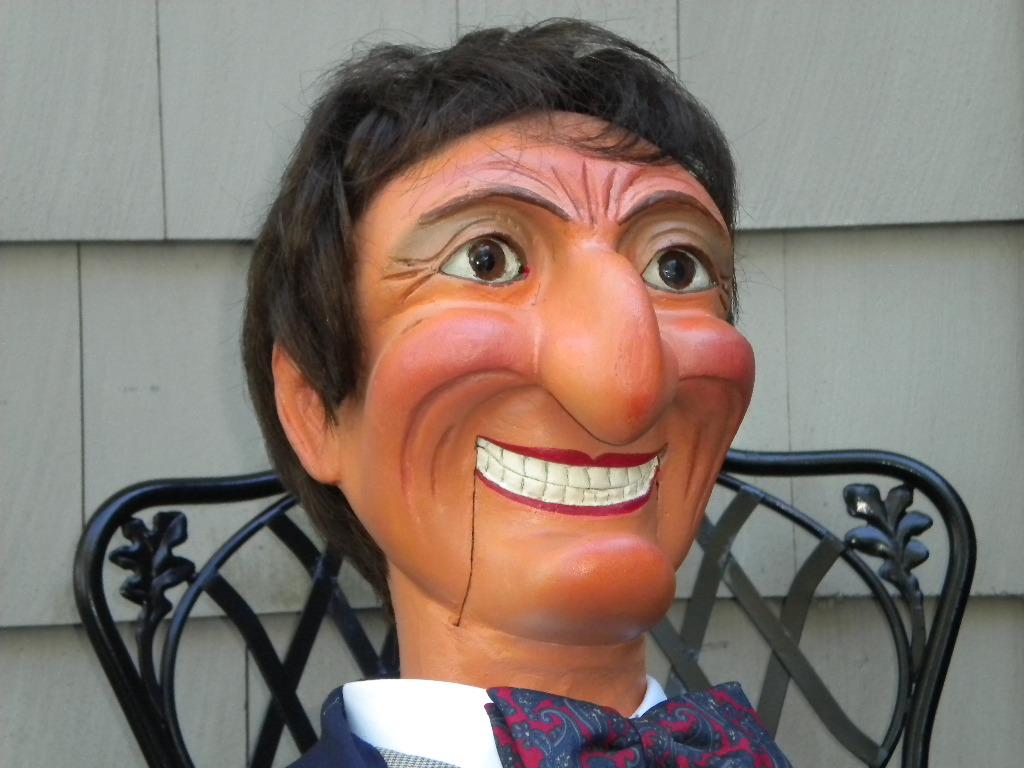
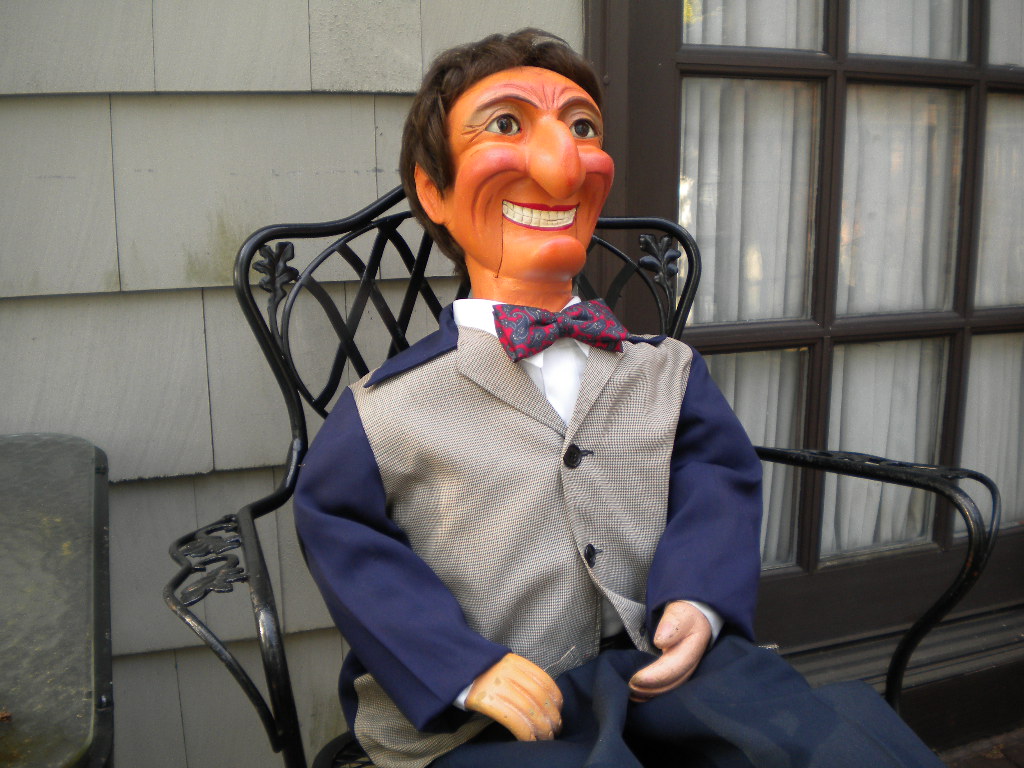
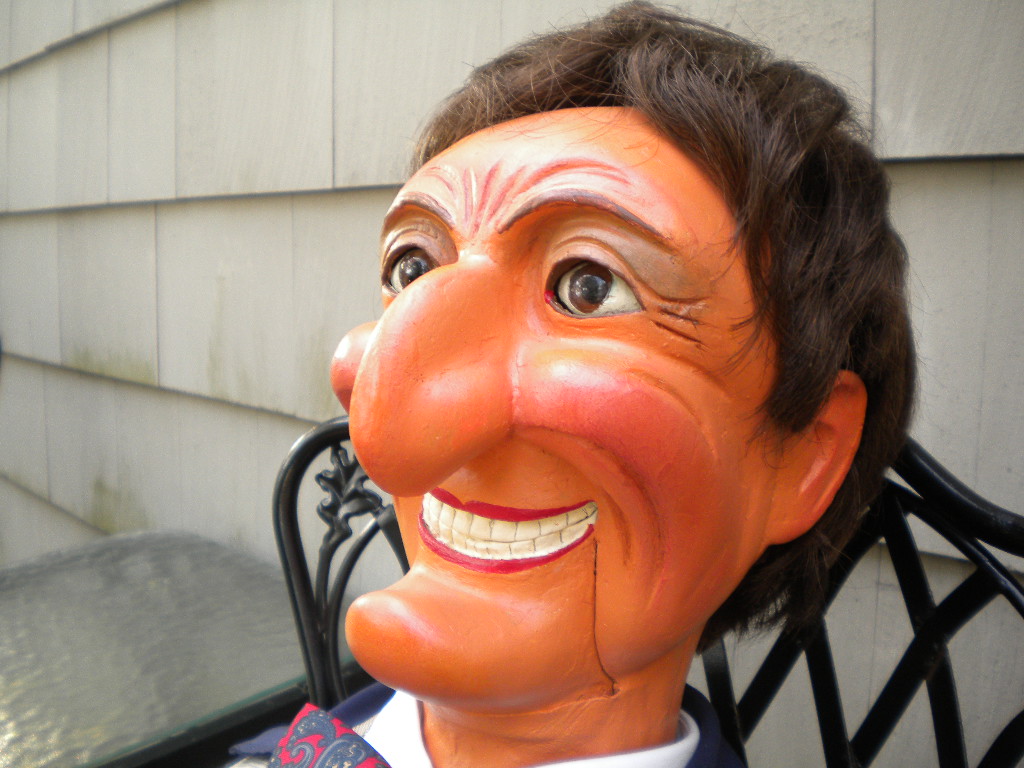
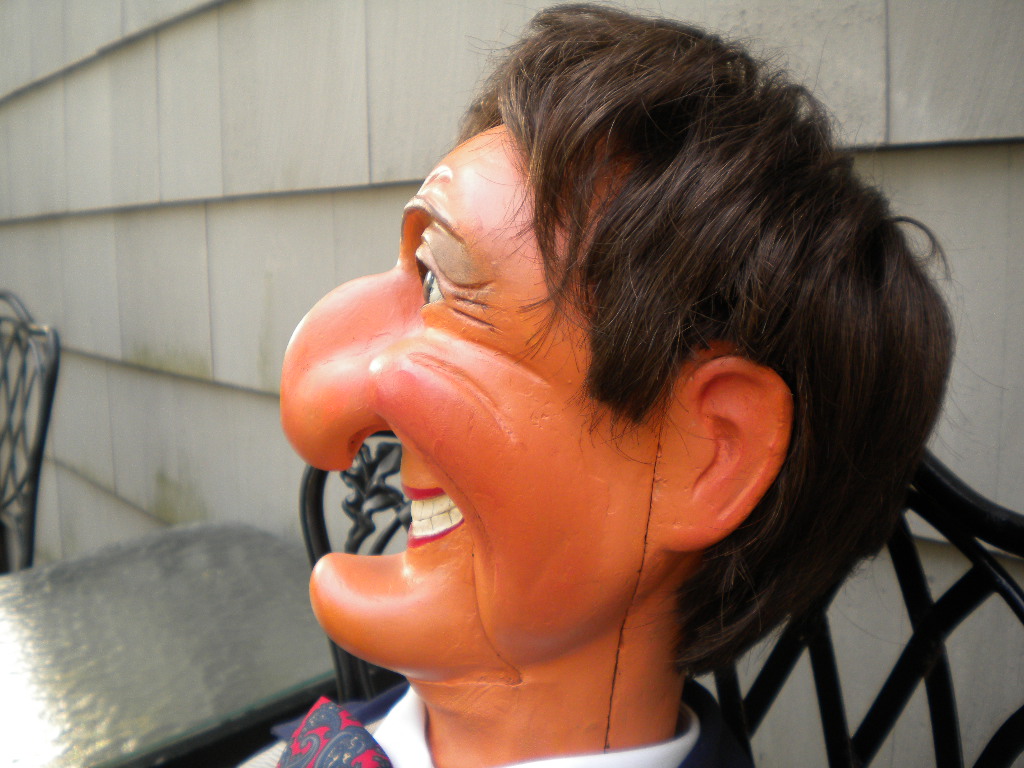
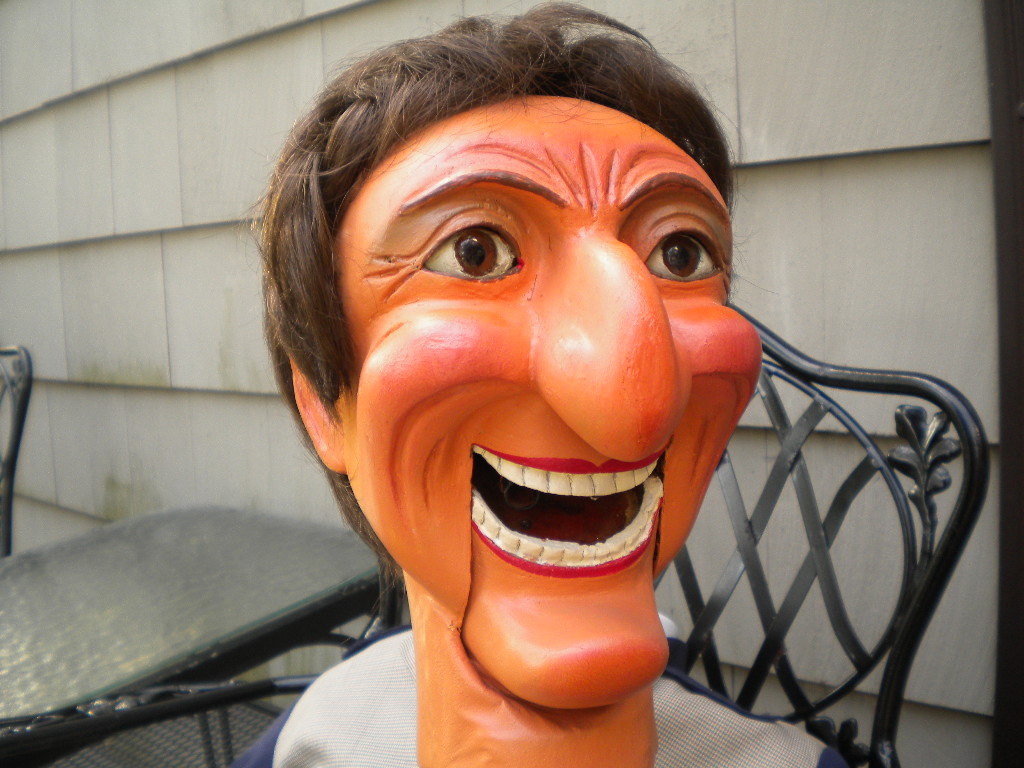
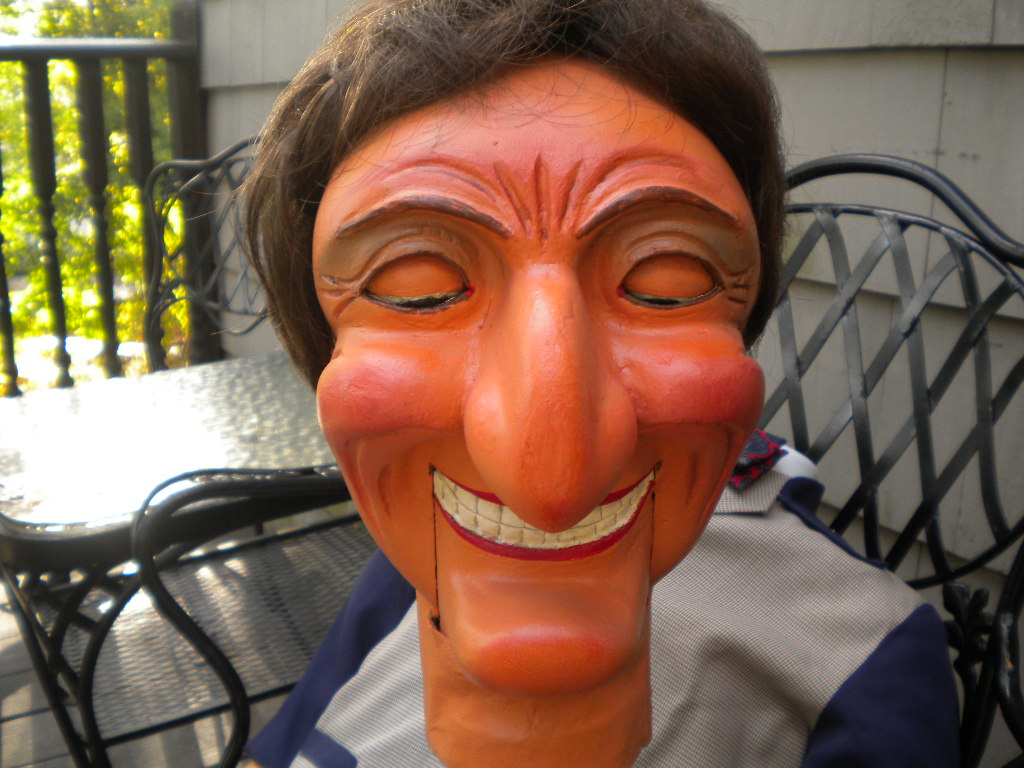
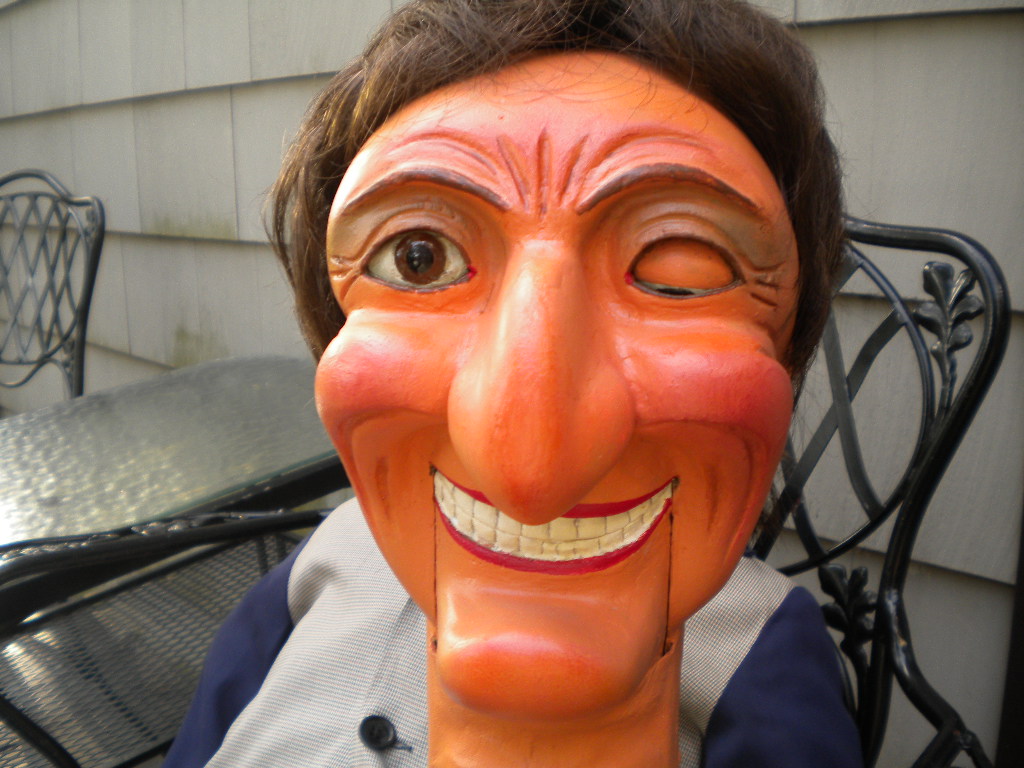
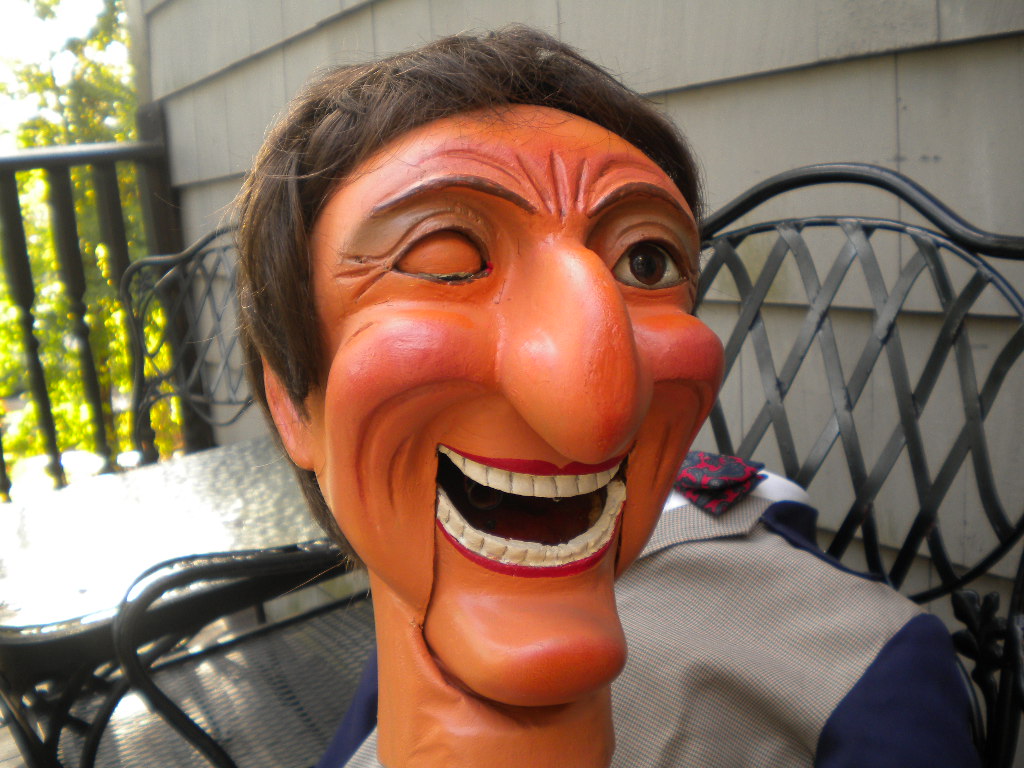
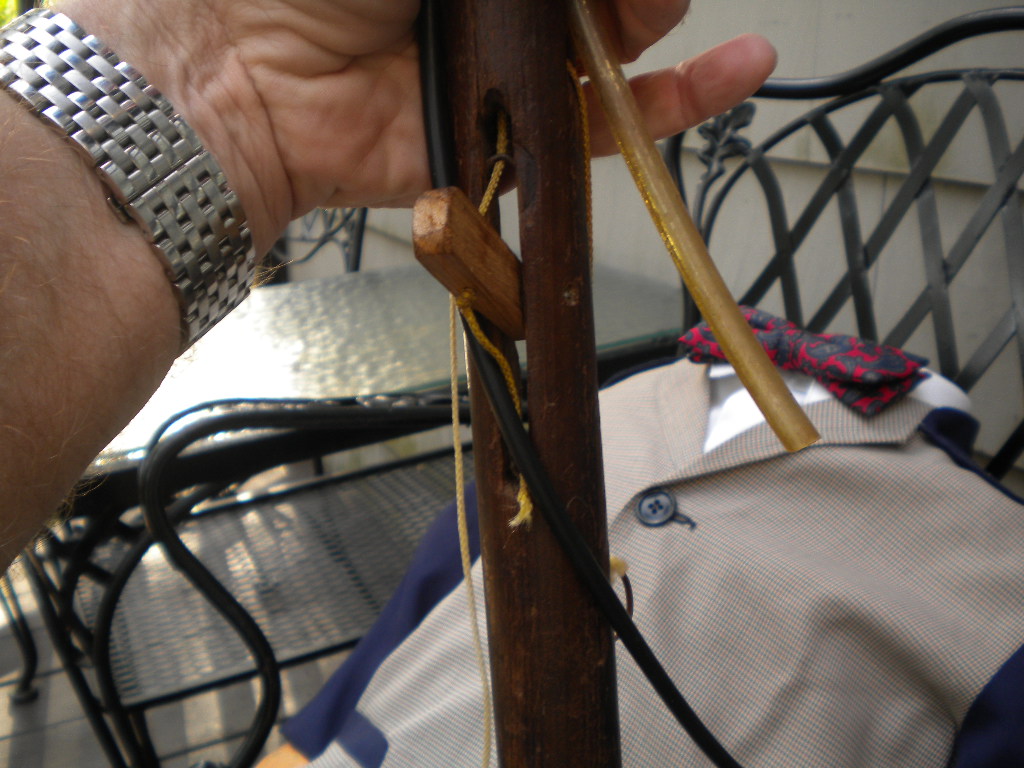
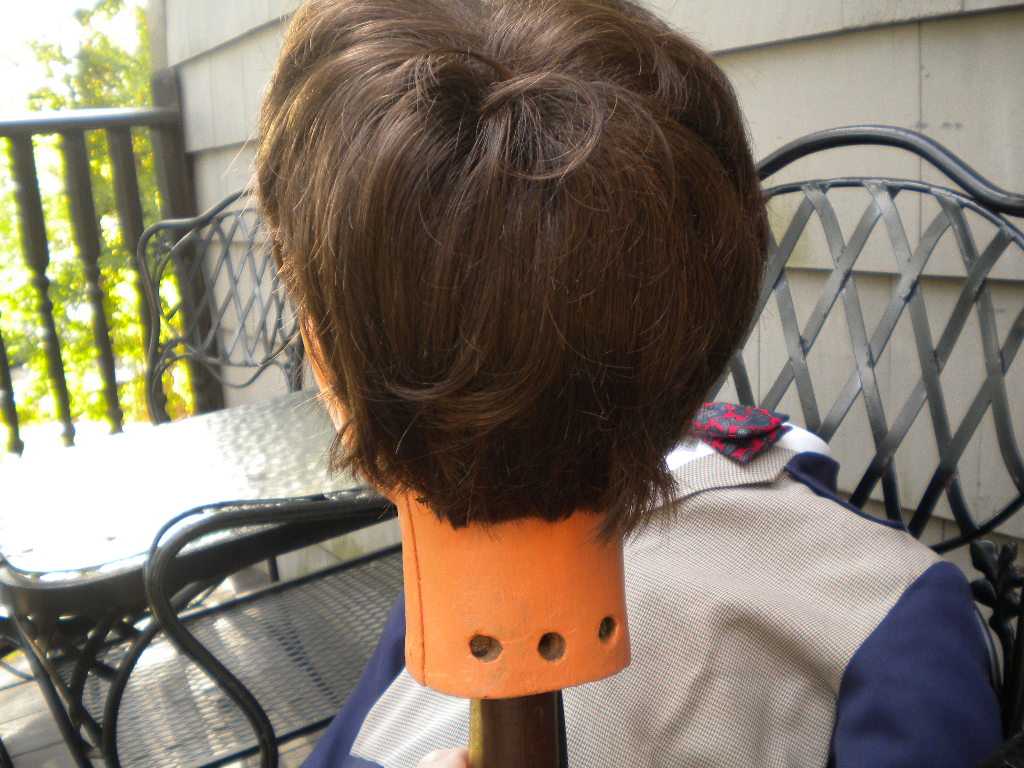
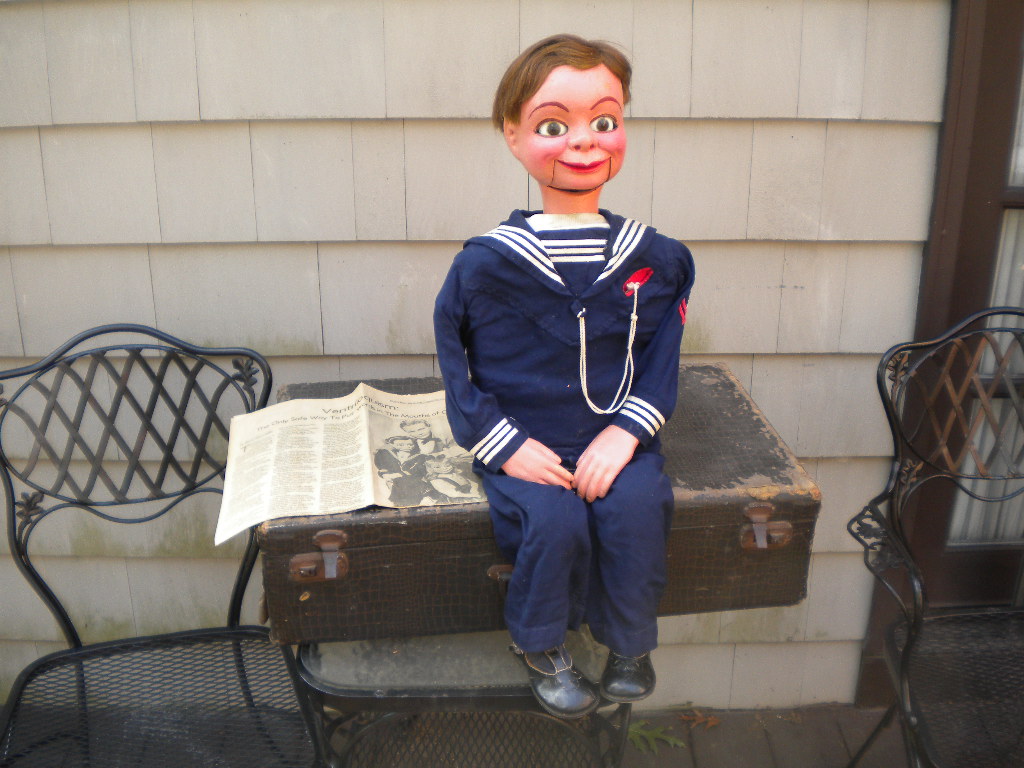
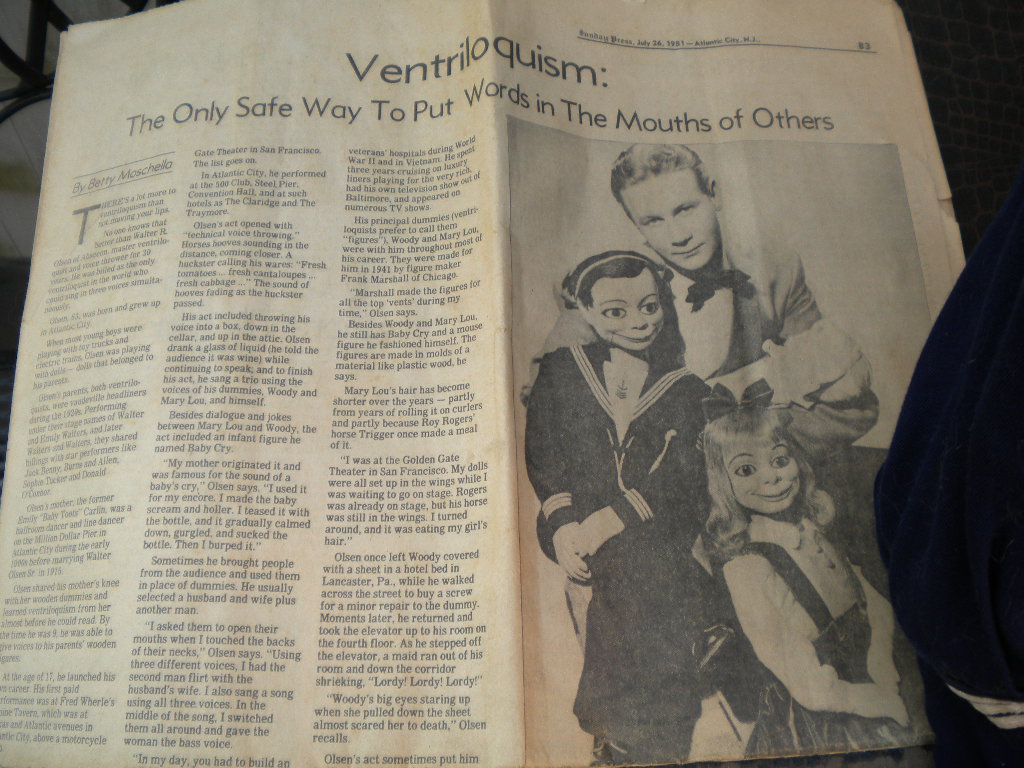
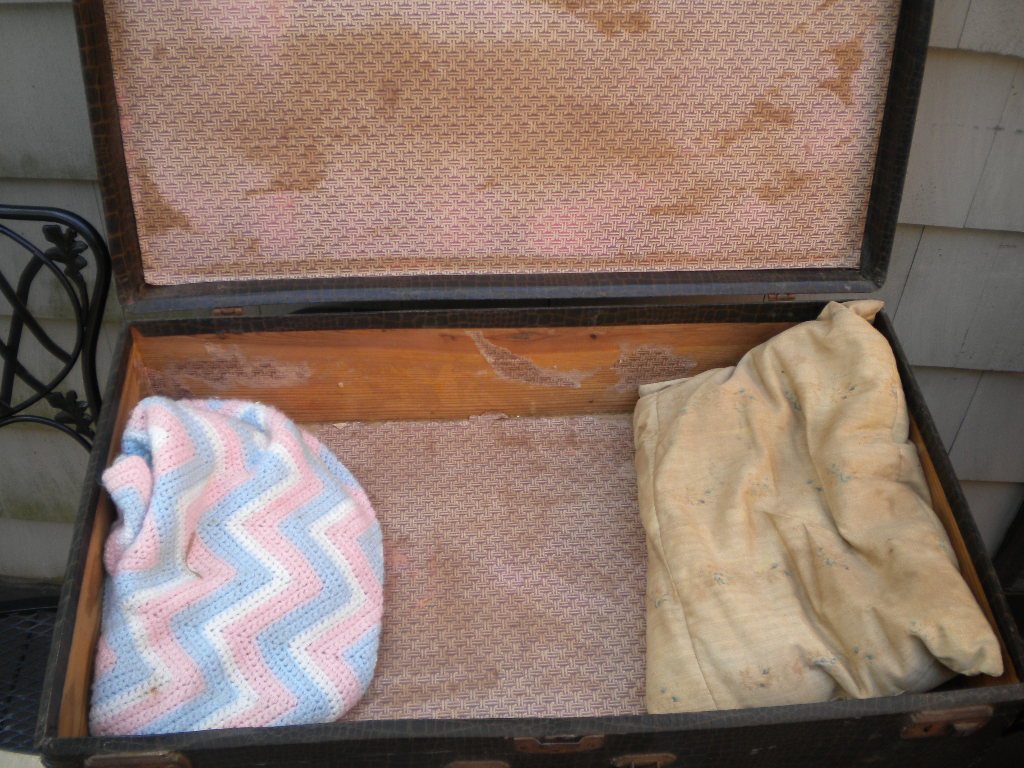
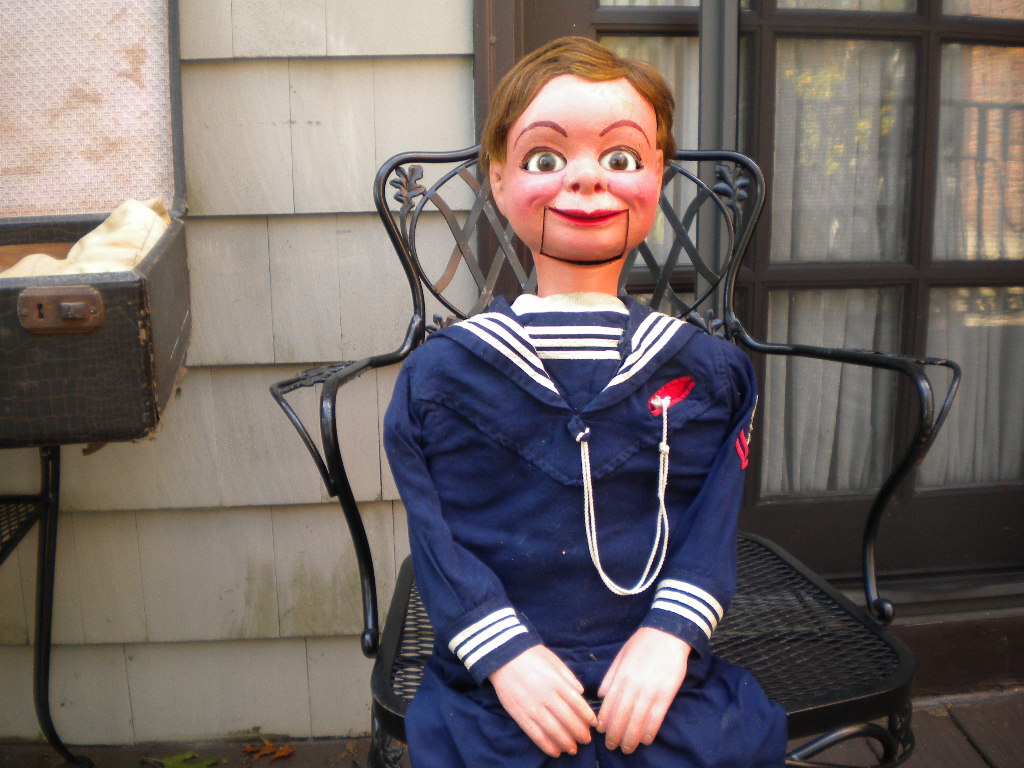
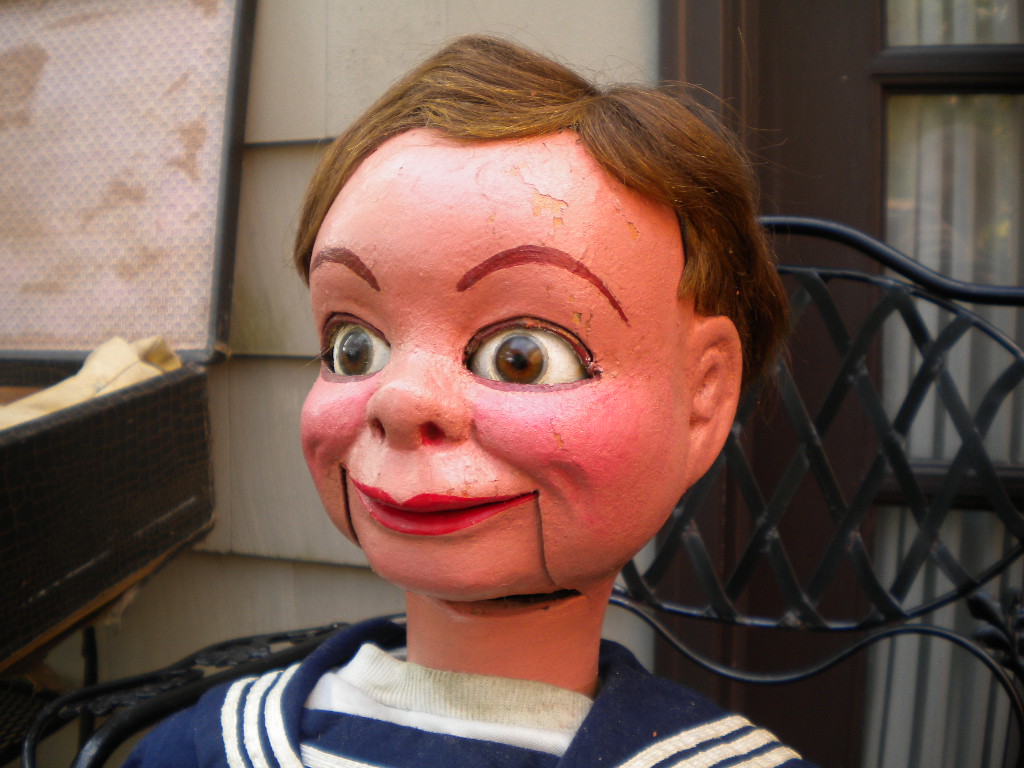
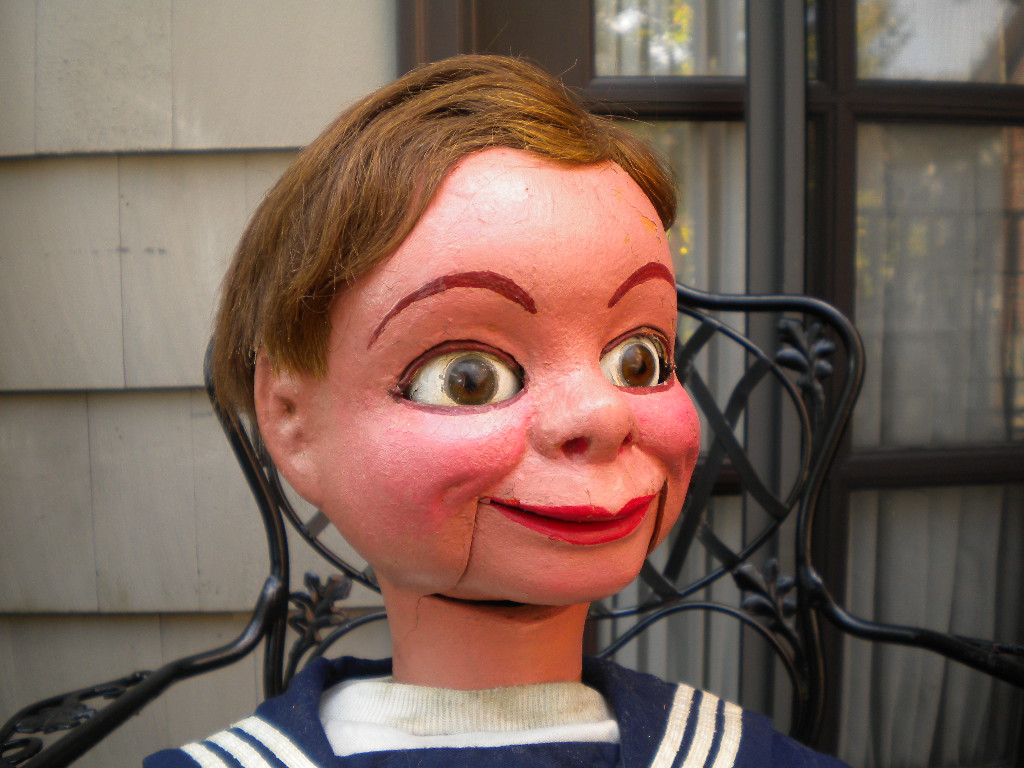
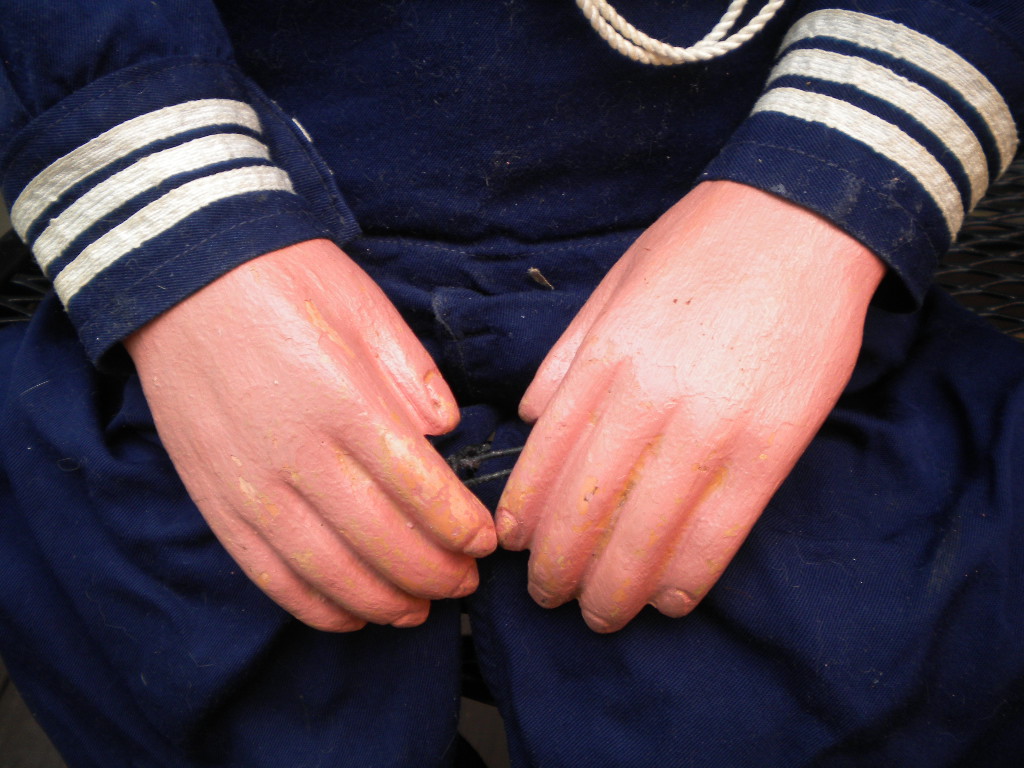
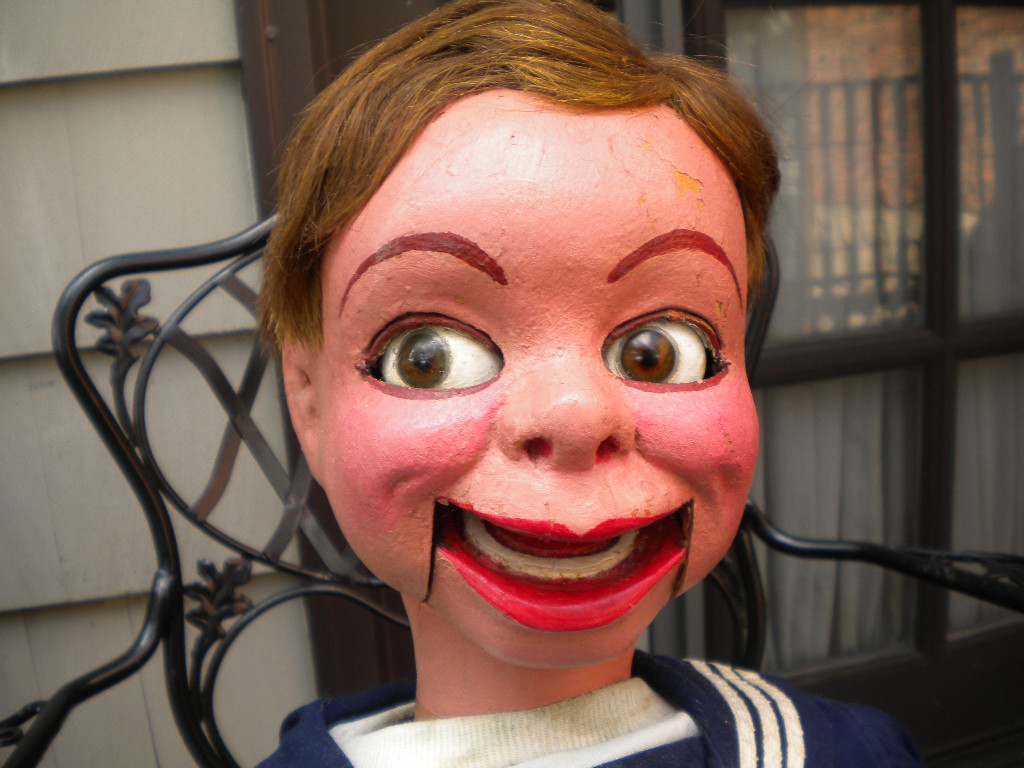
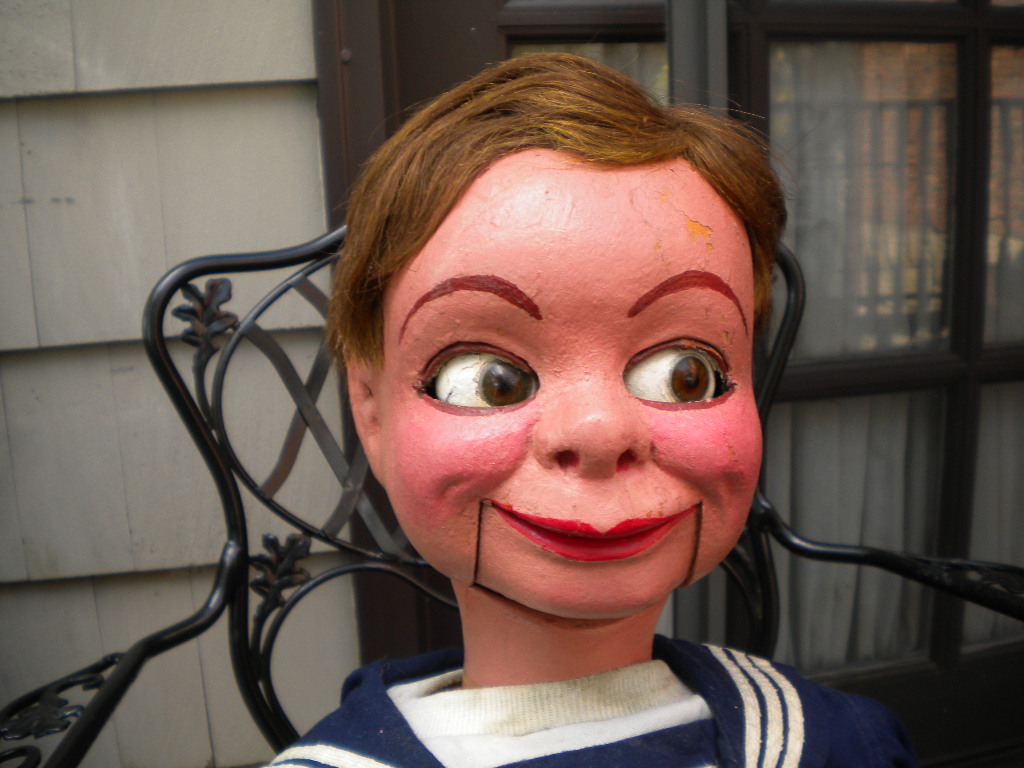
Woody As Used by Walter Olsen 13 photographs
- Movements
- slot jaw / moving mouth; self-centering eyes; winkers; head stick
Recorded owner Ventriloquist Central Collection; Walter Olsen the Ventriloquist; Walter Walters Jr. named as stated on the source page when it was written — not current ownership
A Tiny 8 photographs
- Size
- 25"
- Movements
- slot jaw / moving mouth; self-centering eyes; winkers
- Dates given
- 1940; 1950
Recorded owner Mr. King. He is as stated on the source page when it was written — not current ownership
From the collection pages 1 photograph
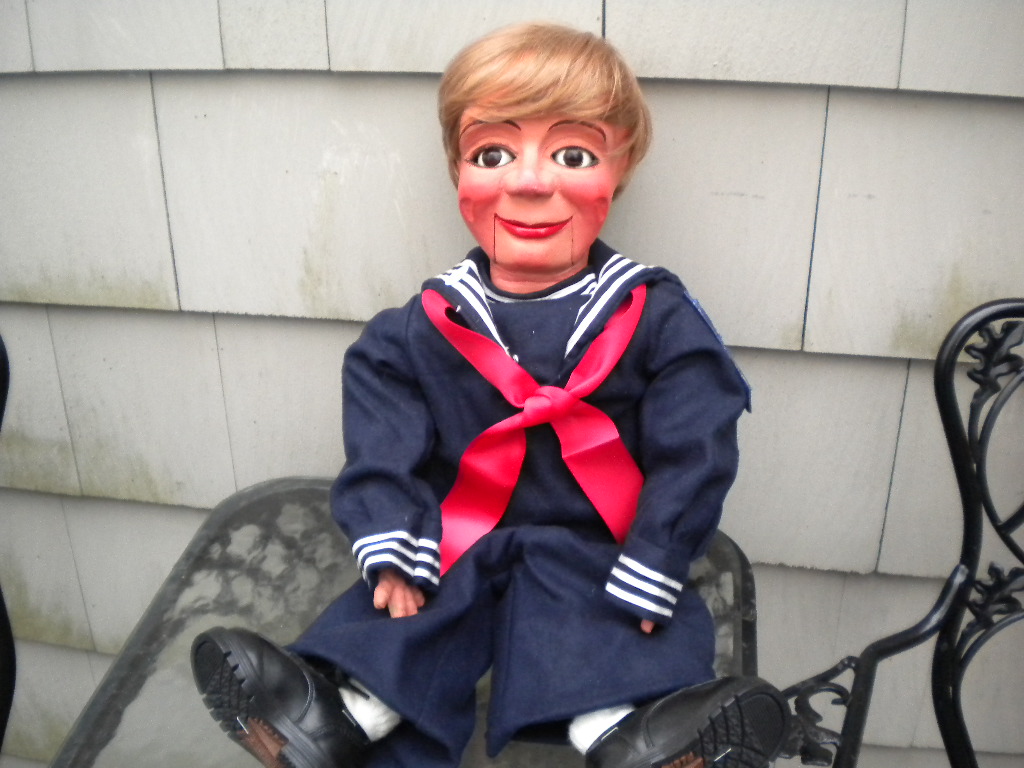
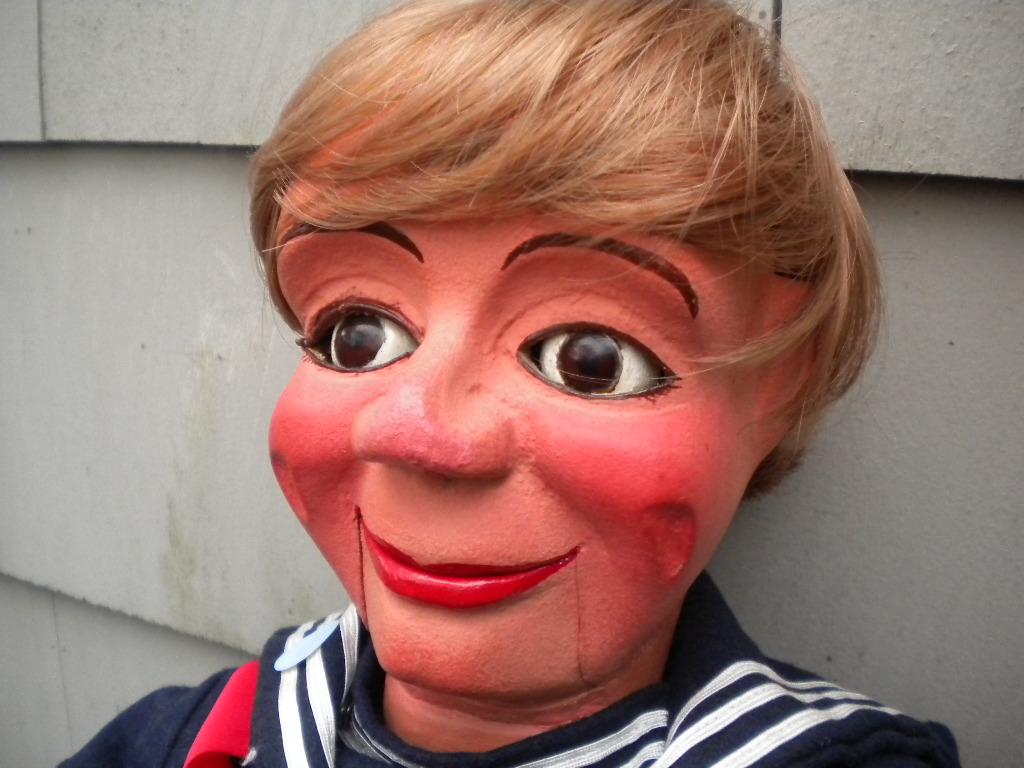
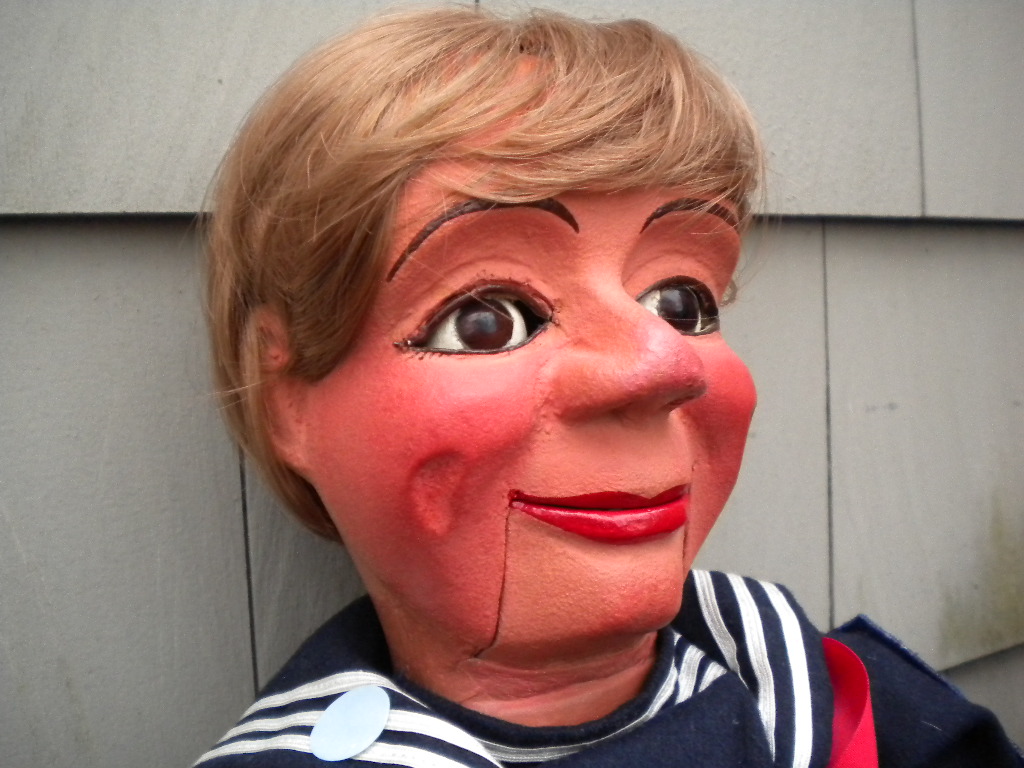
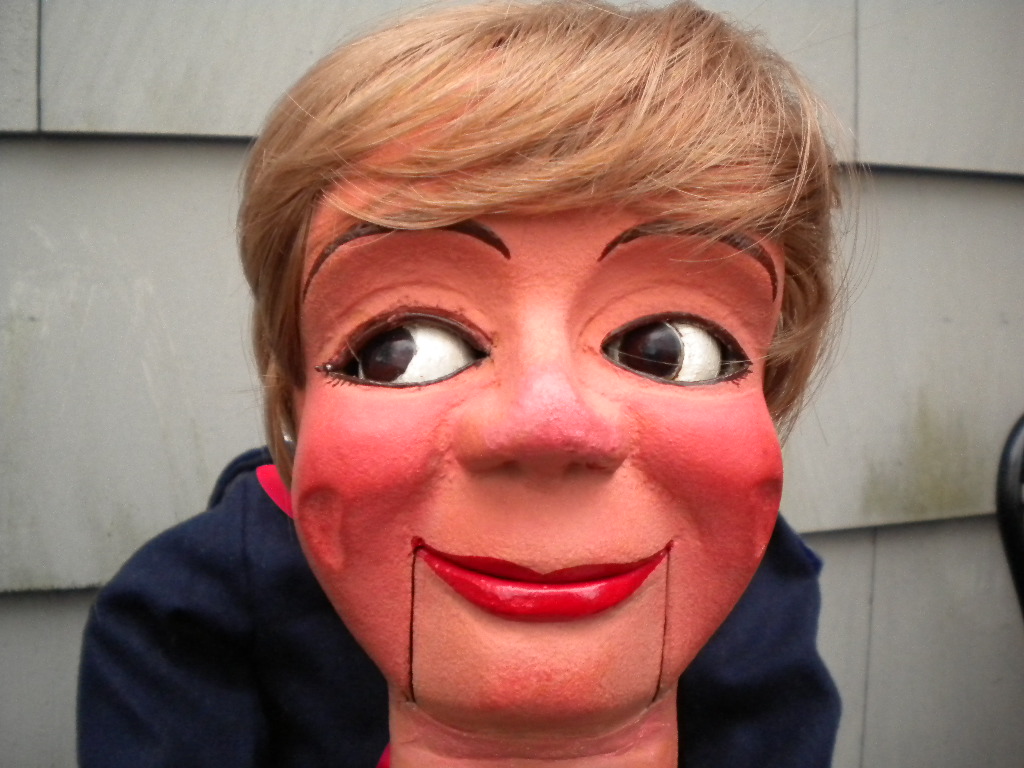
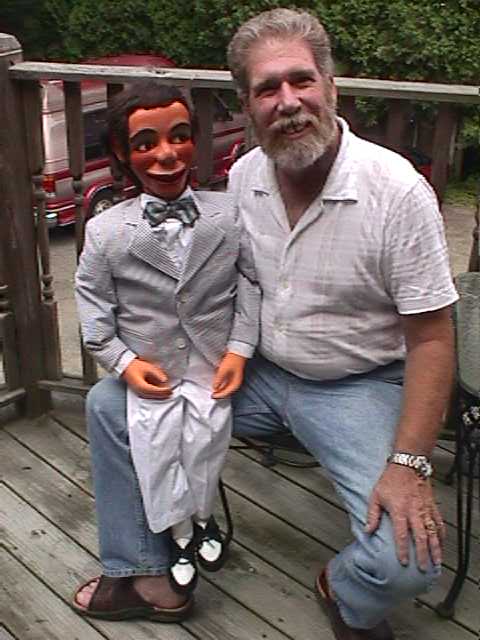
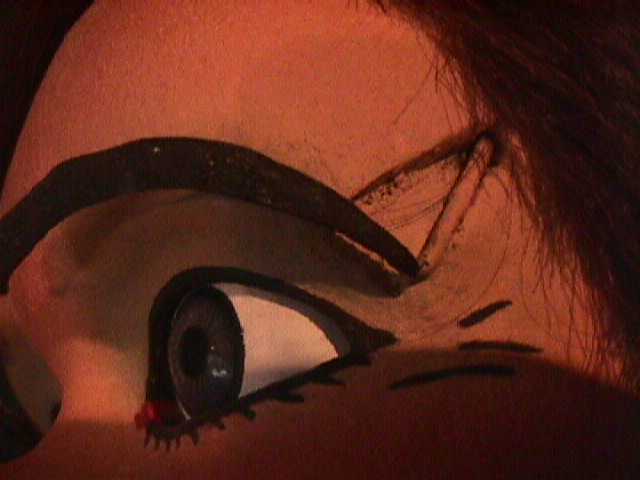
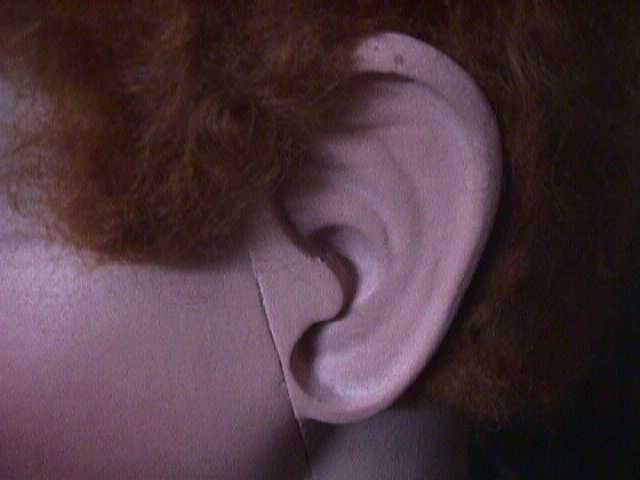
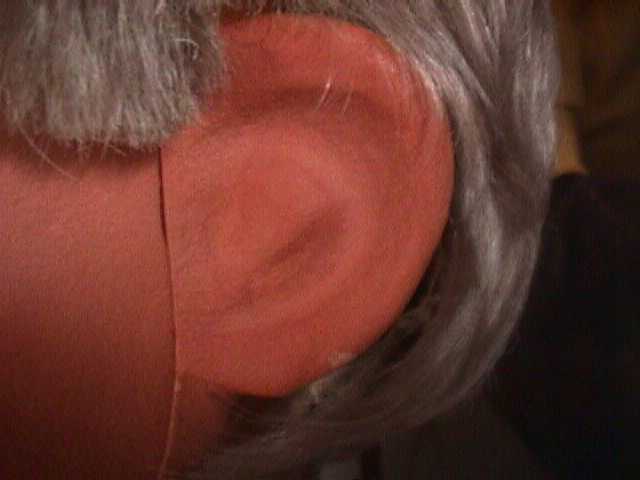
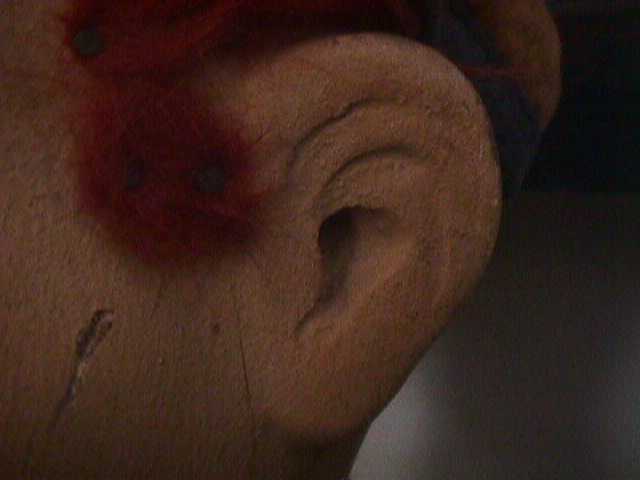
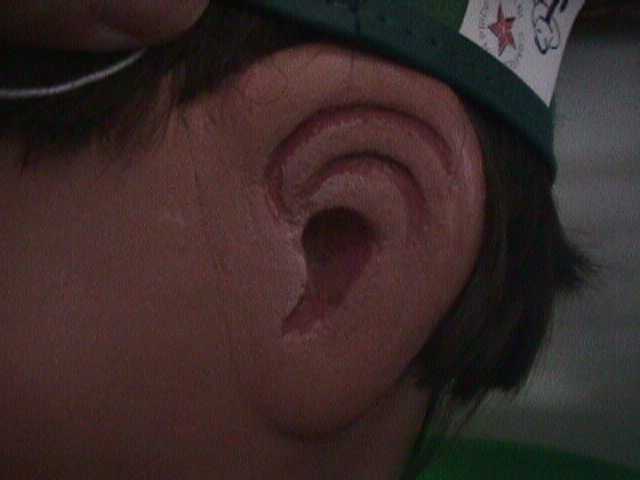
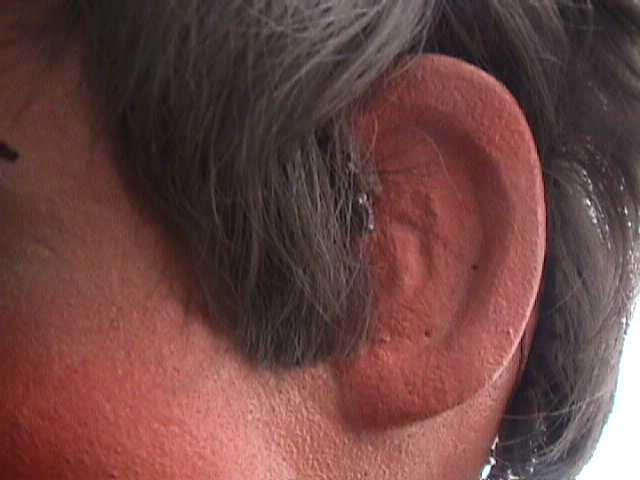
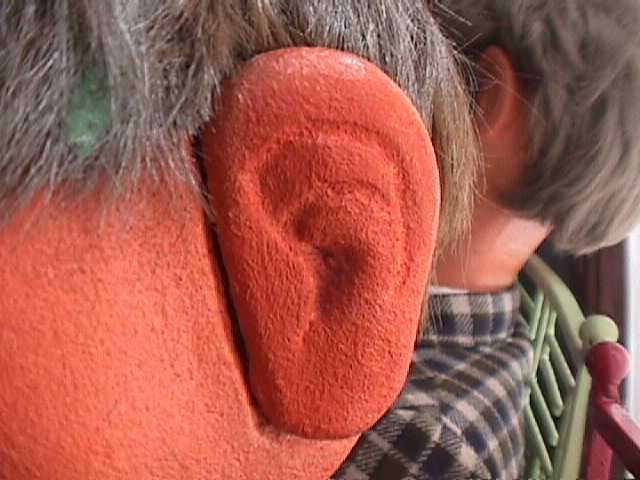
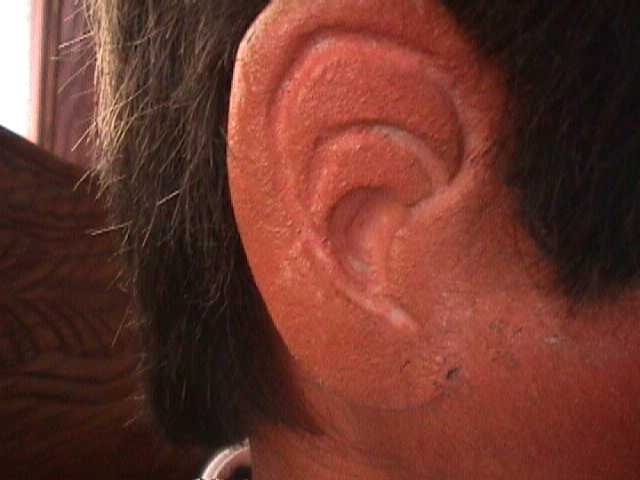
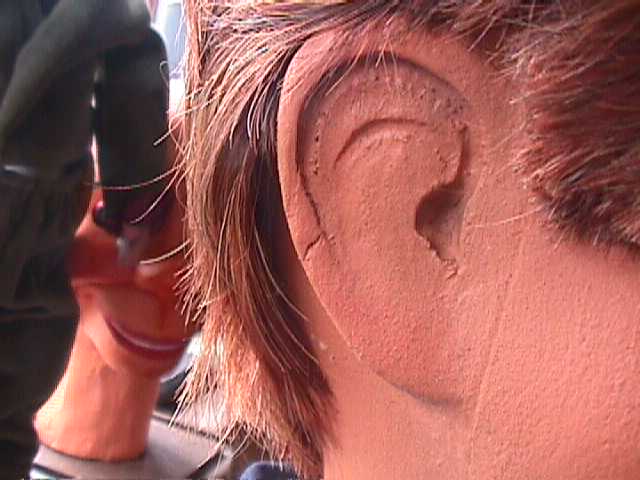
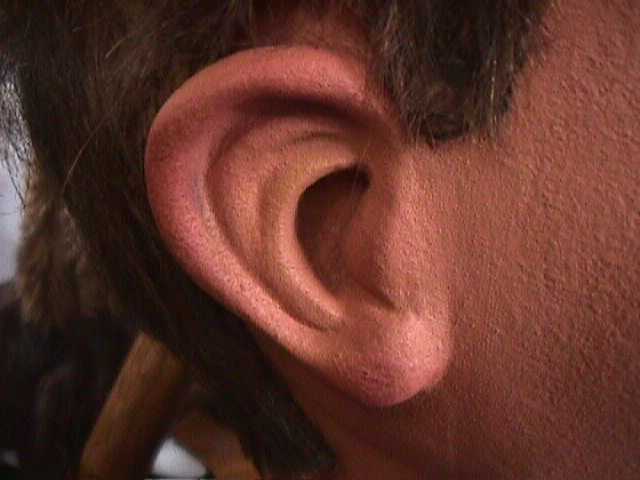
Photographs on Frank Marshall’s index and reference pages rather than on a single figure’s entry — portraits, shop material and close studies of one detail across several figures. They are not counted as objects in the register.
From the collection pages 27 photographs
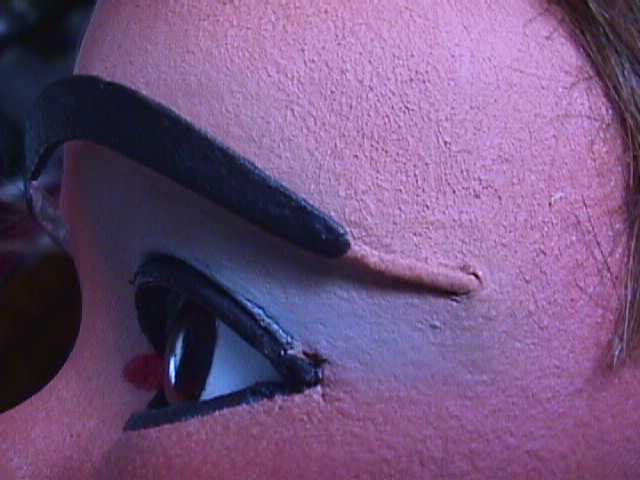
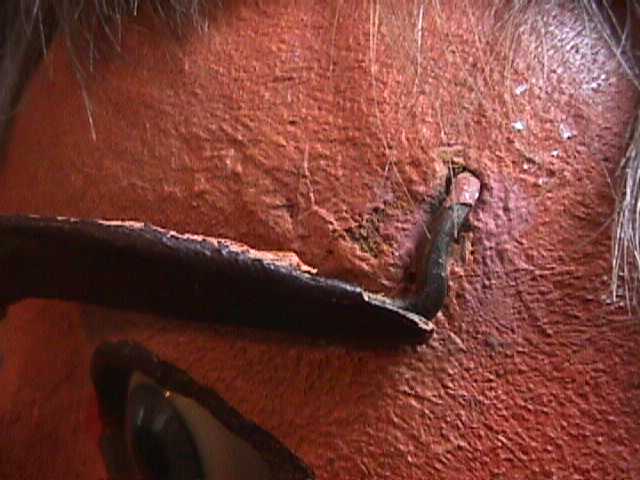
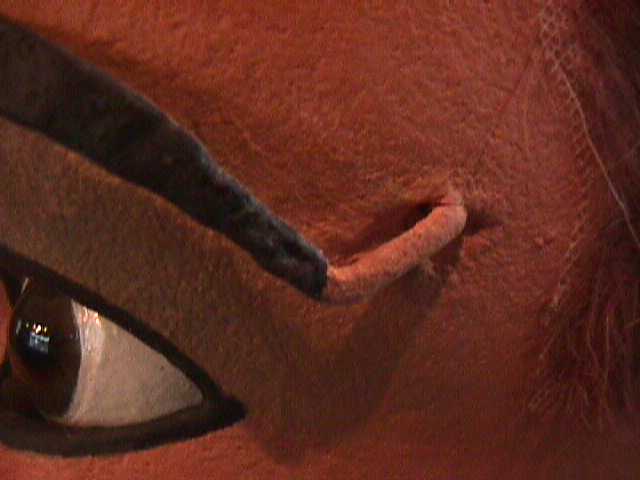
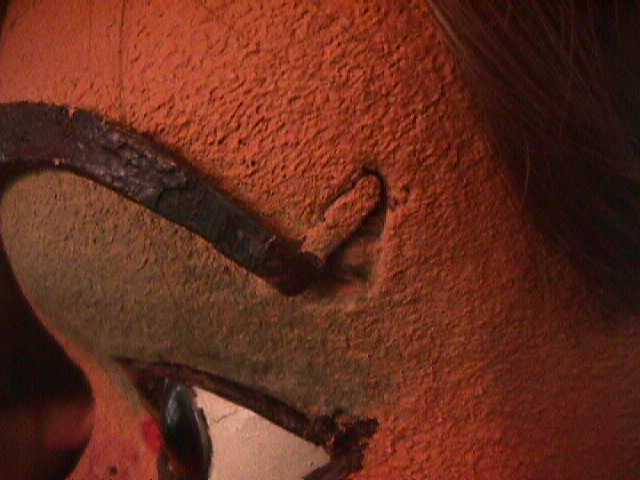
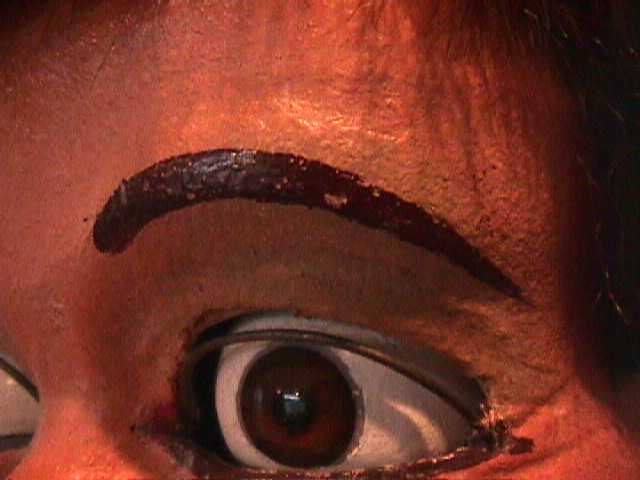
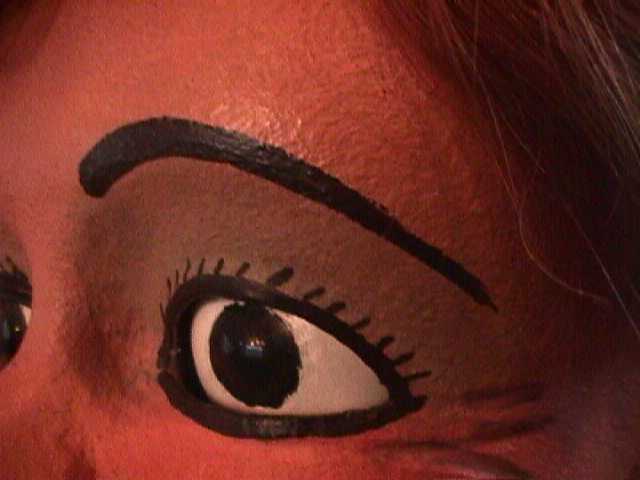
Photographs on Frank Marshall’s index and reference pages rather than on a single figure’s entry — portraits, shop material and close studies of one detail across several figures. They are not counted as objects in the register.
Sources
- Ventriloquist Central, "History of Ventriloquism" — Marshall timeline
- Bob Isaacson, "Frank Marshall," Ventriloquist Central
- Jimmy Vee, firsthand — from his own collection
- Dan Willinger, Ventriloquist Central Blog — the 1931 catalog
- Frank Marshall's 1931 "Price List of Marshall Products," photographed in the 2015 Willinger Collection auction
- Ventriloquist Central Blog — the marionette line
- "McCarthy Act Rests on Old Art," Evening Star (Washington, D.C.), Oct 17, 1937 — Library of Congress, Chronicling America
- Ventriloquist Central Blog — the 1947 Railway Express invoice
- Bob Isaacson, via Ventriloquist Central Blog — 192 N. Clark St., 1950–1954
- Frank Marshall's advertisement, IBV Directory of Ventriloquists, August 1953 — scanned document, Jimmy Vee collection
- Ventriloquist Central Blog — the business cards in the mouth
- Ventriloquist Central Blog — why original-paint heads stay closed
- Ventriloquist Central Blog — the signed mouth palate
- Ventriloquist Central Blog — the matt finish
- Ventriloquist Central Blog — "the Marshall orange"
- Ventriloquist Central Blog — the wigs
- Ventriloquist Central Blog — levers and pull rings
- Dan Willinger, Ventriloquist Central Blog — the carving and the man
- Willinger Collection auction, Session 1, Lot 43 — a Nosey dated inside the head, and the Jerry Mahoney connection
- Ventriloquist Central — the estate and Brian Hamilton
- Willinger Collection auction, Session 1, Lot 86 — the unfinished figure
- Willinger Collection auction, Session 2, Lot 116 and following — the workshop lots
- Clinton Detweiler, Mr. D's blog — the August 1938 Popular Mechanics spread
- The Oracle (International Brotherhood of Ventriloquists), 1950–1956 issues — member roll, backstage notes, and the Channel 11 series
- Dialogue Magazine, Spring 1998 — scanned document, Jimmy Vee collection
- Newsy Vents No. 51 — scanned document, Jimmy Vee collection; photo credited to Gilbert Arevalo