Figure maker
J.C. Turner
The figure almost every American ventriloquist started on in the 1940s and 1950s. Turner was to that generation roughly what Maher Studios became to the next.
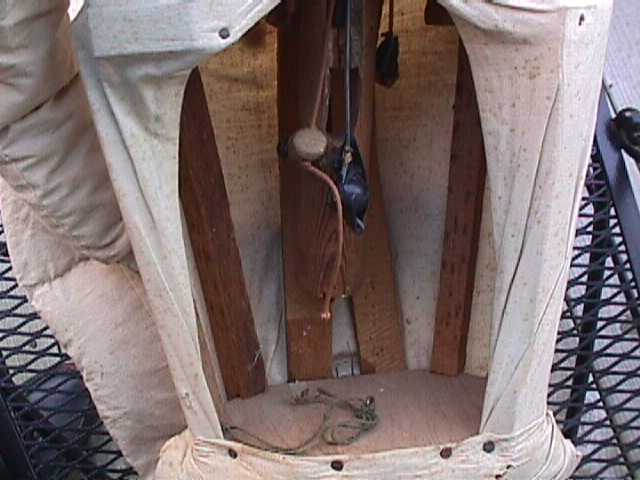
Turner built through the 1940s and 1950s and sold through magic shops across the country and through the Abbott's Magic catalog. He was prolific by design: parts were pre-cut, assembled in an assembly-line fashion and painted, and a figure could be finished in a couple of days. The material was pine, with the signature wood and leather construction and marble eyes.
That volume is why he turns up in other makers' origin stories. Jack Coats's first good figure was a Turner bought from Abbott's, and the influence is visible in Coats's earliest surviving carving. The site's maker directory credits Turner with Elmer Jones, made in Salinas, California for Harry Lester, and a figure for Maxine, otherwise Lillian Dawes.
His first name
The collection index labels this directory J.C. Turner. The same website's figure-maker directory heads his entry JOHN TURNER. Foy Brown, writing privately in 1988, called him Jack Turner. Three names, one maker, no evidence in this corpus for choosing between them. We use the collection's own label and record the other two.
The mechanics
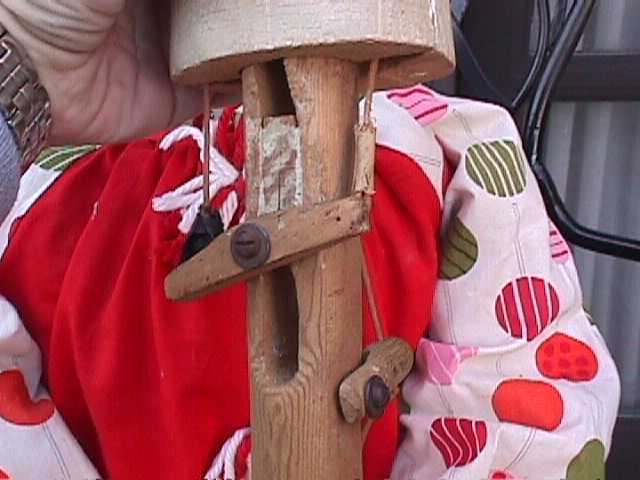
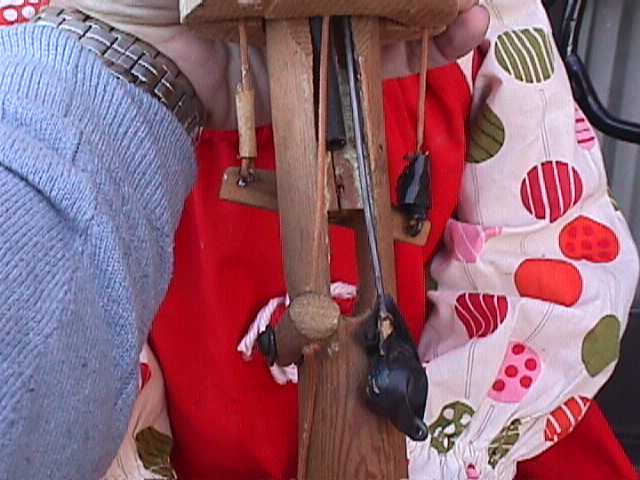
The standard Turner has a slot jaw and side-to-side moving eyes. Better ones add raising eyebrows, a winking eye or a spitter. One rare example carries a smiling upper lip built with the metal exposed and then painted over — a design the site says Turner took from Ken Spencer.
Contested
Attribution in this field is recorded, not settled. Where the sources disagree we print the disagreement and stop.
Whose figure is Terry Bennett's Red Flannels?
Both attributions circulate, and the likeliest reading is that both are right about different objects. The collection held Bennett's original Red Flannels, a J.C. Turner figure, and separately a Frank Marshall figure Bennett is said to have bought around 1950, the Marshall itself dating from about 1938. One performer, one character name, two physical figures — the same shape as Skinny Dugan, as Archie, and possibly as Charlie McCarthy.
The figures
16 photographs across 2 cataloged objects. Each object is one entry in the register — where a character name covers two physical figures, they stay two entries, because the character outlives the object more often than the record admits.
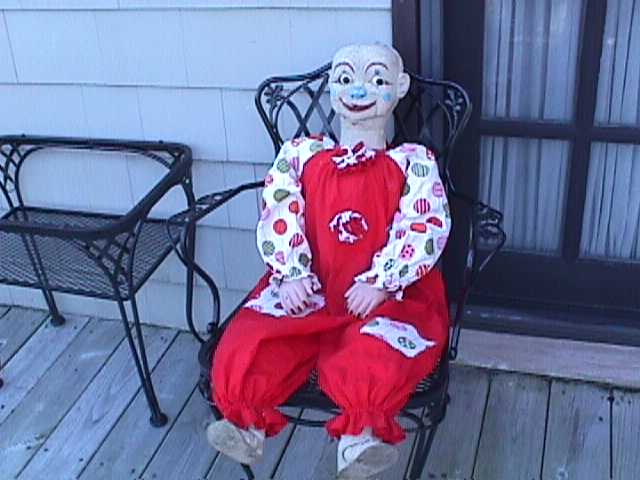
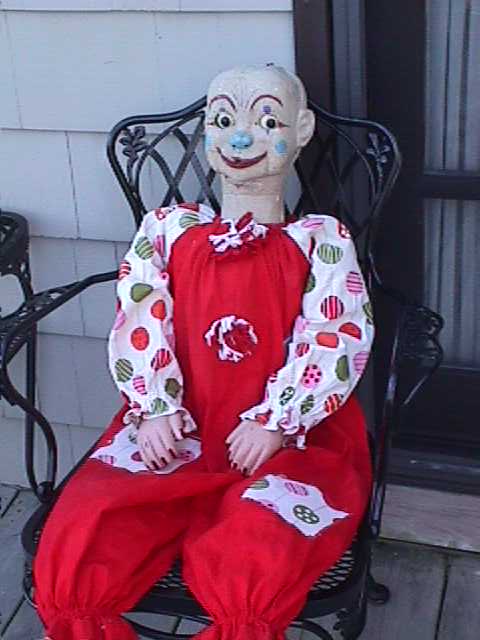
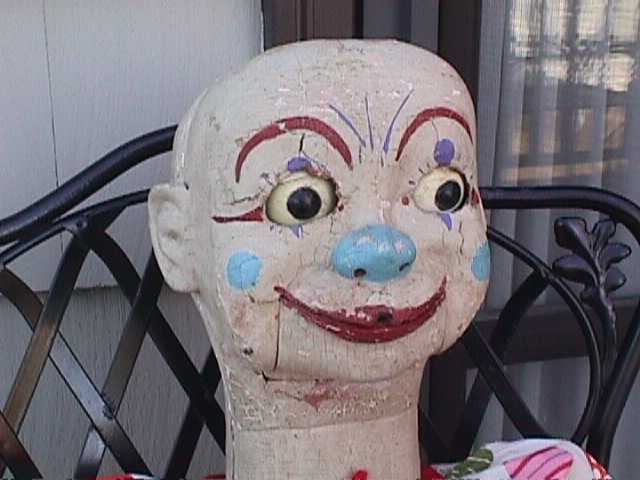
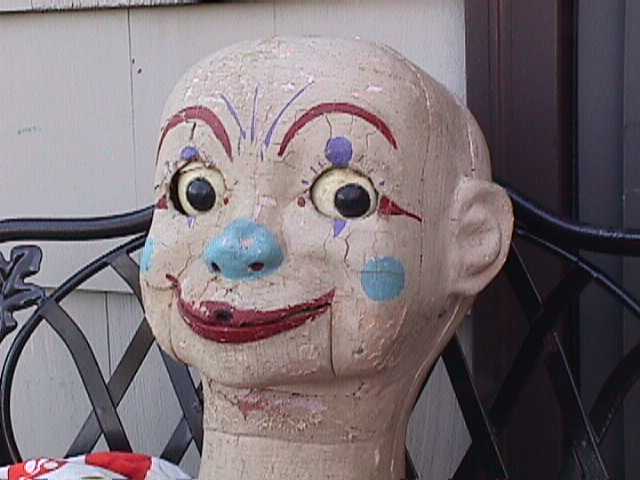
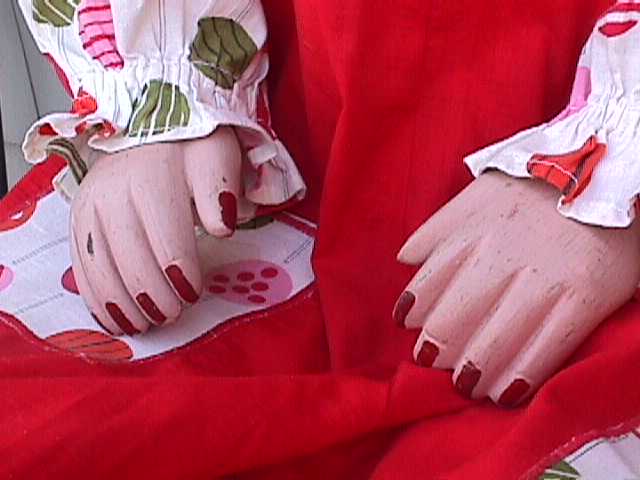
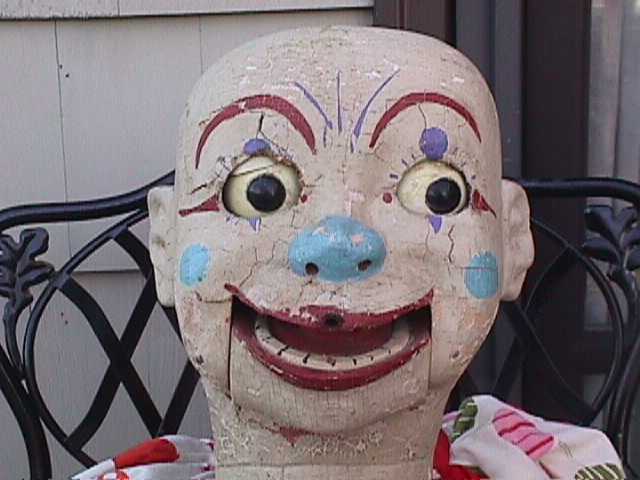
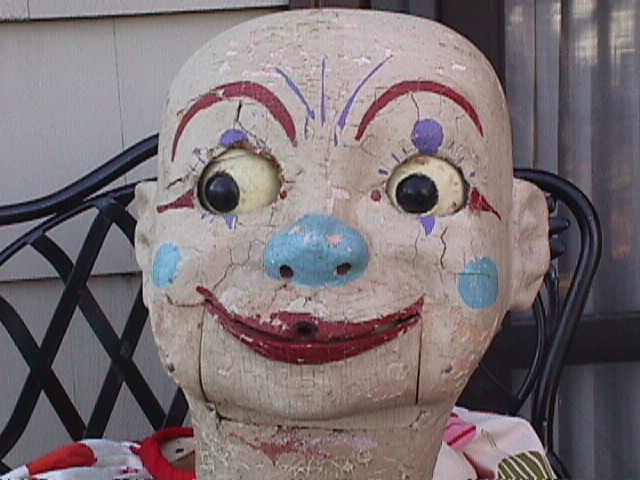
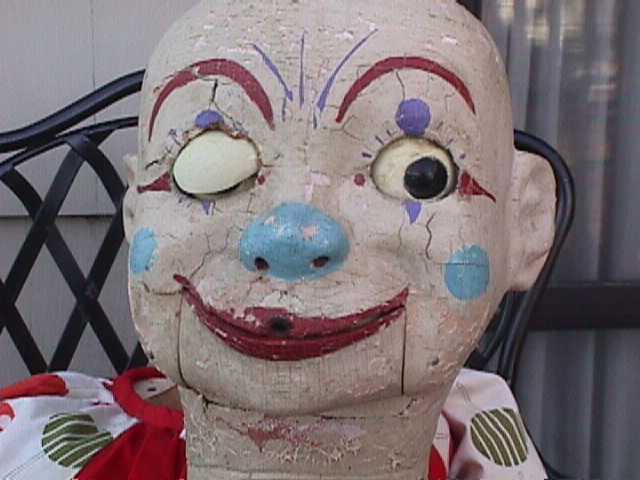
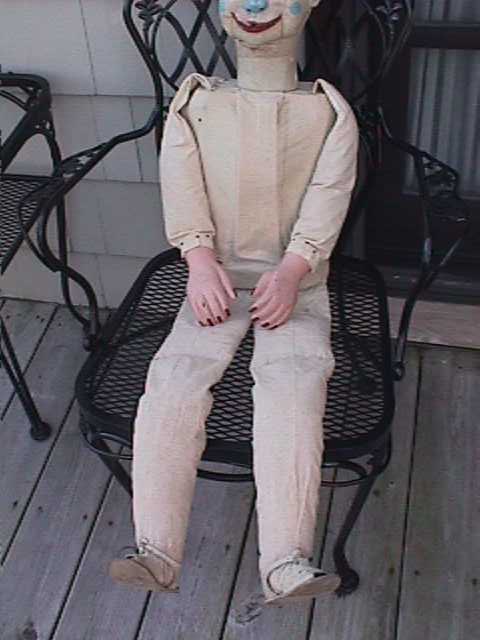
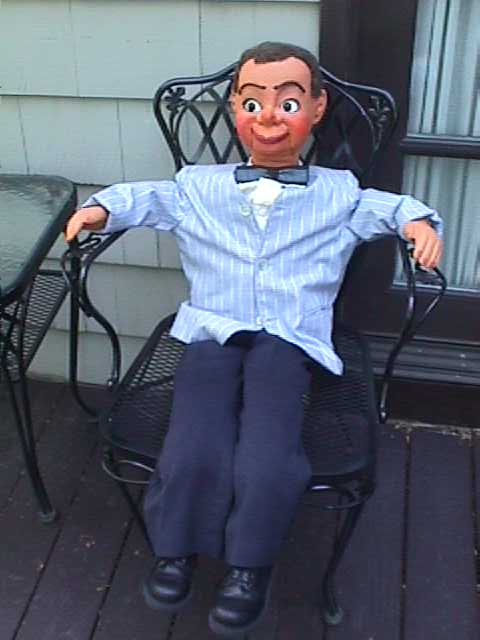
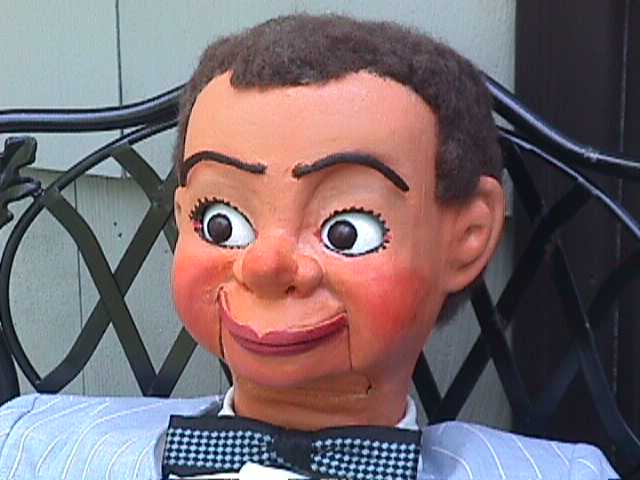
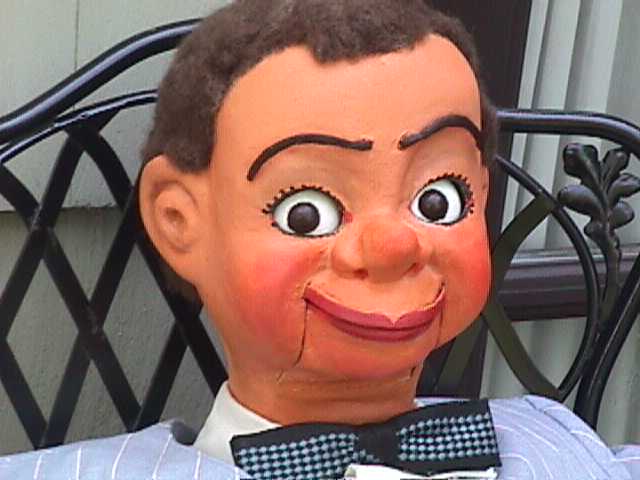
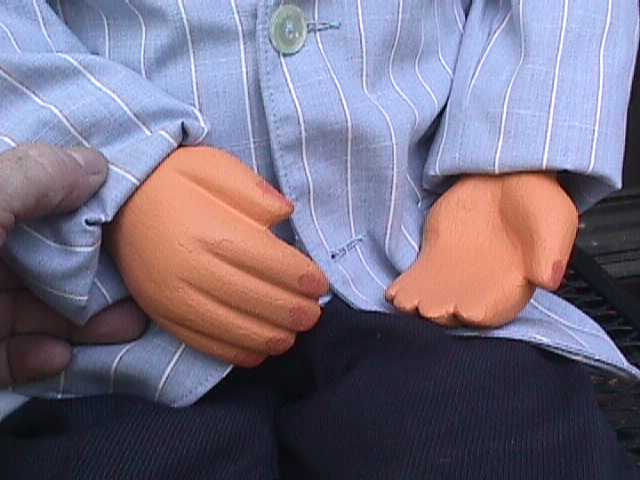
Special J C 4 photographs
- Size
- 42"
- Movements
- slot jaw / moving mouth; side-to-side eyes; raising eyebrows
Recorded owner Ventriloquist Central Collection as stated on the source page when it was written — not current ownership
Clown and/or Folk Art 12 photographs
- Size
- 40"
- Materials
- carved wood
- Movements
- slot jaw / moving mouth; side-to-side eyes; spitter
- Dates given
- 1940; 1960